By Gabriel Ameh
📍Global | Media Report
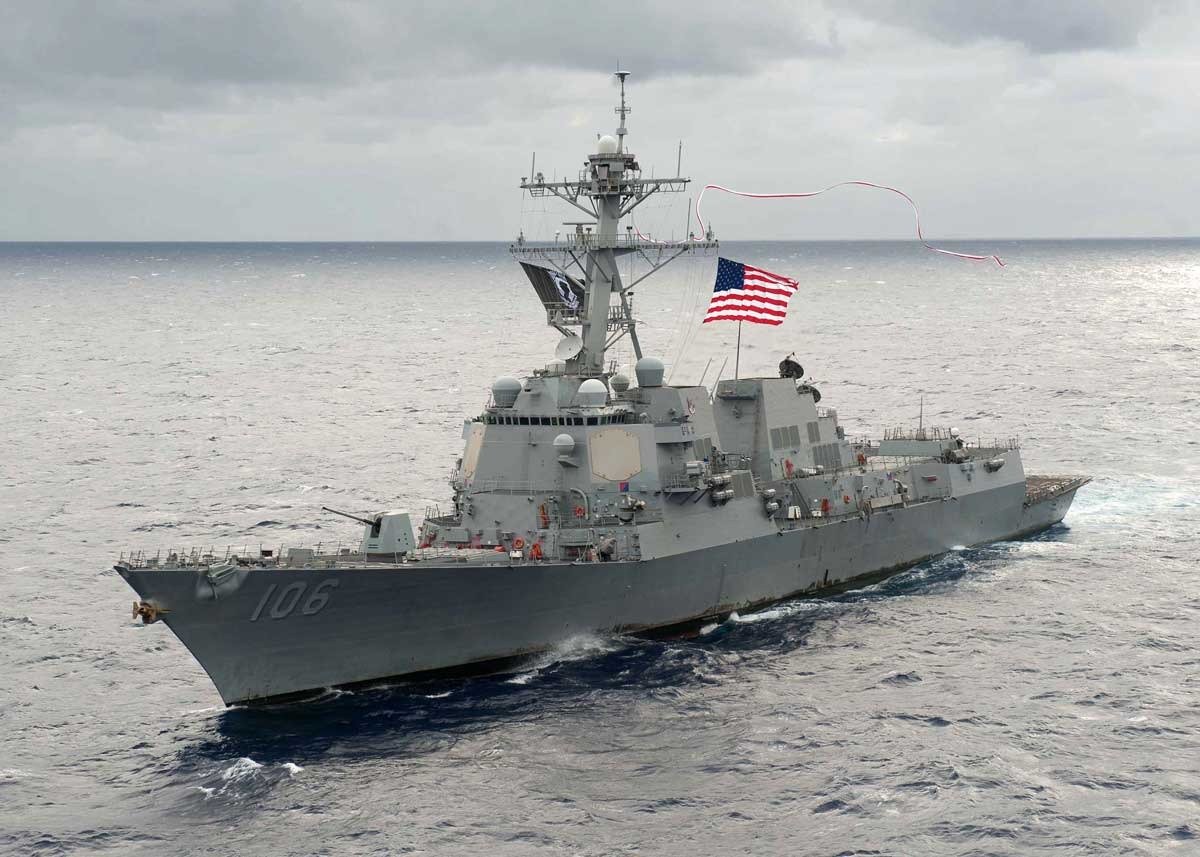
Shipping disruptions are intensifying across Asia and the Middle East as rising tensions around the Strait of Hormuz begin to impact global trade routes and energy supply chains.
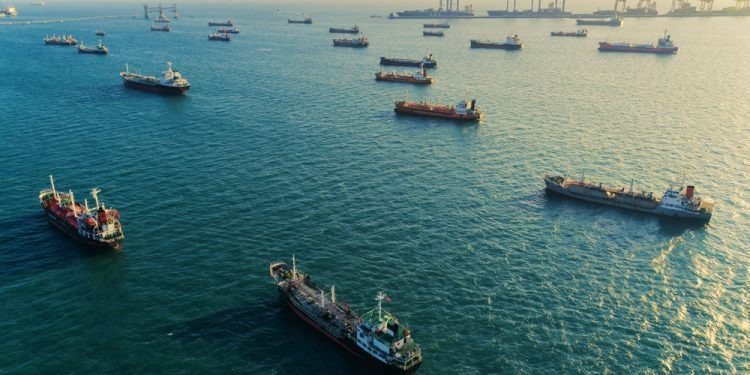
According to reports by CNBC, congestion is building up in key maritime corridors, with Singapore’s highly automated port the world’s largest transshipment hub struggling to manage a surge in vessel traffic. The bottleneck is linked to uncertainties surrounding safe passage through the Strait of Hormuz, a critical chokepoint for global energy shipments.
The situation is further complicated by growing geopolitical tensions. China is reportedly increasing its military presence in the region, with warships from its base in Djibouti moving toward Oman waters. The move is seen as an effort to secure maritime access for its oil tankers amid fears of potential blockades.
There are also indications of planned joint military drills involving China, Iran, and Russia in nearby waters a development that could significantly reshape the security dynamics of the region.
Meanwhile, former U.S. President Donald Trump has issued fresh warnings, threatening a 50 percent tariff on Chinese goods over allegations of continued cargo shipments to Tehran. These shipments are reportedly linked to military-grade drone technology, further escalating tensions between Washington and Beijing.
The Strait of Hormuz remains a vital economic artery for China, with approximately 40 percent of its oil and 50 percent of its gas imports sourced from Gulf states. Any prolonged disruption could have far-reaching consequences for China’s economy and its population of over 1.4 billion people.
Analysts warn that what began as a regional standoff involving Iran may be evolving into a broader geopolitical confrontation, with global economic stability hanging in the balance.