
By Gabriel Ameh
By Emeka Uga Lazarus | ABUJA | November 16, 2026
Education stakeholders have called on governments and school authorities to strengthen policies, enforce child protection laws and adopt urgent measures to tackle gender-based violence in schools across Nigeria.
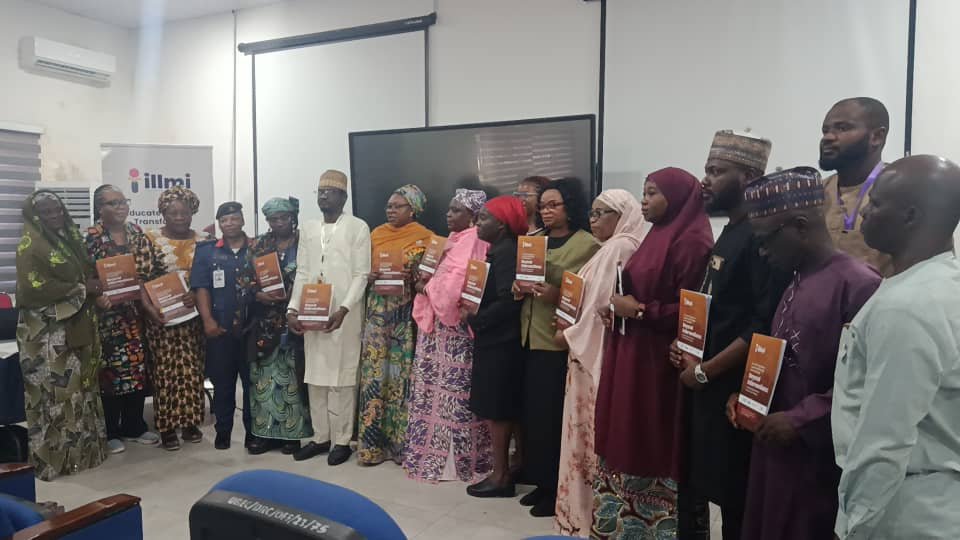
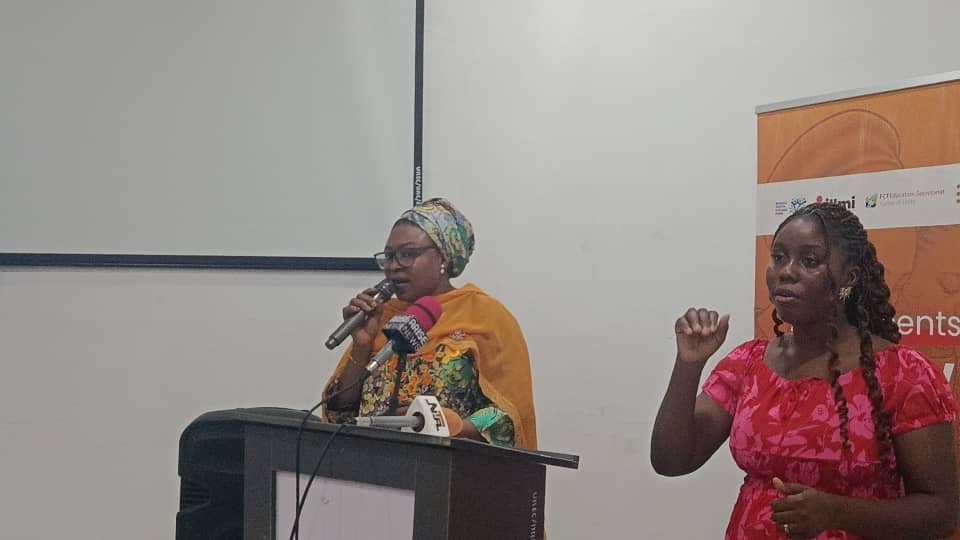
The call was made on Monday at a stakeholders’ engagement and capacity-strengthening workshop organised in Abuja by Illmi Children’s Foundation (ICF), a non-profit organisation working to improve access to education, economic empowerment and protection for marginalised communities, particularly women and girls.
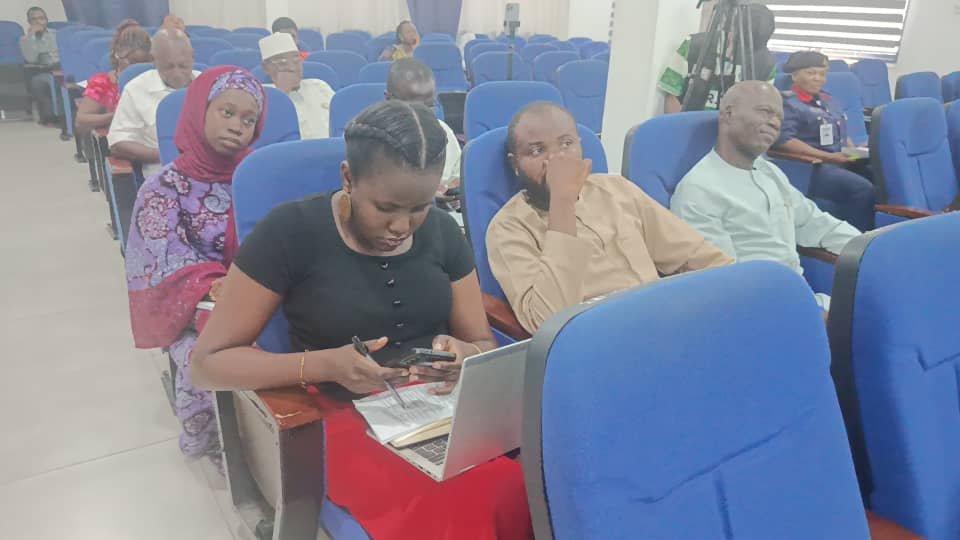
The workshop brought together teachers, parents, civil society organisations, school administrators and other relevant stakeholders to examine the growing concerns surrounding school-related gender-based violence and identify practical measures to make learning environments safer for children.
In her welcome address, the Executive Director of the foundation, Maryam Mukhtar Ali, outlined the objectives and expected outcomes of the engagement, stressing the need for deliberate action to prevent violence and protect vulnerable children in schools.
She called for stronger commitment to implementing existing laws and policies, noting that effective enforcement would help address the problem and prevent further cases of abuse.
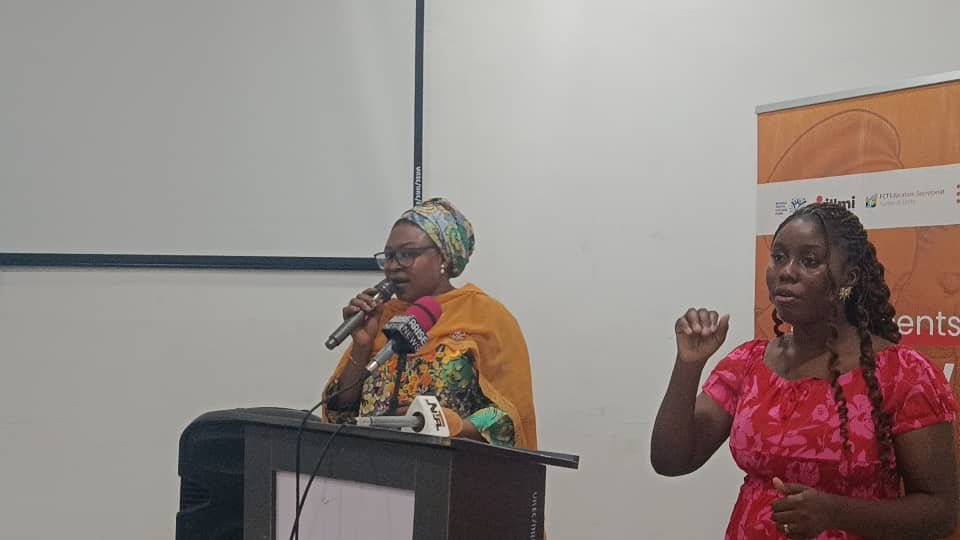
One of the guest speakers, Hajiya Ramatu Ajuji Habu, an education administrator and gender-based violence advocate from the FCT Education Secretariat, said policies on safe schools should not be regarded as the responsibility of education ministries alone.
She urged participants in leadership positions across different institutions to use their influence and authority to promote accountability and ensure that appropriate safeguards are established in schools.
Speaking on the topic, “Leadership in Action: Institutional Commitment to Safe and Protective Schools in the FCT,” Habu encouraged teachers to establish friendly and accessible communication channels with students.
She explained that creating an environment where students feel comfortable speaking with teachers would make it easier to identify concerns, obtain relevant information and respond to potential cases of abuse.
Also speaking, Dr Efi Anam of the Federal Ministry of Education, in a presentation titled “Advancing Gender-Responsive Education: Institutionalising SRGBV Prevention and Safeguarding in Schools,” emphasised the importance of collaboration among institutions in preventing gender-based violence.
She noted that government agencies, school authorities and other relevant institutions must work together to promote peaceful learning environments and ensure that safeguarding measures are properly integrated into the education system.
During a capacity-building session titled “Understanding School-Related and Technology-Facilitated Gender-Based Violence (SRGBV and TFGBV),” the Head of Programmes of the foundation, Abdulasamad Isah, explained that school-related gender-based violence includes sexual, physical and psychological violence occurring in and around schools.
He said such violence is often driven by harmful gender norms, stereotypes and unequal power relationships, with girls disproportionately affected by abuse perpetrated by fellow students, teachers and other adults.
According to him, the risks extend beyond school premises to include journeys to and from school as well as online spaces, where technology-facilitated abuse can expose children to further harm.
Isah observed that despite growing awareness of the scale and consequences of school-related gender-based violence, more needs to be done at the education policy and institutional levels to prevent abuse and address the underlying factors that sustain it.
He warned that some perpetrators exploit their positions of authority over students, including through sexual demands, intimidation and the exchange of grades or other academic benefits for inappropriate favours.
He also highlighted the heightened vulnerability of girls with disabilities and children from marginalised communities, including religious minorities and indigenous groups.
He added that conflicts and humanitarian emergencies could further increase the risks of gender-based violence, worsening the challenges already faced by vulnerable children and affected communities.
The programme further examined how violence in and around schools violates the rights of children and young people, undermines their self-esteem and wellbeing, and creates barriers to accessing safe, inclusive and quality education.
Participants were also introduced to practical approaches, relevant legal frameworks and policy interventions that governments and educational institutions could adopt to strengthen school protection systems.
At the end of the engagement, teachers, school administrators and other stakeholders called on governments to prioritise the implementation and strengthening of the Safe Schools Initiative and the Child Rights Act to ensure that all children can learn in secure and inclusive environments.
They emphasised that preventing gender-based violence requires a whole-school approach involving students, teachers, parents, school management, government institutions and community partners.
The stakeholders agreed that coordinated action, stronger institutional accountability, effective reporting mechanisms and the enforcement of existing child protection laws are essential to addressing violence and ensuring that schools remain safe spaces for every child.
ABOUT ILLMI CHILDREN’S FOUNDATION
Illmi Children’s Foundation (ICF) is a Nigeria-based non-profit organisation committed to improving access to education, economic empowerment and protection for marginalised communities, particularly women and girls.
Its programmes address barriers to learning, gender-based violence and poverty, with interventions implemented in both rural and urban communities across Nigeria.
By: Emeka Uga Lazarus.