
By Alex Frederick
The Director General/CEO of the National Institute for Sports (NIS), H.E. Comrade Philip Shaibu, has reaffirmed the Institute’s strategic importance in rebuilding and repositioning Nigeria’s sports sector, describing it as the “engine room” for sustainable sports development.
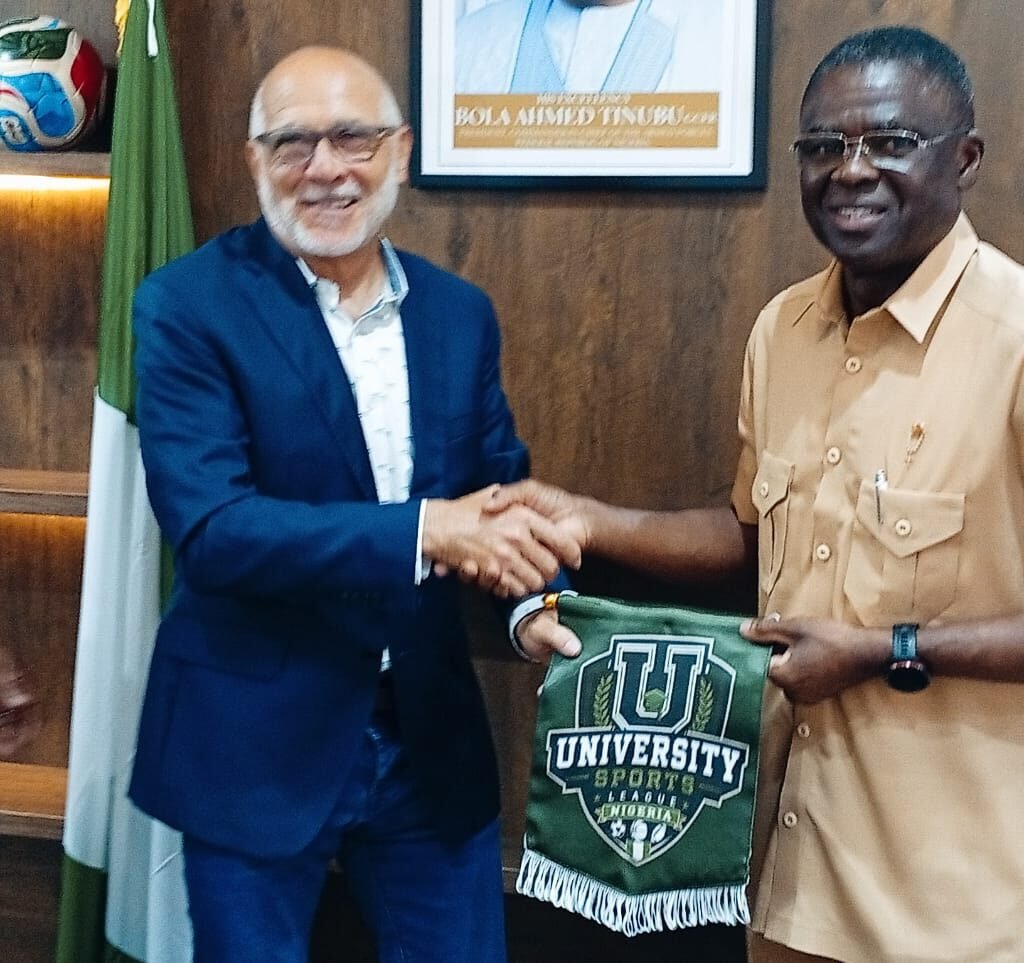
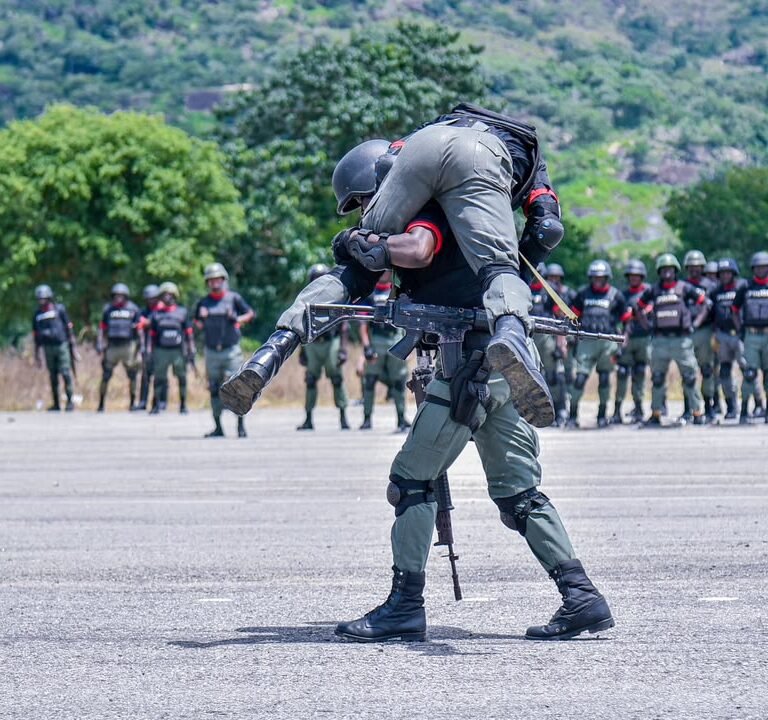
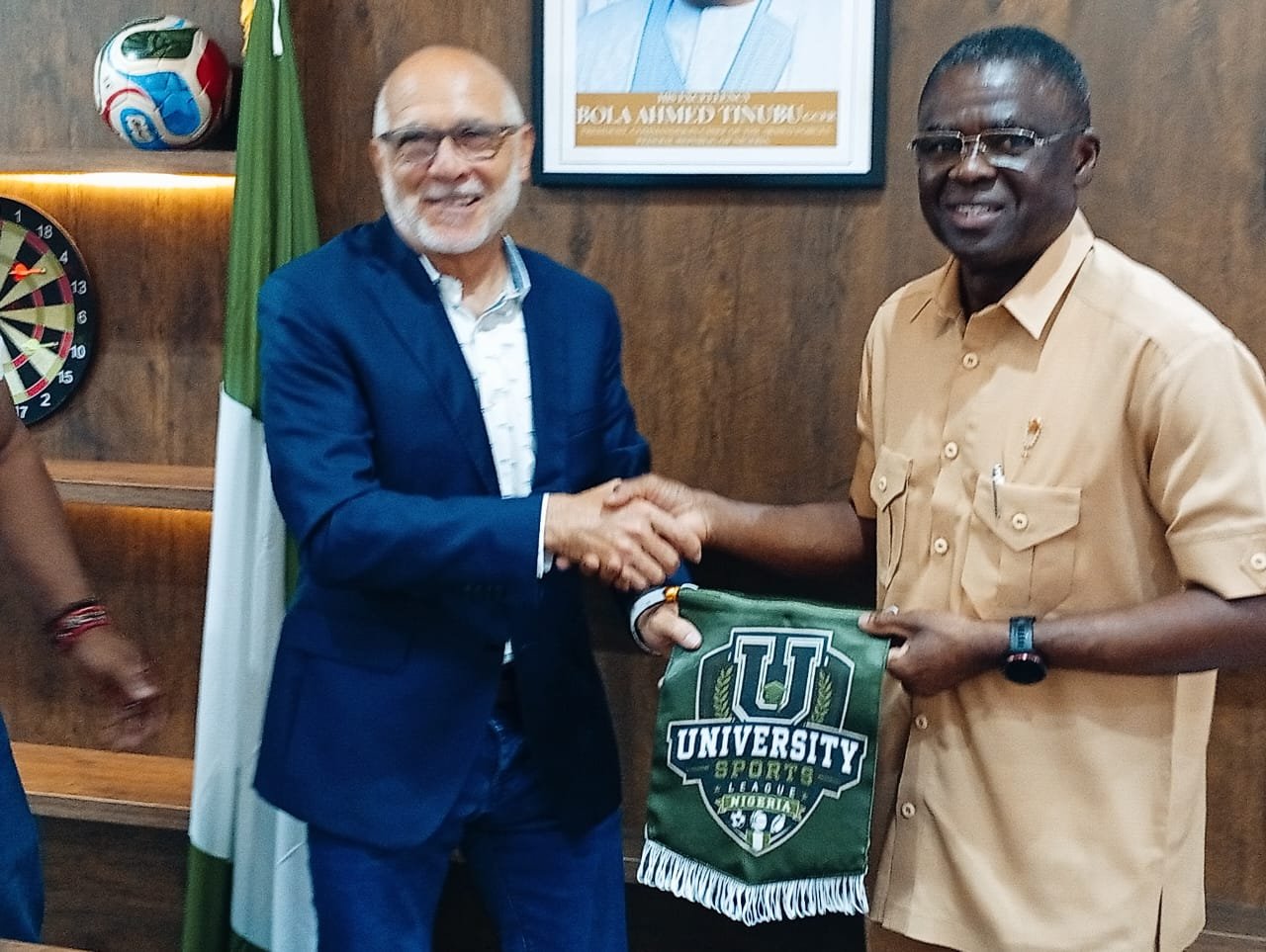
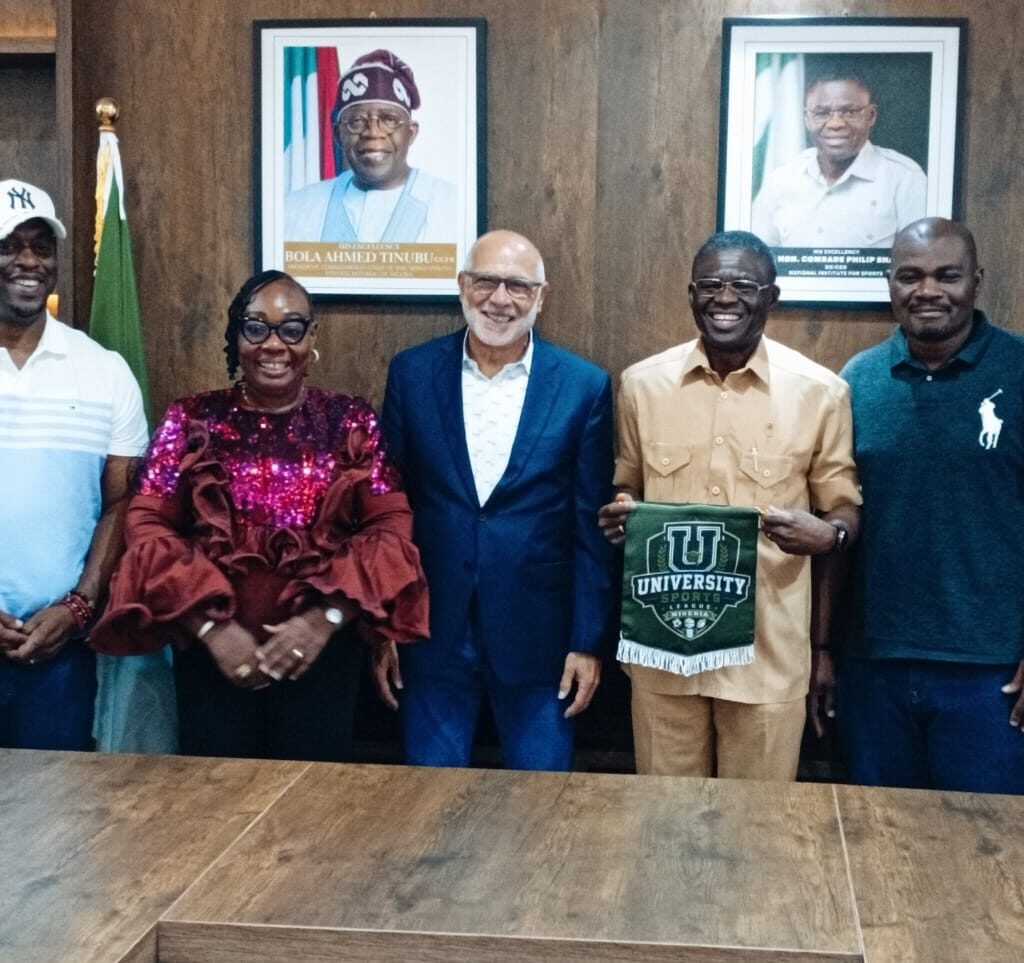
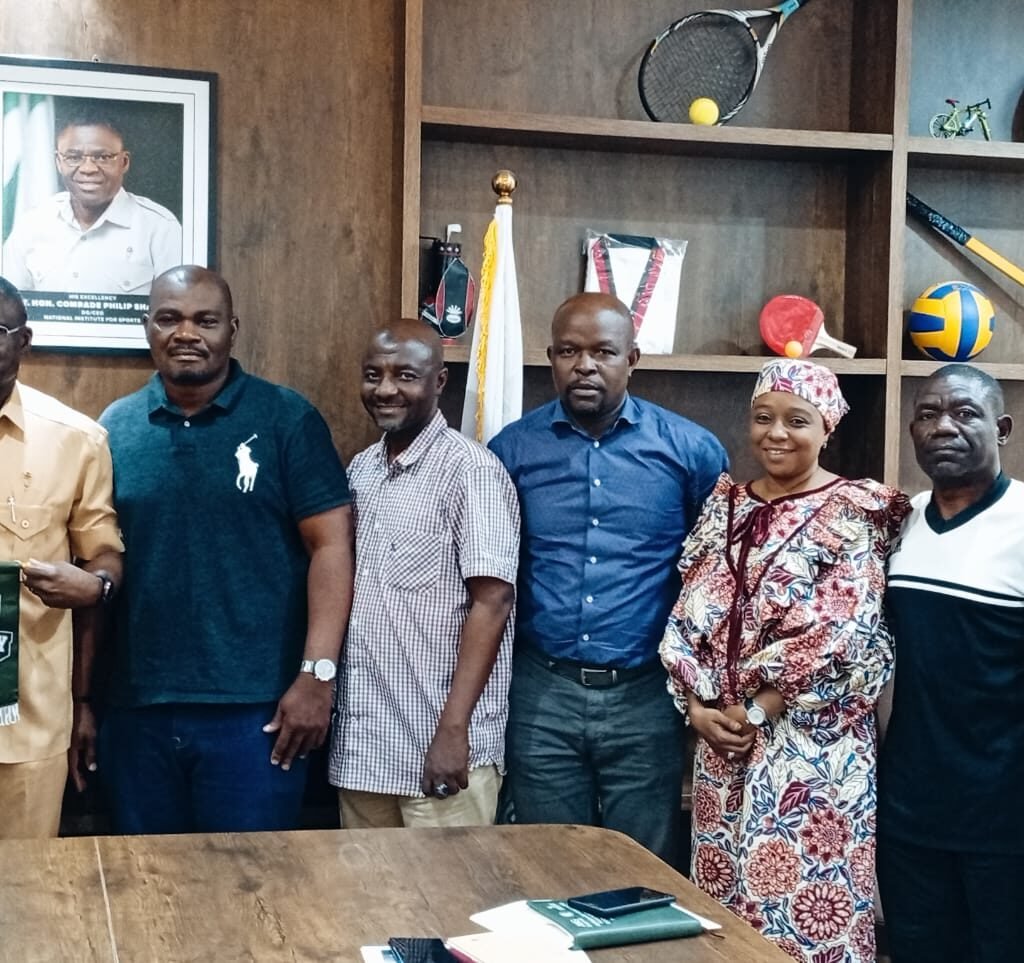
Shaibu made the remarks after participating in the Institute’s regular Tuesday and Thursday keep-fit exercise, while receiving the Rudder Sports Management team, led by its President, Emmanuel Omijeh, at his office in Abuja.
He aligned the renewed focus on sports development with the administration of President Bola Ahmed Tinubu, noting that the President’s interest in sports is reflected in key policy directions and appointments aimed at strengthening grassroots sports.
According to him, the creation of a Senior Special Assistant on Grassroots Sports underscores the administration’s commitment to nurturing young talents across the country.
Shaibu stressed that the NIS remains central to any meaningful sports reform in Nigeria, warning that years of neglect had slowed down progress in the sector.
“You cannot start a car without an engine. The Nigerian sports sector went on holiday because the engine room, the NIS, was neglected. Without building from the grassroots, there can be no sustainability,” he said.
He emphasized that sustainable sports development must begin at the grassroots level, where young athletes are discovered, trained, and developed into professionals capable of competing globally.
Shaibu also raised concern over the lack of structured post-career planning for athletes, describing it as a major challenge in the sports ecosystem.
“We have seen too many retired athletes without anything to fall back on. We must institutionalize exit plans at least two years before retirement. This should include training in coaching and sports management to ensure smooth transition,” he stated.
He further called for a structured system that prepares athletes for life after active sports, ensuring continuity and stability within Nigeria’s sporting framework.
Drawing from his experience in Edo State, Shaibu highlighted efforts made to rehabilitate and empower retired athletes through integration into sports administration and self-reliance programmes.
He also recounted a talent discovery success story involving Imade Osarenkhoe, whom he identified during a novelty match at the University of Benin Teaching Hospital. The player later signed for Bendel Insurance, became league top scorer for two seasons, and now plays professionally in the UAE.
Shaibu noted that beyond sports performance, athletes under his guidance were exposed to business education to help them invest wisely and secure their futures.
“I know what we suffered as players, and I wouldn’t want the next generation to go through the same. Collaboration remains key to moving Nigerian sports forward,” he added.
Earlier, Emmanuel Omijeh, President of Rudder Sports Management, presented the organization’s vision for structured university sports development across Nigeria, stating that the initiative is designed to complement the mandate of the NIS.
He said consultations with key stakeholders are ongoing to ensure alignment and sustainability in implementation.