

By Gabriel Ameh
Abuja | Media360Impact Report
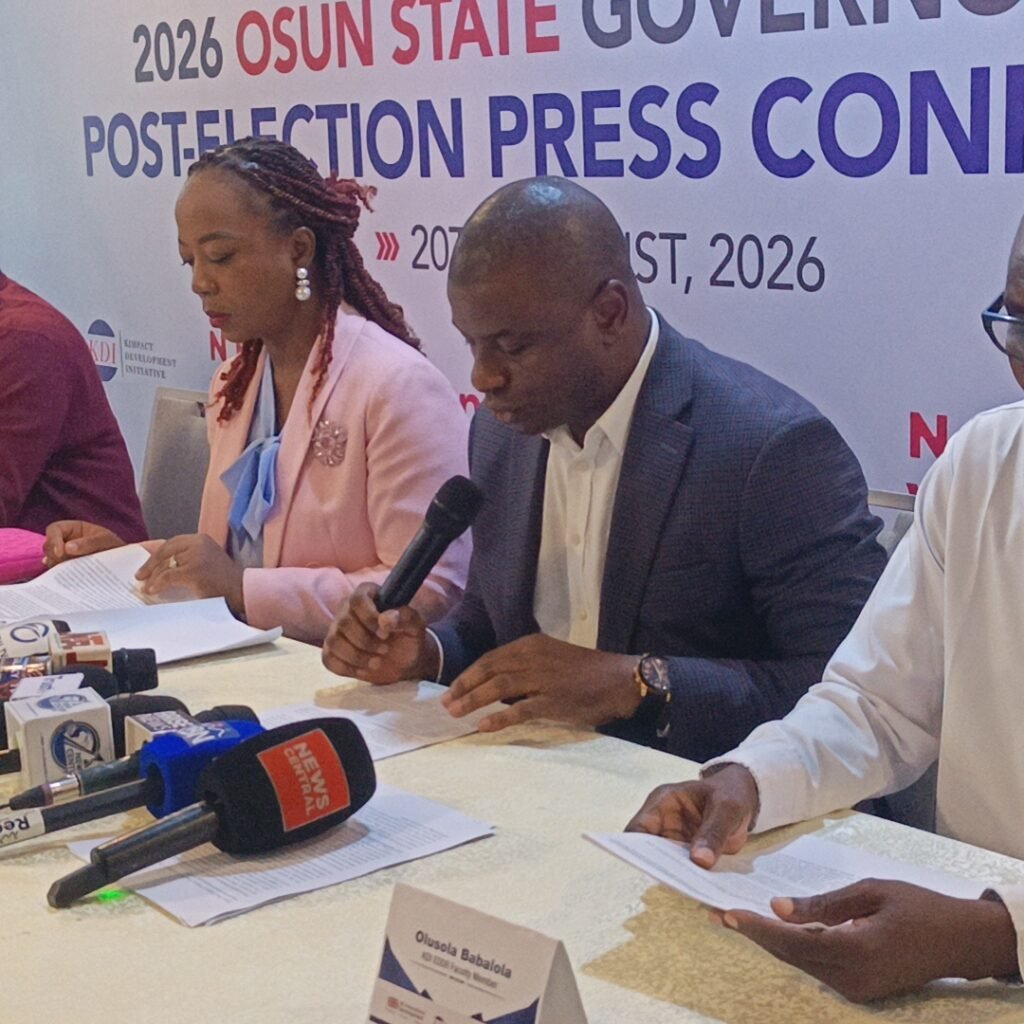
The 2026 Osun State Governorship Election may have been largely peaceful, but an independent post-election assessment by Kimpact Development Initiative (KDI) has raised fresh concerns over the reliability of electoral technology, result management and transparency ahead of Nigeria’s 2027 General Elections.
KDI, which deployed 370 accredited observers across all 30 Local Government Areas, 332 wards and 1,660 polling units, said its Election Day Data Room identified several discrepancies in polling-unit results uploaded to the Independent National Electoral Commission’s (INEC) IReV portal.
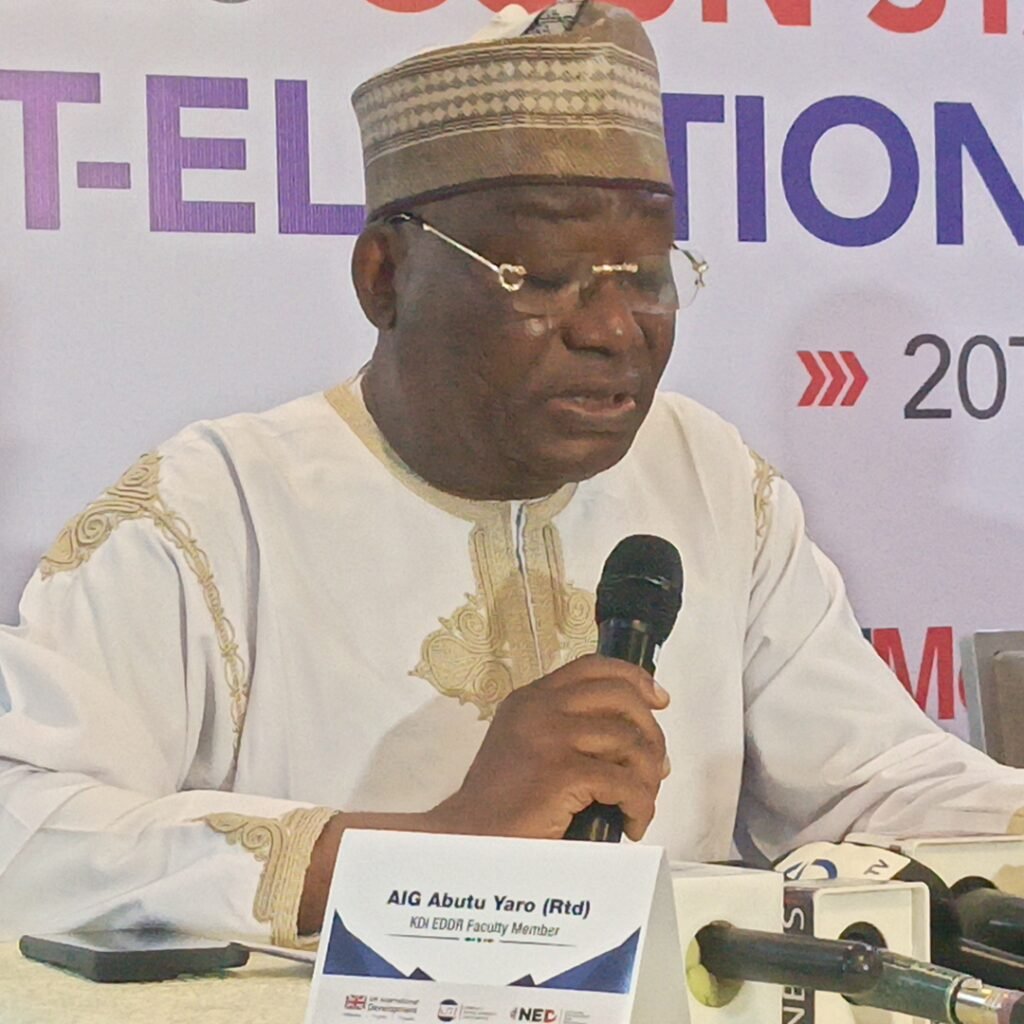
According to the organisation, its preliminary analysis identified 260 polling units with arithmetic inconsistencies, 82 cases where the number of accredited voters exceeded total votes cast, and 11 polling units with registered-voter mismatches.
KDI said the findings require further technical examination, particularly because INEC has introduced the electronic Form EC8A, or e-EC8A, as an additional validation mechanism for election results.
The civil society organisation questioned how effectively the system identifies and reconciles discrepancies before results enter the wider collation process.
It also called for greater legal clarity over the relationship between the electronic EC8A and the physical EC8A, arguing that uncertainty could create complications during election petitions and post-election audits.
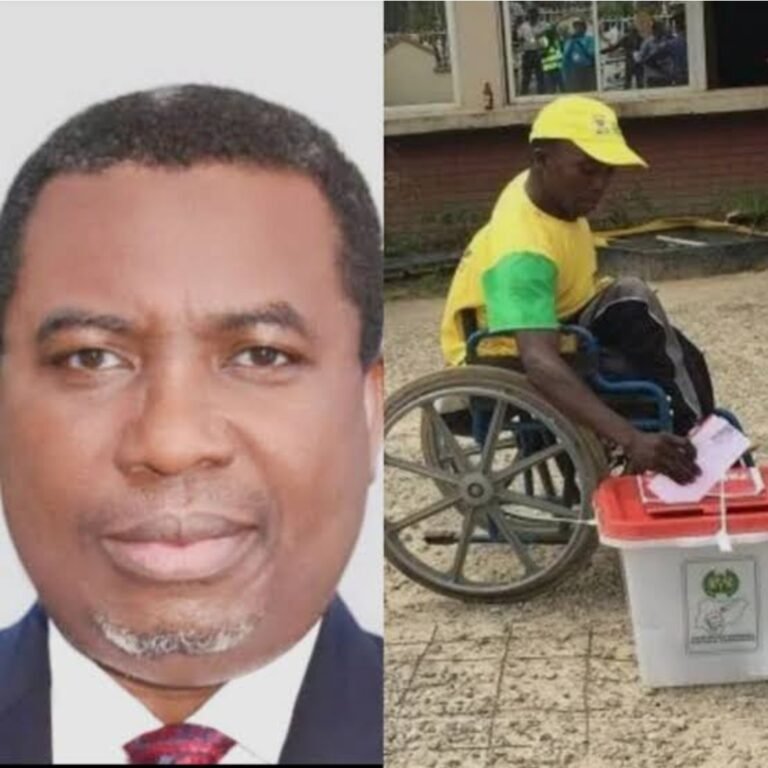
The assessment further revealed uneven performance by the Bimodal Voter Accreditation System (BVAS).
KDI reported that BVAS successfully processed accreditation in 84.9 per cent of observed cases, representing a 15.1 per cent failure rate.
Although KDI described this as a marginal improvement over the 82.6 per cent functionality recorded during the 2026 Ekiti Governorship Election, it remained below the 96 per cent recorded during the 2025 Anambra Governorship Election.
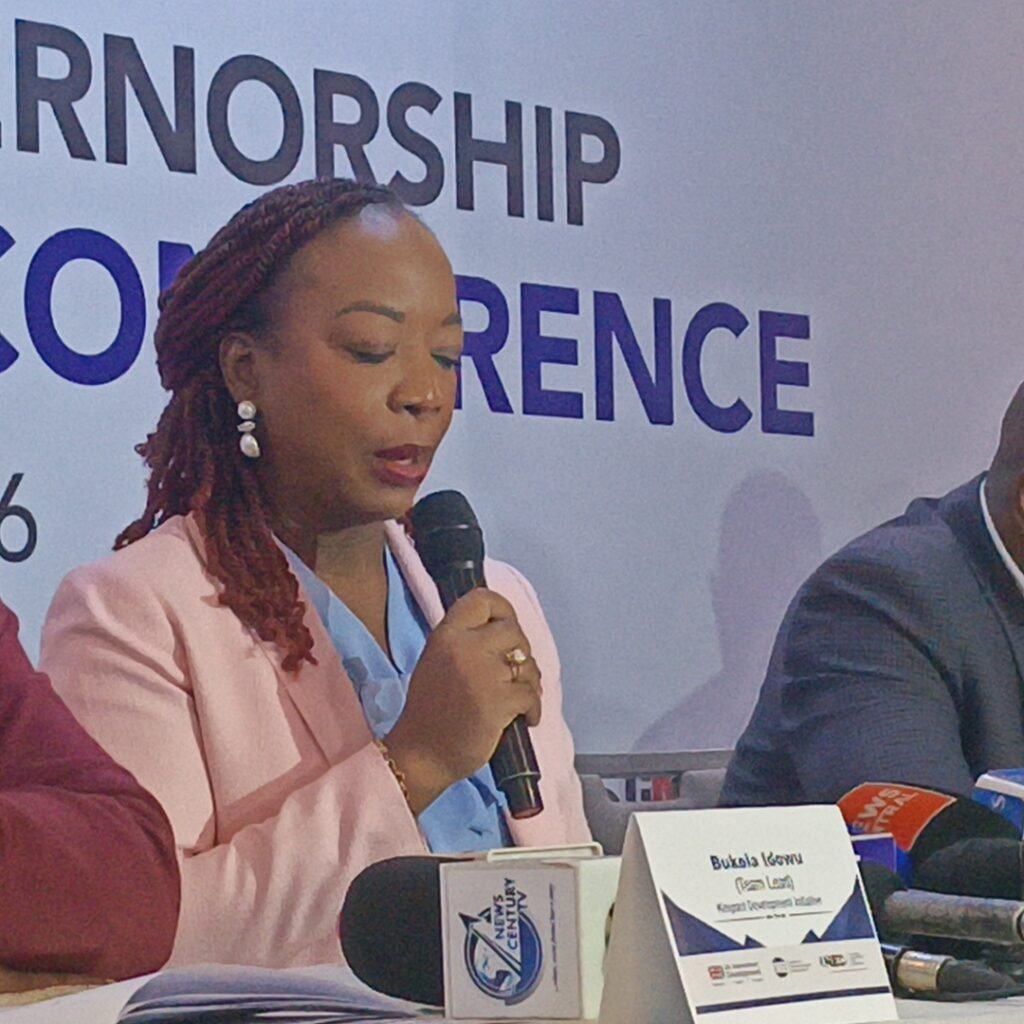
Observers also reported widespread difficulty with fingerprint recognition, resulting in extensive reliance on facial recognition in several polling locations.
The organisation said elderly voters faced particular difficulties with both fingerprint and facial authentication, raising concerns about possible disenfranchisement among vulnerable voter groups.
KDI also criticised INEC’s communication during a temporary interruption in the uploading of results to the IReV portal.
According to the group, the interruption began at about 8:30 p.m. and lasted for more than two hours, with no public explanation observed from INEC during the period.
KDI said timely communication during such incidents was necessary to prevent uncertainty, misinformation and avoidable public anxiety.
The organisation has therefore urged INEC to strengthen election-day operational preparedness, improve BVAS technical support, communicate promptly during technology disruptions and clarify the validation and reconciliation rules governing e-EC8A.
For KDI, the Osun experience offers an important warning ahead of the 2027 elections: a peaceful election is not enough to guarantee electoral credibility if the systems for voter accreditation, result transmission and reconciliation remain difficult to verify.