
NCC Pushes New Financing Framework for Telecom Power, Fibre and Data Centres
The Nigerian Communications Commission (NCC) has outlined new investment and financing pathways aimed at tackling some of the major infrastructure challenges limiting Nigeria’s digital connectivity.
The proposals emerged from discussions involving government, regulators, investors, financiers and industry stakeholders, with emphasis on the high cost of financing, Right of Way and permitting challenges, unreliable power supply and gaps in trusted infrastructure data.
The NCC proposed using the Universal Service Fund regulatory framework as the primary source for projects targeting underserved areas, supported by blended public and multilateral financing.
It also called for a stronger business case for indoor mobile coverage in commercial buildings, with tower companies, neutral-host operators and property owners encouraged to develop sustainable coverage models.
For the country’s growing data-centre sector, the Commission proposed incorporating data-centre infrastructure requirements into the National Broadband Plan, while pairing off-grid and renewable energy solutions with blended financing.
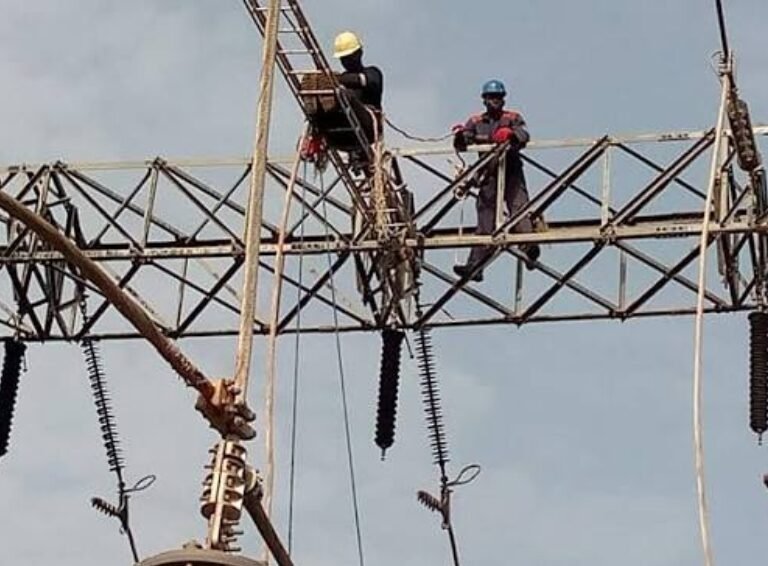
Within the next 18 to 24 months, the NCC proposed establishing a financing framework for telecommunications power that would standardise energy provision through regulation and bring telecom power infrastructure within the framework for protecting critical national information infrastructure.
The Commission also identified metro and access fibre development under concession arrangements as another key pathway for expanding broadband infrastructure.
Such fibre projects, it said, should be mapped against existing infrastructure assets and integrated with Project BRIDGE to improve coordination and reduce duplication of investments.
Coordinated Action Needed
Participants at the Forum agreed that the major barriers affecting Nigeria’s digital infrastructure are interconnected and cannot be addressed in isolation.
They identified the cost and tenor of financing, Right of Way and permitting constraints, the cost and reliability of electricity, and inadequate access to trusted infrastructure data as critical issues requiring coordinated action.
The NCC said addressing these challenges would require sustained collaboration among government agencies, regulators, investors, financiers and telecommunications industry players.
The Commission also undertook to continue engaging participants and other relevant stakeholders to advance the identified actions and investment opportunities.
The Forum participants expressed appreciation to the Federal Government of Nigeria, the relevant Ministers, the Government of Sweden, Swedfund and Ookla for their partnership.
They also commended the Board, Management and staff of the Nigerian Communications Commission for convening and hosting the Forum.
Source/Credit: Nigerian Communications Commission (NCC), October 4, 2026.