0-0x0-0-0-{}-0-0#
By Gabriel Ameh
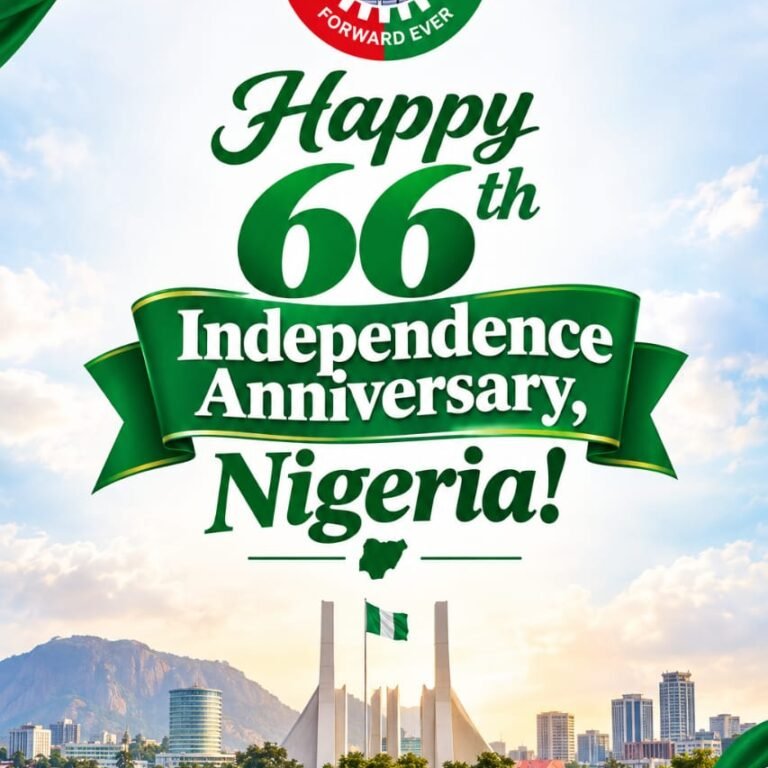
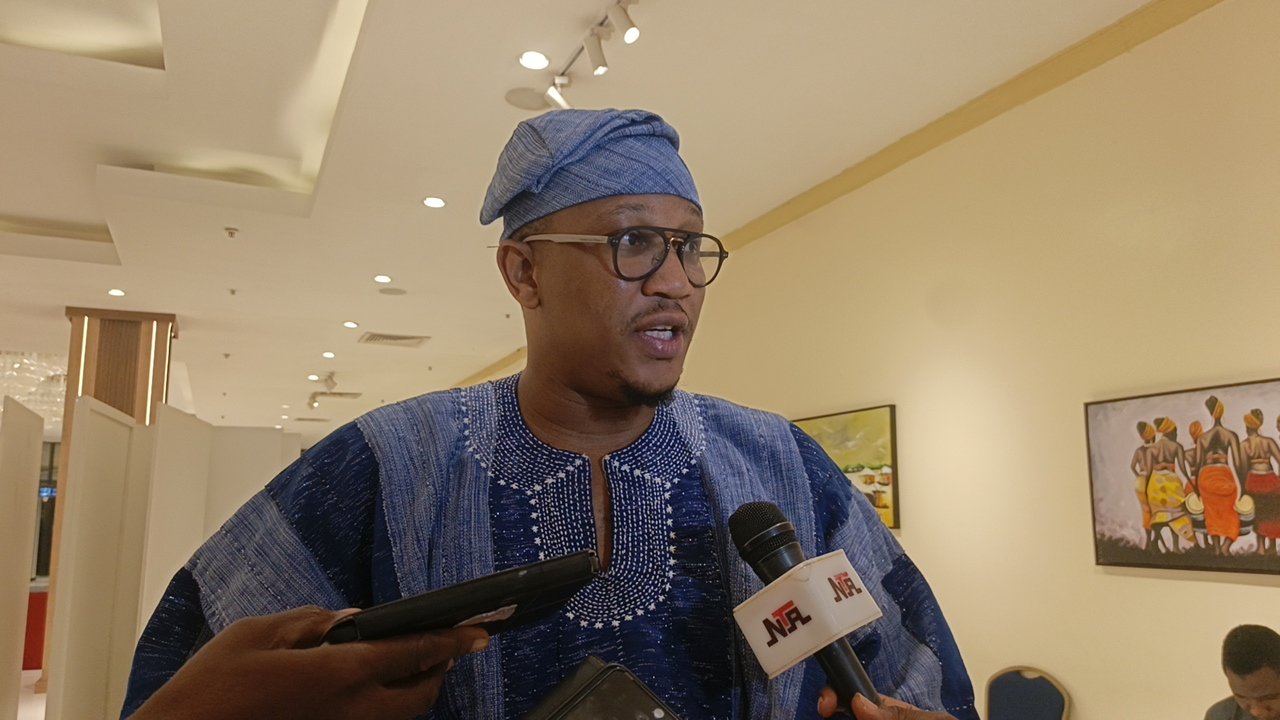
Ghana’s High Commissioner to Nigeria, Baba Sadiq Abdulai Abu, has marked Nigeria’s 66th Independence Anniversary with the presentation of an anniversary cake, using the occasion to highlight the longstanding relationship between the two West African countries.
Abu presented the cake alongside members of his diplomatic team as part of activities celebrating Nigeria’s independence.
The Ghanaian envoy said the gesture reflected the deep historical, cultural, economic and diplomatic connections between Ghana and Nigeria, stressing the need to further strengthen ties between the two countries.
According to him, Ghana and Nigeria have maintained a special relationship since the early years of their independence, with cooperation spanning trade, investment, culture and regional affairs.
He noted that Nigeria remains an important source of investment for Ghana, while Ghanaian businesses and investors continue to have a significant presence in Nigeria.
From Nkrumah to Today
Abu traced part of the relationship between the two countries to Ghana’s first President, Dr Kwame Nkrumah, who visited Nigeria in February 1959 and held meetings with prominent Nigerian leaders, including Prime Minister Abubakar Tafawa Balewa and Dr Nnamdi Azikiwe.
He said the foundation established by the leaders of that era had grown into a relationship that now extends across several sectors.
The High Commissioner said the younger generation had a responsibility to build on that history by creating new opportunities for cooperation between Ghana and Nigeria.
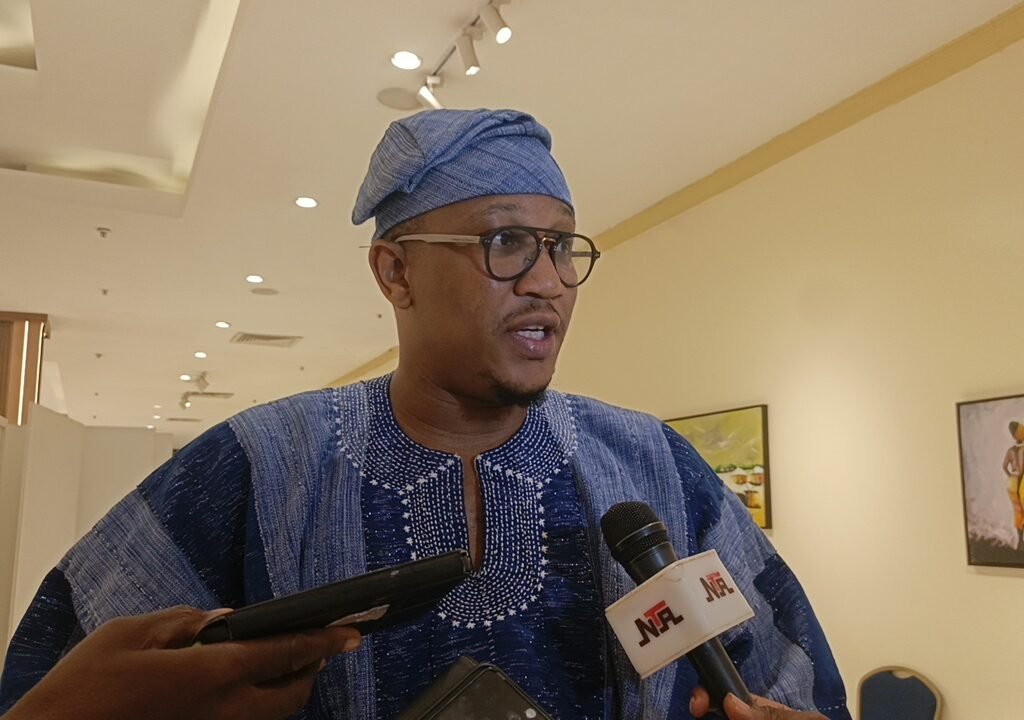
He disclosed that the Ghanaian diplomatic mission was promoting what he described as the “Ghana-Nigeria philosophy”, with particular emphasis on trade, investment and economic cooperation.
“We want to emphasise trade, investment and so on and so forth,” Abu said, stressing the importance of encouraging greater economic exchanges between both countries.
Beyond Diplomacy
The envoy also pointed to the strong people-to-people relationship between Nigerians and Ghanaians, citing music, football, social media interactions and the popular “Jollof Wars” as examples of the friendly rivalry and cultural connections shared by both countries.
He said the relationship goes beyond bilateral diplomacy and also plays an important role within the Economic Community of West African States (ECOWAS).
Ghana and Nigeria, he noted, have remained important players in regional integration, trade and efforts to promote peaceful coexistence in West Africa.
Abu also recalled instances of Nigerian support for Ghana on diplomatic and other issues, including concerns over xenophobia in South Africa, as well as cooperation in health investment and reparations.
He said such examples demonstrated the importance of maintaining close cooperation between the two countries.
A Relationship for the Next Generation
The High Commissioner, who is among Ghana’s younger diplomatic representatives, said his generation had a responsibility to take the Ghana-Nigeria relationship to the next level.
He said greater attention should be given to trade and investment as practical ways of turning the longstanding friendship between the two countries into stronger economic partnerships.
Abu also highlighted some of the symbolic reminders of the relationship between the two countries.
He noted, for instance, that the street where he lives in Ghana is named Tafawa Balewa Avenue, after Nigeria’s first Prime Minister.
According to him, such historical connections show the depth of the relationship between Ghana and Nigeria and can help younger generations better understand the ties between both countries.
The anniversary celebration also featured a lighter moment when Abu presented a Ghanaian football jersey to Nigeria’s Minister of State, sparking a friendly exchange over the football rivalry between the two nations.
The gesture added a sporting dimension to the celebration and further highlighted the cultural affinity and friendly competition that continue to connect Ghana and Nigeria.
Credit: Media360Impact Report