

By Treasure Anneth
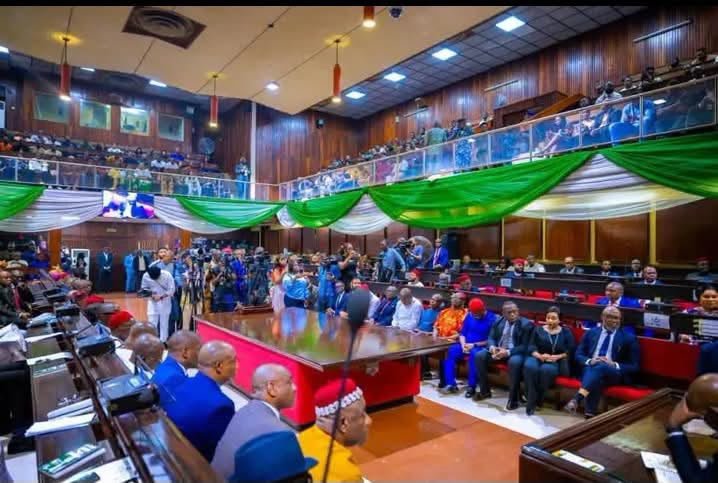
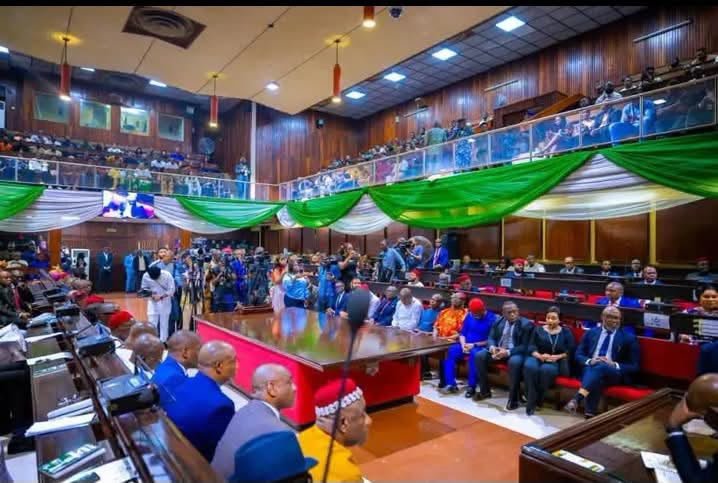
The Enugu State House of Assembly has passed an amendment to the state’s Landlord and Tenancy Law, proposing new restrictions on rent increases, estate agency charges and other fees imposed on tenants.
The proposed amendment is aimed at addressing the rising cost of accommodation, protecting tenants from arbitrary rent increases and regulating the activities of estate agents across the state.
Under the proposed legislation, estate agents will be required to register with the Enugu State Housing Corporation before they can legally operate in the state.
The amendment also seeks to limit agency fees to five per cent, while legal fees will be capped at 10 per cent and restricted to qualified legal practitioners.
Another significant provision is the proposed prohibition of management fees charged by landlords, a practice that often adds to the financial burden of tenants.
The bill also introduces new arrangements for the collection and refund of caution deposits. Under the proposal, such deposits will be paid into a special account supervised by the Ministry of Justice and refunded to tenants who vacate their apartments without causing damage to the property.
On rent adjustments, landlords will be required to maintain existing rental rates for at least four years before implementing any increase.
Following the four-year period, subsequent rent increases will be limited to two per cent. However, landlords who undertake substantial renovations on their properties may be allowed to increase rent by as much as 10 per cent.
The State House of Assembly passed the amendment on Tuesday, November 17, 2026, and the bill is now awaiting the assent of Governor Peter Mbah before its provisions can become law.
The proposed legislation is expected to introduce greater regulation into the state’s rental housing market, particularly in the relationship between landlords, tenants and property agents.
If assented to, the amendment could mark a significant shift in tenancy regulation in Enugu State, with a focus on limiting excessive charges and improving accountability in the rental sector.
However, the proposed provisions remain subject to the final version of the bill and the governor’s assent.