
By Gabriel Ameh
The Vice President of Sierra Leone, Dr Mohamed Juldeh Jalloh, has urged Nigeria and Sierra Leone to move beyond their longstanding diplomatic relationship and build stronger economic partnerships in trade, investment, education and industrial development.
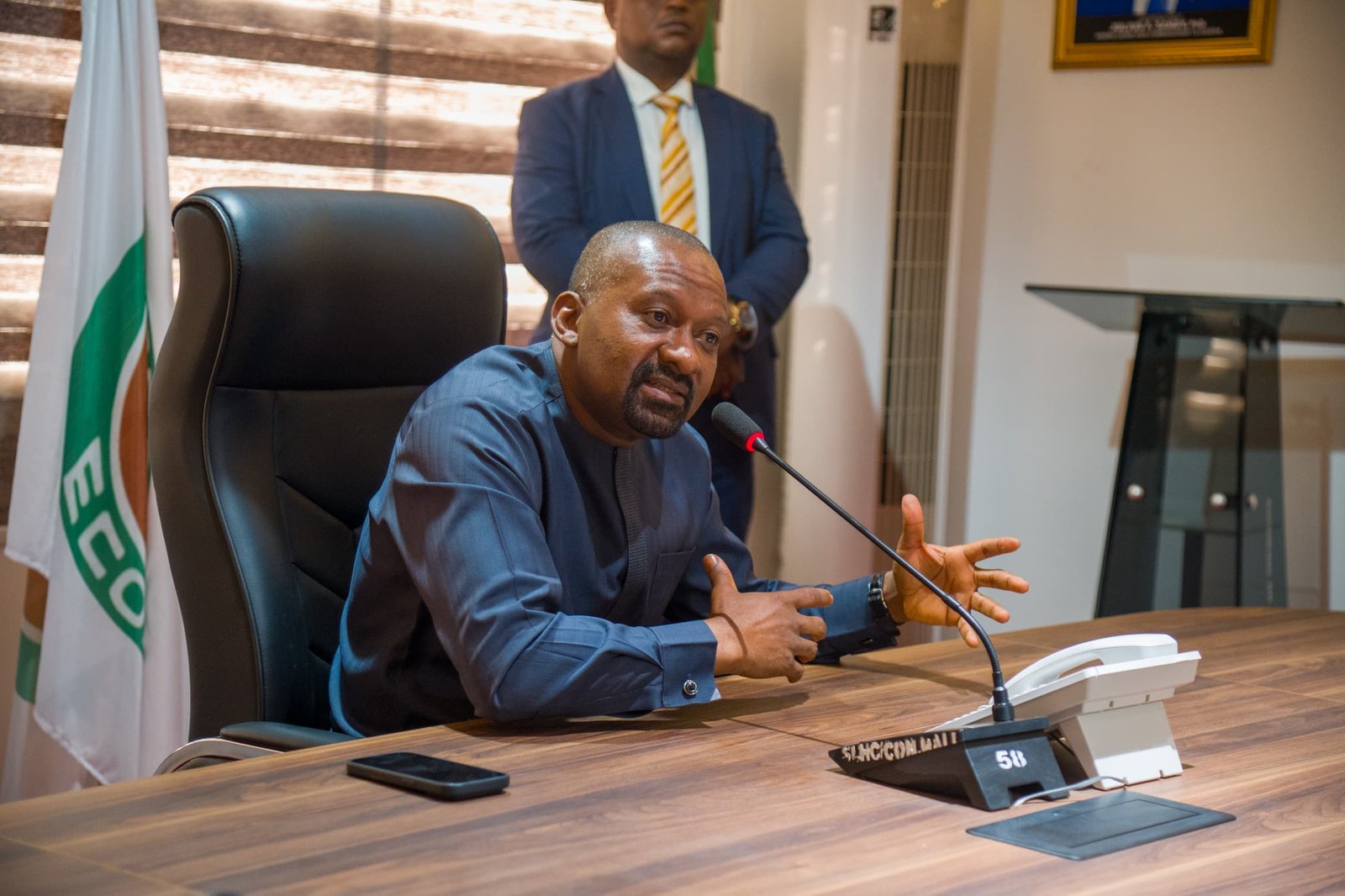
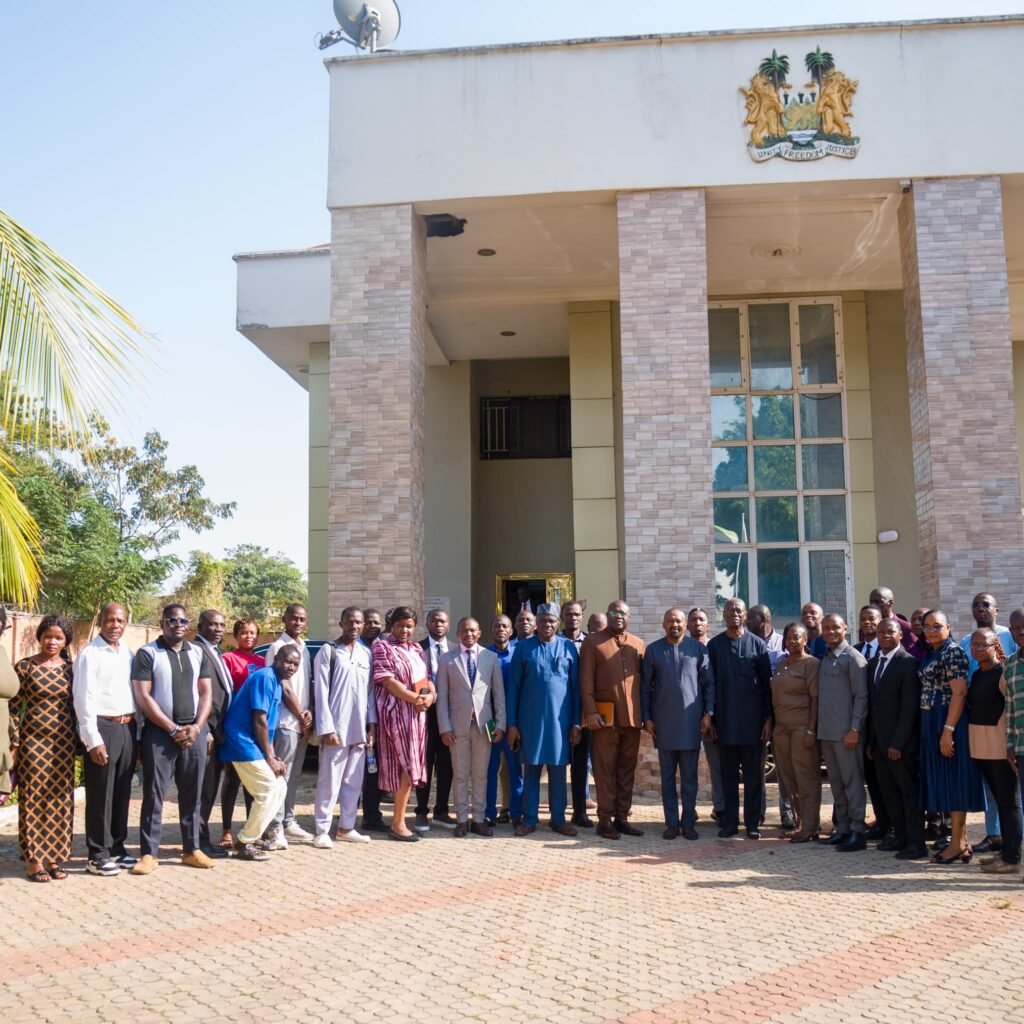
Jalloh made the call on Wednesday during a visit to the Sierra Leone High Commission in Abuja, where he met with the High Commissioner, diplomats and other members of staff.
He said the historical relationship between both countries provides a strong foundation for deeper cooperation that would deliver economic benefits to their citizens.
The Vice President recalled that Nigeria and Sierra Leone share decades of educational, cultural and political connections, including Nigeria’s support for Sierra Leone during its civil war.
He also highlighted the historical contribution of Sierra Leoneans to Nigeria’s education and religious institutions, noting that people-to-people relationships have strengthened the bond between both countries.
“There is no country in Africa that is close to Nigeria than Sierra Leone. We have very strong historical ties,” he said.
Jalloh said the time had come to transform these longstanding connections into practical economic opportunities.
Nigeria, Sierra Leone Must Revive Trade Relations
The Sierra Leonean Vice President identified trade and transportation as critical areas where both countries could strengthen their relationship.
He recalled that Nigeria was a major trading hub for West Africa during the 1980s and 1990s but said the decline in regional air and sea transportation affected commercial connections across the region.
He argued that stronger trade links would help West African countries reduce their dependence on distant markets, including Turkey and China.
Jalloh welcomed the three weekly direct Air Peace flights between Lagos and Freetown, describing improved air connectivity as an important step towards stronger regional integration.
He also highlighted the importance of the Economic Community of West African States (ECOWAS), describing it as the most viable regional organisation for advancing cooperation among West African countries.
Fourah Bay College, Nigerian Universities to Deepen Academic Ties
Jalloh also called for stronger educational cooperation, including increased opportunities for Sierra Leonean military officers to receive advanced training in Nigerian institutions.
He specifically mentioned the Armed Forces Command and Staff College in Jaji and the University of Ibadan as important institutions for expanding professional and academic exchanges.
The Vice President announced that Fourah Bay College would celebrate its 200th anniversary between February and April 2027.
According to him, the University of Ibadan has been invited to send a delegation of more than 10 professors to participate in the anniversary conference.
He further proposed expanded academic exchanges, including staff mobility programmes, the deployment of Nigerian Technical Aid Corps volunteers to Sierra Leone and continued support from Nigerian medical professors to Sierra Leone’s College of Medicine.
As part of the proposed partnership, Sierra Leone plans to offer five annual scholarships to Nigerian doctoral students interested in conducting research in the country.
The programme would involve joint supervision by Nigerian and Sierra Leonean professors, with the aim of encouraging collaborative research and joint academic publications.
Jalloh said he would also present a concept note from the University of Ibadan to Nigeria’s Vice President to strengthen academic cooperation between the two countries.
Sierra Leone Proposes Mineral Processing Partnership With Nigeria
In what could become a major economic opportunity for both countries, Jalloh proposed a partnership that would combine Nigeria’s natural gas resources with Sierra Leone’s mineral wealth.
He said Sierra Leone possesses substantial deposits of iron ore, bauxite and rutile, including an estimated 22 billion tonnes of iron ore.
However, he questioned why the country’s mineral resources should continue to be transported thousands of kilometres abroad for processing when Nigeria has the gas resources needed to support local industrial production.
He suggested that Nigerian gas could power mineral processing facilities, creating opportunities for industrial growth, investment and employment in both countries.
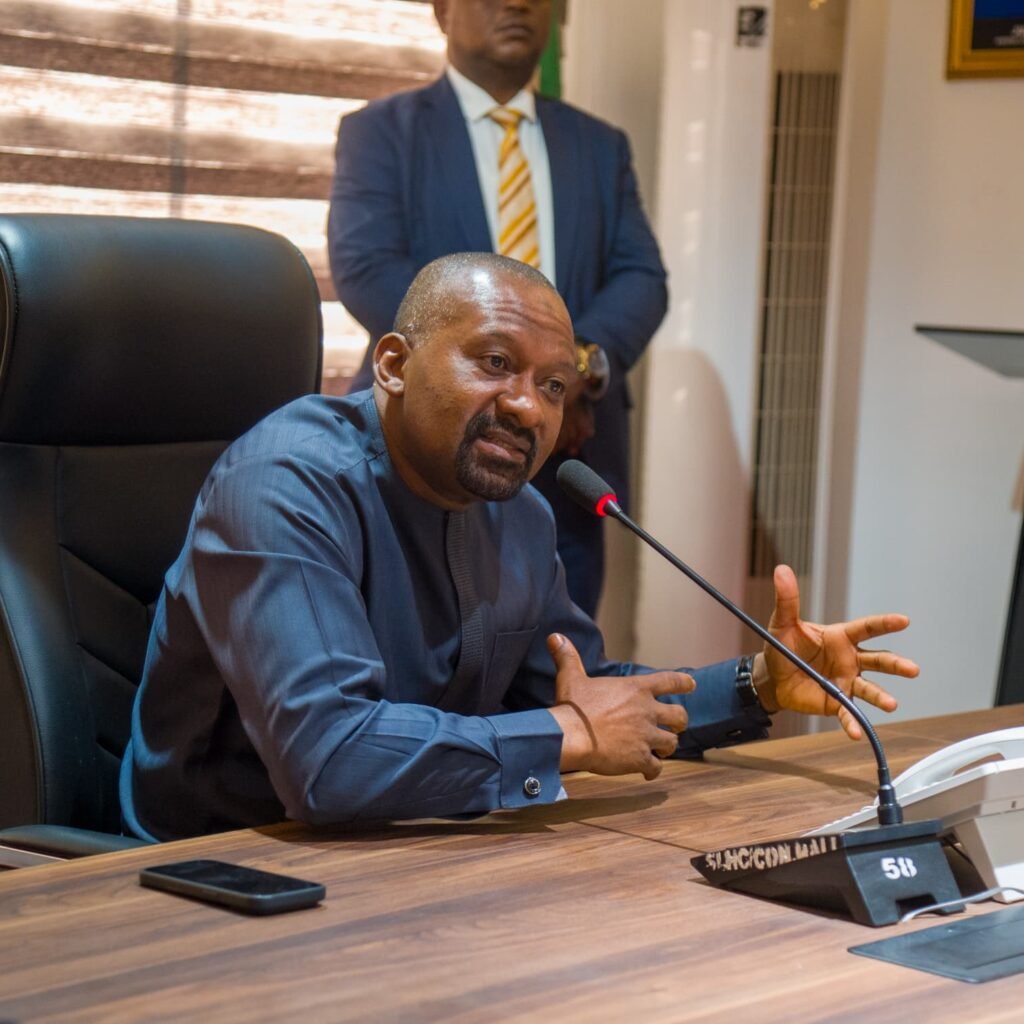
“You just need 50 cubic unit of gas to transform 2 tons of iron,” he said.
According to him, such cooperation would allow both countries to benefit from their respective natural resources instead of exporting raw materials and missing opportunities for local value addition.
Jalloh maintained that Nigeria and Sierra Leone must now move from celebrating their shared history to building economic partnerships that improve livelihoods and create prosperity for their people.
His message was clear: the longstanding friendship between both countries should translate into stronger trade, better education, industrial development and opportunities for future generations.