

0-0x0-0-0-{}-0-0#
By Gabriel Ameh
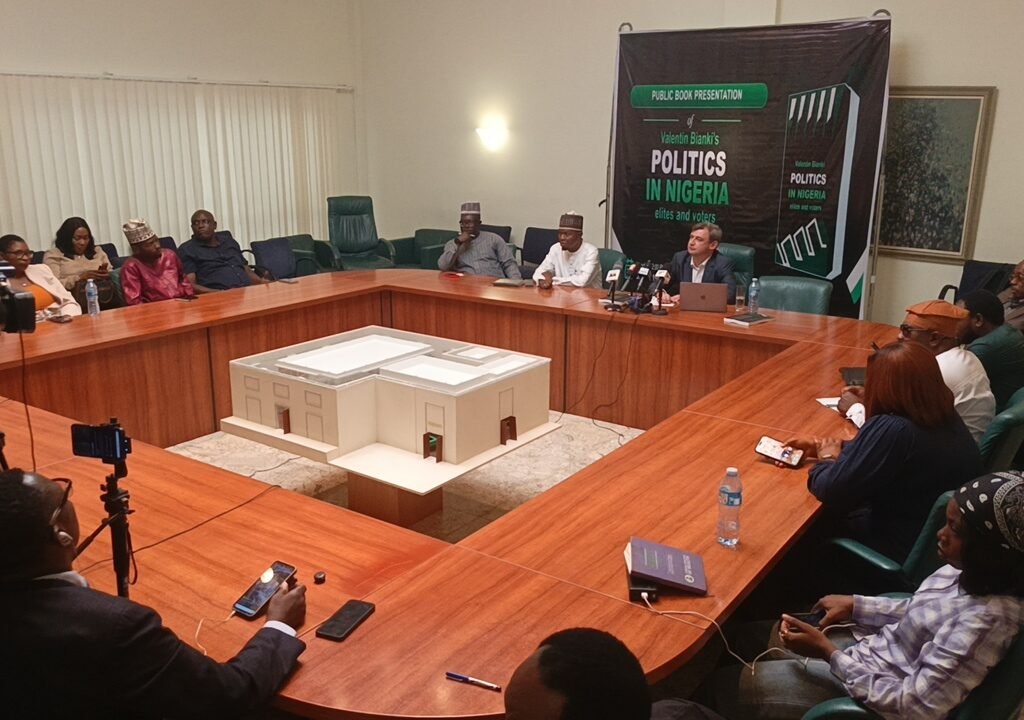
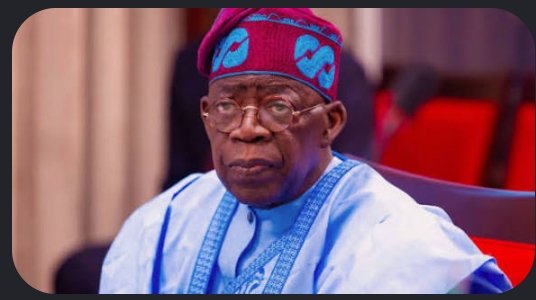
President Bola Ahmed Tinubu may be well positioned to secure a second term in 2027, but growing public dissatisfaction, divisions within the ruling party and the possibility of a united opposition could complicate his re-election bid, according to Russian political analyst Valentin Bianki.
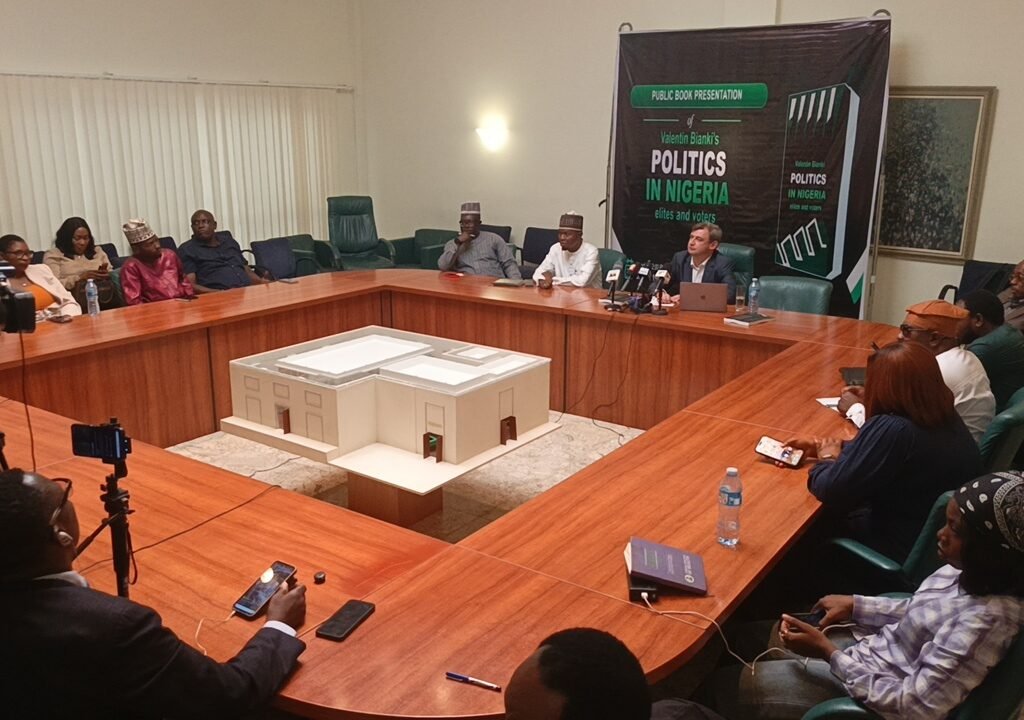
In his book, Politics in Nigeria: Elites and Voters, Bianki examines Nigeria’s political landscape, the factors behind Tinubu’s victory in 2023 and the forces that could shape the next presidential election.
His assessment identifies the ruling All Progressives Congress (APC) as a strong contender for the 2027 election, largely because of its expanding political influence and the consolidation of power under Tinubu.
However, the analyst argues that the president’s position is not without significant vulnerabilities, including economic hardship, insecurity, dissatisfaction with established political parties and possible resistance from political elites who fear the emergence of a dominant-party system.
OPPOSITION UNITY COULD CHANGE THE RACE
One of the most important factors highlighted in Bianki’s analysis is whether opposition politicians can overcome their personal ambitions and regional differences to challenge the ruling party on a common platform.
The Peoples Democratic Party (PDP), which governed Nigeria from 1999 to 2015, has struggled to regain its former strength following successive electoral setbacks and internal divisions.
According to the analysis, the party’s failure to rebuild a cohesive political structure after losing power, combined with the emergence of Peter Obi and the influence of Rabiu Kwankwaso in 2023, weakened its chances of defeating Tinubu.
Bianki argues that a coordinated opposition could pose a more serious challenge in 2027 if major political figures successfully unite their supporters across different regions and social groups.
However, he cautions that simply combining the electoral support of opposition candidates would not automatically guarantee victory. Their success would depend on effective coordination, an acceptable presidential and vice-presidential ticket, grassroots mobilisation and the ability to convince undecided voters.
YOUNG VOTERS COULD BECOME DECISIVE
The analyst also highlights Nigeria’s growing youth population as a potentially decisive factor in the next election.
The 2023 presidential election demonstrated the influence of online political campaigns, particularly the support Peter Obi attracted among younger Nigerians through the Labour Party.
Yet Bianki notes that strong online enthusiasm does not necessarily translate into votes at polling stations.
He argues that the ability to mobilise young people beyond social media could determine whether their political preferences significantly influence the 2027 outcome.
With economic pressures and insecurity continuing to shape public debate, the extent to which younger voters believe electoral participation can bring meaningful change may become increasingly important.
The analysis also raises concerns about voter apathy, suggesting that disappointment with established political parties could discourage participation and weaken public confidence in the electoral process.
WHY TINUBU REMAINS A STRONG CONTENDER
Despite these challenges, Bianki considers Tinubu’s prospects of winning a second term relatively strong.
He points to the APC’s growing political reach, the alignment of political officeholders with the ruling party and the advantages an incumbent president enjoys in national politics.
The analyst also identifies the relationship between presidential, parliamentary and governorship elections as an important factor in political negotiations.
According to his assessment, the interests of APC candidates contesting legislative and governorship seats could encourage them to support the president’s re-election campaign.
However, Tinubu could face resistance from longstanding party allies who believe that bringing former opposition politicians into the APC has weakened their influence.
The analyst also identifies insecurity, economic dissatisfaction and tensions within the ruling party as potential obstacles.
Although the administration has introduced major economic reforms, including the removal of fuel subsidies and changes to the naira’s exchange-rate policy, the political consequences of those decisions will depend partly on how Nigerians assess their impact on living conditions.
A FRAGILE OPPOSITION AND THE QUESTION OF COALITION
Bianki’s assessment suggests that the opposition’s biggest challenge is not simply defeating Tinubu but building a credible political alternative capable of holding together competing interests.
The African Democratic Congress (ADC) features prominently in the book’s discussion of opposition coalition-building efforts.
The analyst examines the difficulties of bringing together influential politicians with different regional bases, political ambitions and competing claims to leadership.
He also highlights the sensitive question of whether a northern or southern presidential candidate would be better positioned to unite the opposition without triggering resistance from either region.
For a coalition to become electorally competitive, the analysis suggests, its leaders would need to agree on a candidate, develop a compelling message and persuade voters that a change of government is both possible and desirable.
Without such coordination, divisions among opposition parties could again work to the advantage of the APC.
THREE POSSIBLE SCENARIOS FOR 2027
Bianki outlines a basic scenario in which Tinubu wins a second term, alongside two alternatives that could alter the political landscape.
The first alternative would involve a substantial opposition realignment, bringing together influential political figures and their support networks behind a single ticket capable of challenging the incumbent.
The second would involve a major political or economic crisis that significantly damages Tinubu’s standing, potentially changing the direction of the campaign.
The analyst identifies several possible sources of disruption, including worsening insecurity, economic deterioration, escalating separatist tensions and large-scale protests.
He also raises the possibility that a new generation of politically active Nigerians could challenge established political arrangements more forcefully than previous generations.
These scenarios remain possibilities rather than predictions of inevitable outcomes.
NIGERIA’S DEMOCRACY AND THE LIMITS OF ELITE POWER
Beyond the contest for the presidency, the book examines the relationship between Nigeria’s political elites, ordinary voters and the institutions responsible for managing electoral competition.
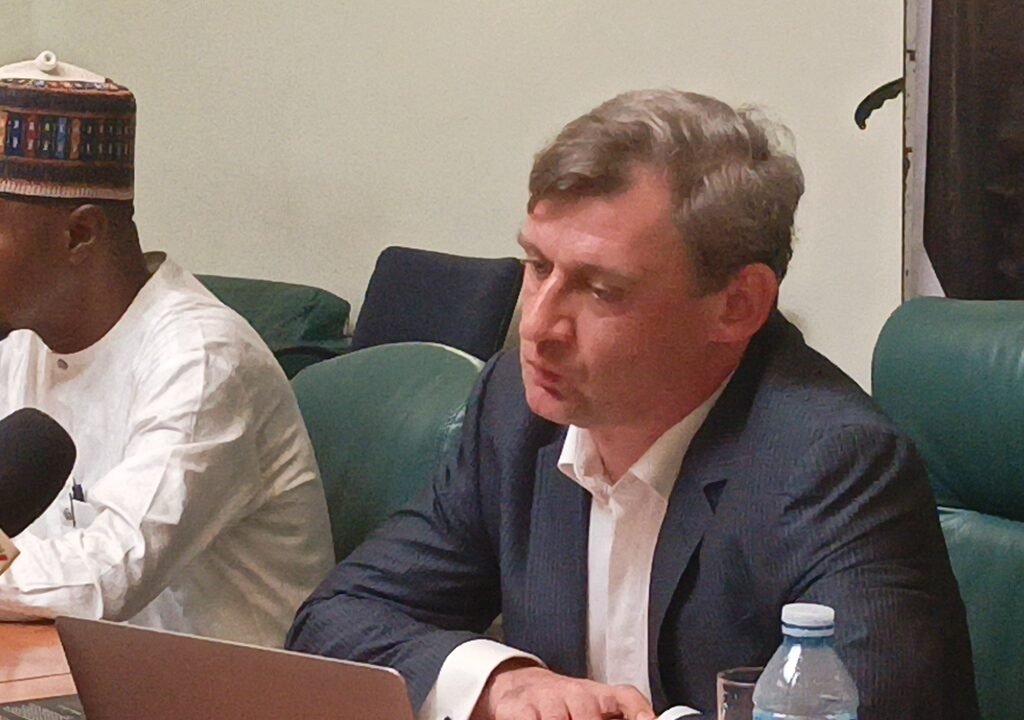
Bianki argues that political personalities, patronage networks and the ambitions of influential individuals continue to shape electoral outcomes.
His analysis of the 2023 election also challenges the assumption that Nigeria operates as a straightforward two-party system, noting that the emergence of Obi and Kwankwaso disrupted established voting patterns.
The election demonstrated that while established political structures remain powerful, new candidates can attract substantial support and reshape political calculations.
For Nigeria, the central question heading into 2027 is whether political competition will produce greater public confidence in democratic institutions or deepen dissatisfaction with the existing system.
Bianki’s assessment ultimately presents Tinubu as the candidate to beat while identifying opposition unity, youth participation, economic conditions and elite rivalries as important variables that could change the contest.
The outcome, however, will depend on developments between now and election day, the choices made by political parties and the willingness of Nigerians to participate in the democratic process.
SOURCE: Valentin Bianki, Politics in Nigeria: Elites and Voters. Analysis based on the supplied excerpts from the book, including its assessment of the 2023 elections and prospects for 2027.