
By Emeka Uga Laz | Abuja
October 20, 2026
The Executive Director of the Policy and Legal Advocacy Centre (PLAC), Clement Nwankwo, has urged Nigerians to channel their frustrations over insecurity, economic hardship and poor governance into active participation in the 2027 general elections.
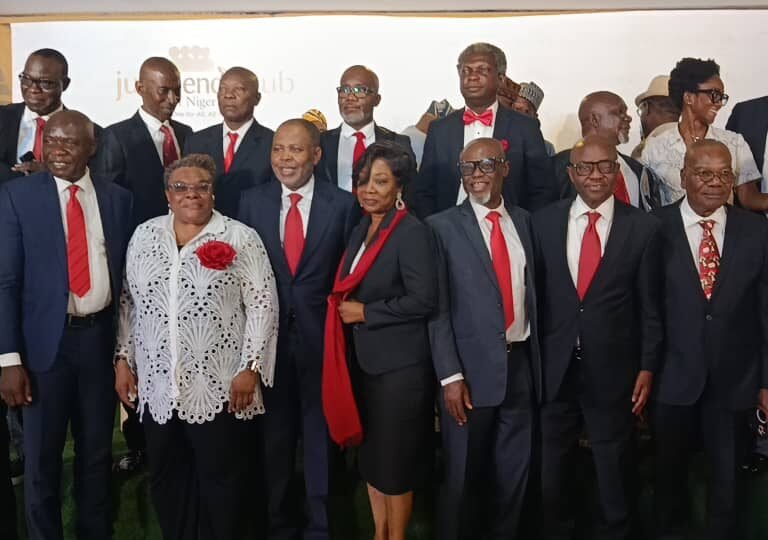
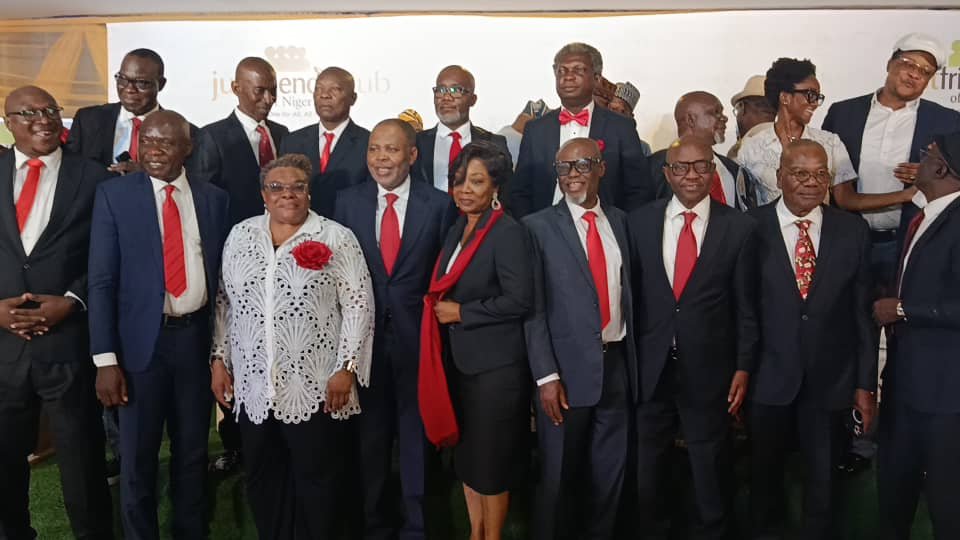
Nwankwo made the call while delivering the keynote address at the eighth annual public lecture of the Just Friends Club of Nigeria (JFCN), held in Abuja on Tuesday.
The lecture, themed “From Concern to Action: Making Our Votes Count in the 2027 General Elections,” focused on the role of citizens in strengthening Nigeria’s democracy and ensuring that elected leaders are held accountable.
Nwankwo urged voters to assess political parties and candidates based on their track records, policy proposals and ability to address the country’s pressing challenges, rather than making electoral choices solely on ethnic, regional or party affiliations.
He also cautioned Nigerians against allowing disappointment with the political system to discourage them from participating in elections.
According to him, political parties must present credible and practical plans for tackling insecurity, improving electricity supply, creating jobs and addressing the rising cost of living.
Nwankwo Advocates Electoral Transparency
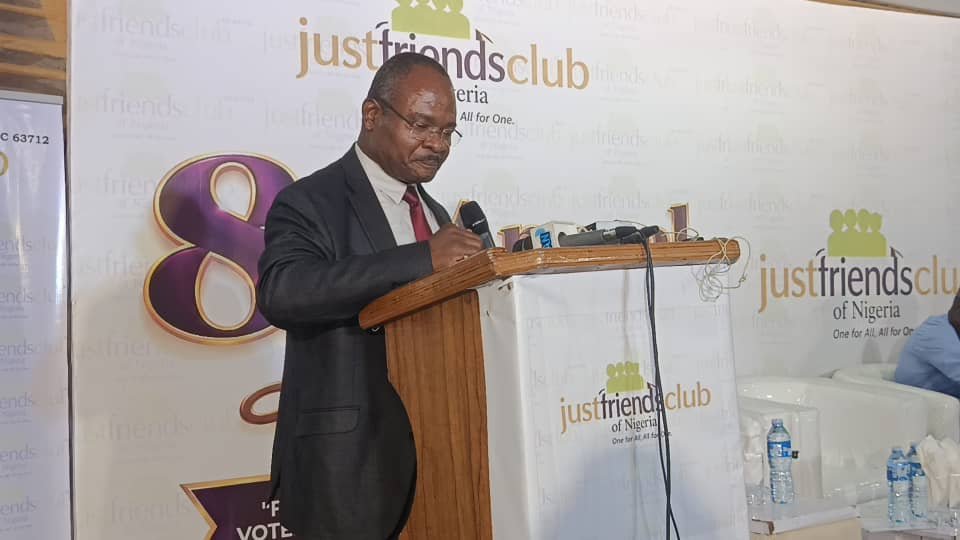
The PLAC executive director stressed the importance of transparency and informed participation in the electoral process.
He encouraged eligible Nigerians to obtain their Permanent Voter Cards (PVCs), familiarise themselves with electoral procedures and support lawful efforts to monitor elections and document irregularities.
He also called on political parties to train their polling agents adequately and ensure that electoral disputes are pursued through appropriate legal channels.
Nwankwo further urged civil society organisations, professional associations, journalists and community leaders to educate citizens about their electoral rights and responsibilities.
He maintained that concerns about electoral credibility should inspire citizens to demand greater accountability and participate more actively in the democratic process, rather than withdraw from it.
CARE Nigeria Director Raises Concern Over Middle-Class Apathy
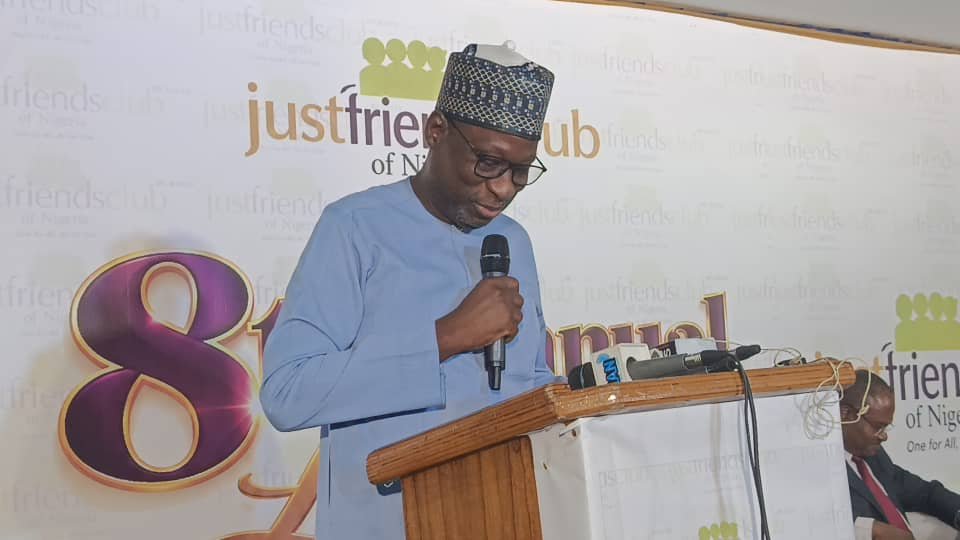
Earlier, the chairman of the occasion and Country Director of CARE Nigeria, Hussaini Abdul, identified the declining collective influence of Nigeria’s middle class as a challenge to democratic development.
Abdul observed that many middle-class Nigerians increasingly relied on private alternatives to public services, including electricity, healthcare, education and water supply, rather than organising to demand improvements in public infrastructure and service delivery.
His remarks highlighted the need for citizens to move beyond individual coping strategies and work collectively to hold public institutions accountable.
JFCN Highlights Community Service
The President of the Just Friends Club of Nigeria, Chief Amaechi C. Aloke, said the organisation’s activities extended beyond its annual public lecture to include humanitarian assistance and community development.
Aloke said the club had made it a tradition to reach out to vulnerable members of society, including older people, orphaned children and children living with disabilities.
He listed previous outreach activities to old people’s homes in Kado, orphanages in Gwarinpa and Kurudu, children with disabilities in Kubwa, and Anawim Homes in Gwagwalada, run by Catholic nuns.
According to him, the organisation remains committed to promoting friendship, solidarity and philanthropy while contributing to the welfare of disadvantaged Nigerians.
The club invited the All Progressives Congress (APC), Peoples Democratic Party (PDP), African Democratic Congress (ADC) and National Democratic Congress (NDC) to nominate representatives for the panel discussion at the event.
Panel Calls for Credible Electoral Dispute Resolution
During the panel session, discussants emphasised that the effective resolution of electoral disputes is essential to the credibility and legitimacy of elections.
They warned that weak dispute-resolution mechanisms, judicial bias or inadequate training of judges could undermine public confidence, destabilise governments and increase the risk of post-election violence.
The panellists called for stronger institutions and collective efforts to make democracy more meaningful to Nigerians.
They also advocated inclusive, open and transparent governance that responds to citizens’ concerns, expands democratic participation and creates more opportunities for young people and women to contribute to public affairs.
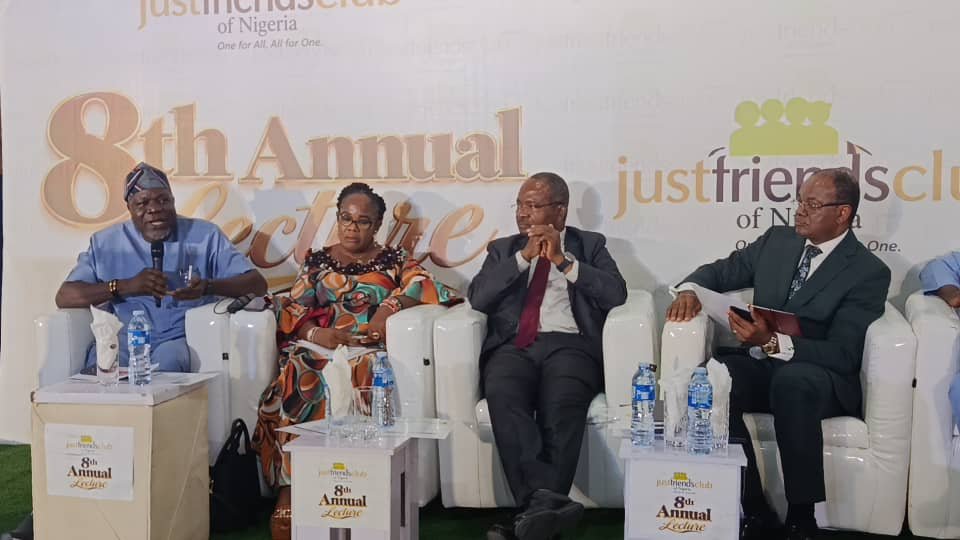
The panel featured Professor Bernard Odoh, a professor of applied geophysics and the National Democratic Congress (NDC) senatorial candidate for Ebonyi Central in the 2027 elections; Dr Chinwe Nnorom, representing the PDP; Augustine Okhirie Agbonseremi, Executive Director of the Progressive Impact Organization for Community Development (PRIMORG); and Nana Kazaure, a former spokesperson for former Vice President Atiku Abubakar.
The session was moderated by Hon. Nimi Walson-Jack, a management development consultant and husband of the immediate past Head of the Civil Service of the Federation, Mrs Didi Esther Walson-Jack.
JFCN’s History of Public Lectures
Since its inaugural public lecture in 2014, the Just Friends Club of Nigeria has hosted several prominent speakers, including Benjamin Ezra Dikki, Tony Ejinkeonye, Dr Abraham Nwankwo, Reverend Father George Ehusani, Professor Chidi Odinkalu, Dr Sam Amadi and retired Lieutenant-General Abdulrahman Dambazau, a former Chief of Army Staff.
The organisation describes itself as a non-profit socio-cultural and philanthropic association that promotes friendship, mutual support, community service and national development.
Its activities include public lectures, recreation, sports and philanthropic initiatives aimed at supporting vulnerable members of society.
Its membership comprises professionals in engineering, communication, accounting, business, law and other sectors of the economy.
Through its annual lecture and community initiatives, the club seeks to promote informed citizenship, responsible leadership and constructive engagement with Nigeria’s political, economic and social challenges.
As the 2027 general elections approach, the message from the lecture was clear: citizens must move beyond expressing dissatisfaction with governance and use their votes, civic participation and lawful demands for accountability to shape the country’s democratic future.