
0-0x0-0-0-{}-0-0#
By Gabriel Ameh
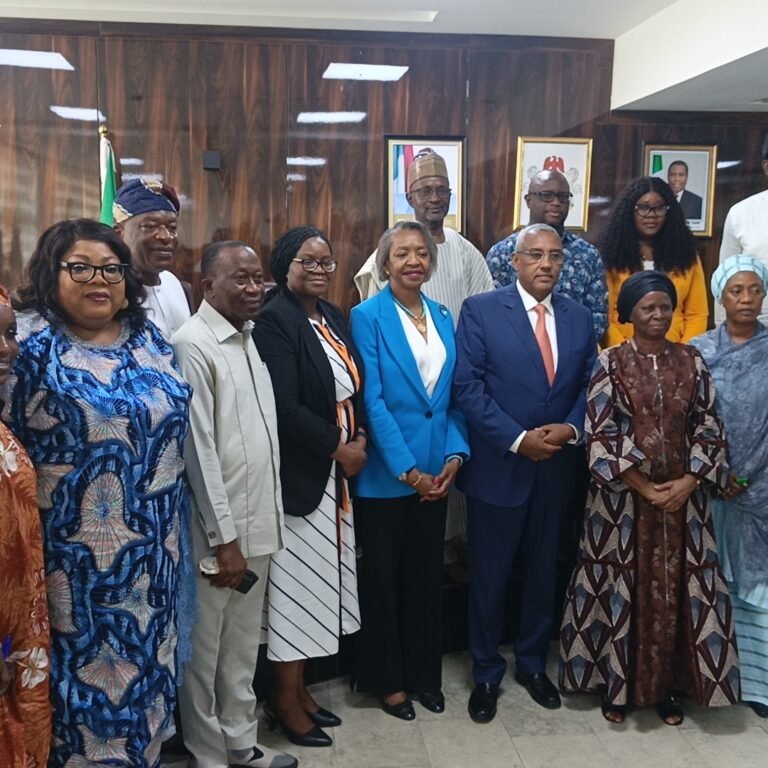
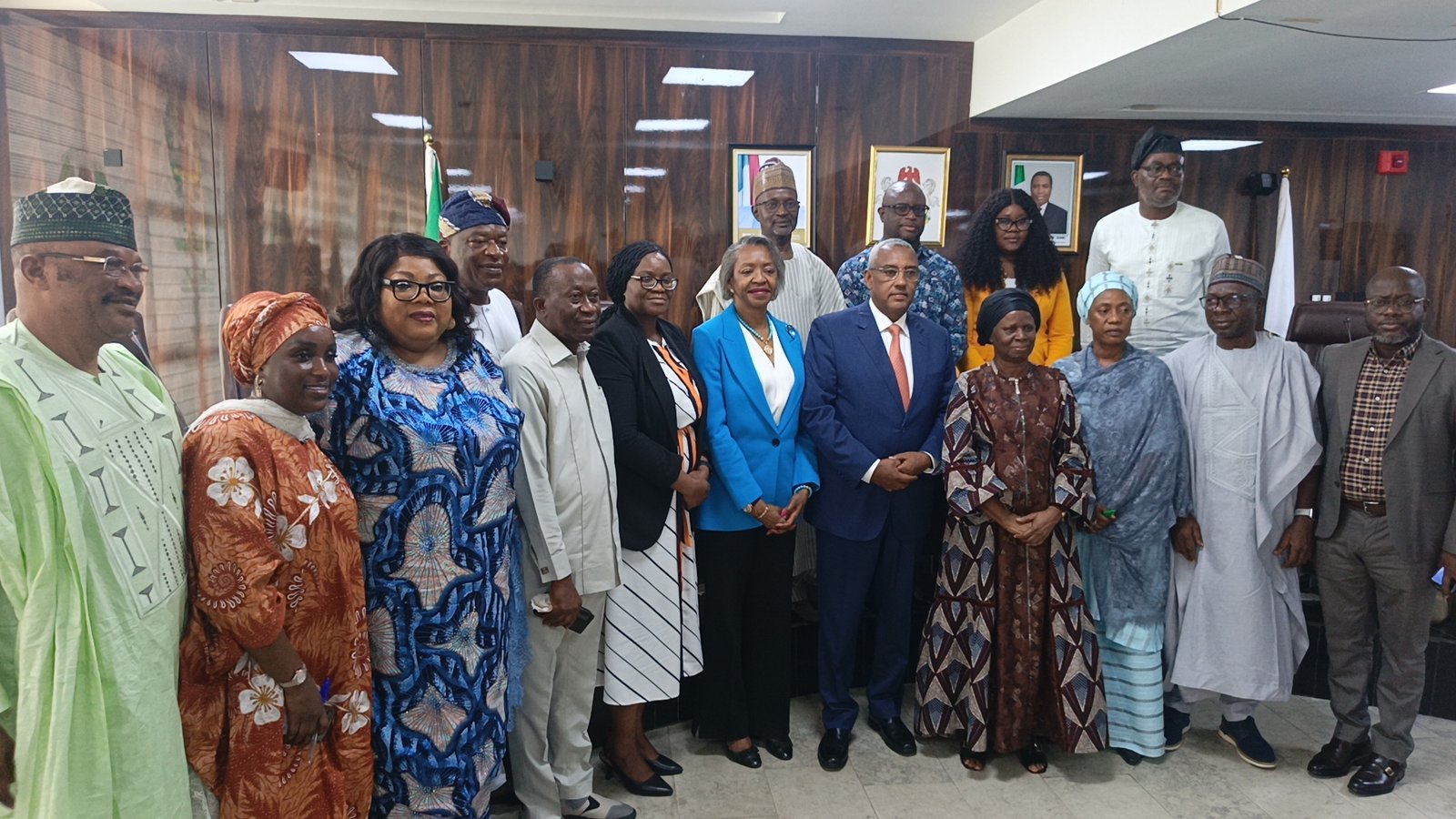
The African Union (AU) has begun a seven-day pre-election and needs assessment mission in Nigeria as preparations intensify for the 2027 general elections.
The mission, which runs from September 13 to 19, 2026, is examining Nigeria’s electoral preparedness, with particular attention on the readiness of the Independent National Electoral Commission (INEC) to deliver credible, transparent, peaceful and inclusive elections.
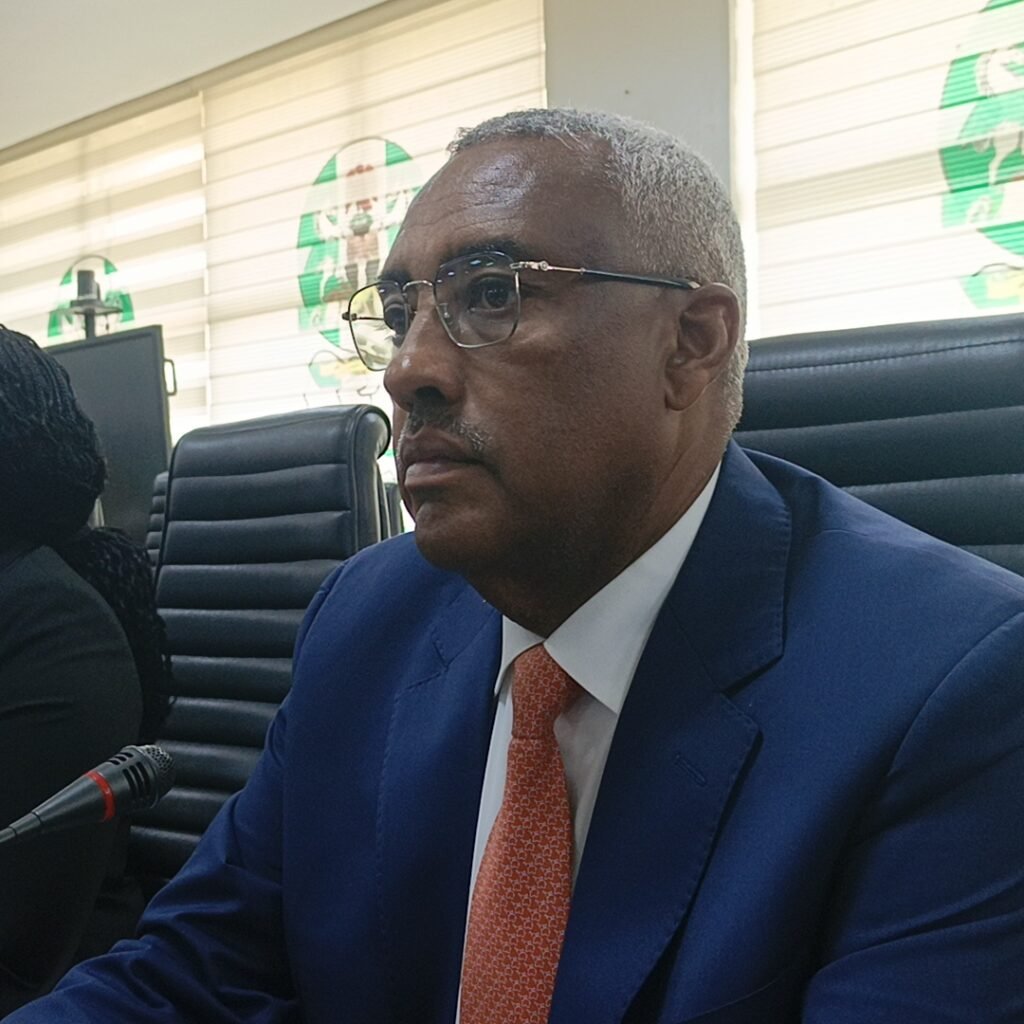
The assessment is being led by former Ethiopian Deputy Prime Minister and Minister of Foreign Affairs, Demeke Mekonen Hassen.
The AU said the exercise is designed to identify potential gaps in Nigeria’s preparations and provide recommendations that could strengthen the country’s ability to conduct credible elections.
Nigeria is preparing for a large-scale electoral exercise involving a projected electorate of almost 100 million registered voters, 176,846 polling units and more than 1.4 million ad hoc personnel.
The presidential and National Assembly elections are scheduled for January 16, 2027, while governorship and State Houses of Assembly elections are scheduled for February 6.
AU Examines Entire Electoral Cycle
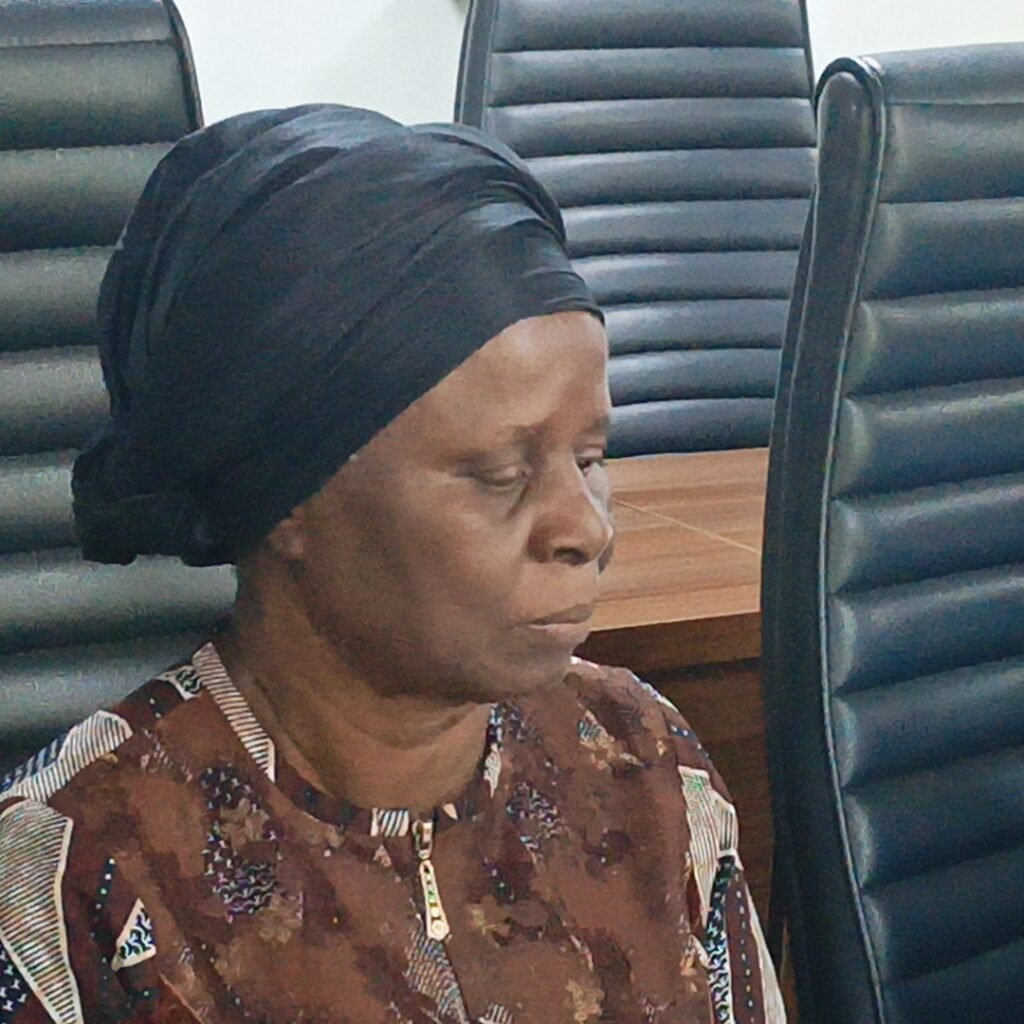
Speaking during the assessment, Hassen said the mission would examine the entire electoral cycle — from preparations before election day to polling operations and the management of results.
He stressed that the credibility of an election is largely determined by the quality of preparations made before voters arrive at polling units.
The AU delegation is therefore examining several critical areas, including the credibility of the voter register, electoral technology, logistics, funding, inclusion, transparency, security coordination and results management.
The mission is also looking into unresolved legal and administrative issues that could affect the elections and measures aimed at protecting INEC’s institutional independence while ensuring effective coordination with security agencies.
Voter Register Under Spotlight
One of the major areas of interest is Nigeria’s voter register, particularly as the number of registered voters approaches the 100-million mark.
The AU delegation is seeking assurances that the register will be comprehensive and credible and that political parties, civil society groups and other stakeholders will have adequate opportunities to scrutinise it before the elections.
The issue has gained additional attention amid INEC’s collaboration with the National Identity Management Commission (NIMC) on the integration of National Identification Numbers into the Continuous Voter Registration process.
The collaboration is expected to strengthen voter identification and verification, improve the auditing and cleaning of the register and reduce vulnerabilities that could undermine confidence in the electoral roll.
INEC Highlights Lessons From Recent Elections
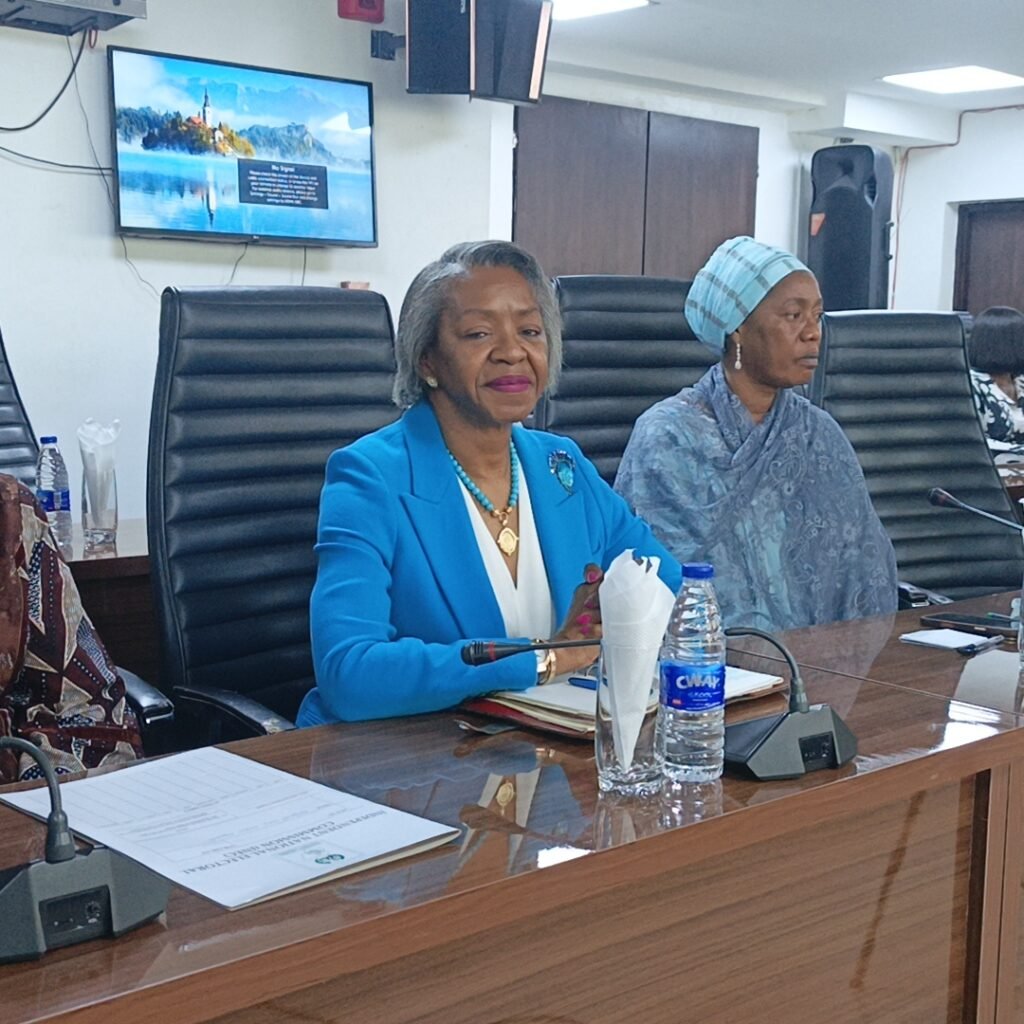
Responding to the AU assessment, INEC, represented by National Commissioner Prof. Rhoda Gumus on behalf of the Chairman, Professor Joash Amupitan, highlighted recent off-cycle elections as opportunities the commission has used to test and improve its systems ahead of 2027.
Gumus cited the August 15, 2026 Osun State governorship election as an important operational benchmark.
According to her, more than 94 percent of polling units opened early during the election, while the performance of the Bimodal Voter Accreditation System (BVAS) was described as optimal.
She also highlighted the deployment of the INEC Results Viewing (IRV) portal to address operational issues encountered during the election and improved coordination among security agencies through the Inter-Agency Consultative Committee on Election Security Matters.
Gumus said elections in Anambra, the Federal Capital Territory, Ekiti and other locations had similarly provided opportunities for INEC to test its systems, identify weaknesses and refine procedures in line with the Electoral Act 2026.
1.4 Million Election Workers
The scale of the 2027 elections means INEC will have to recruit, train and deploy more than 1.4 million temporary election personnel.
The commission has identified the management and training of this workforce as an area where technical support from the AU could improve efficiency.
INEC is seeking AU assistance in digital training, e-learning programmes, simulation exercises and standardised information and communications technology training for ad hoc personnel.
The commission said better preparation of election workers would be essential to ensuring that electoral procedures are applied consistently across the country.
AI Deepfakes, Disinformation Raise Concern
Another emerging concern is information integrity, particularly the use of artificial intelligence to create deceptive content capable of influencing voters and damaging confidence in electoral institutions.
INEC is seeking technical cooperation from the AU to strengthen its ability to detect and respond to election-related disinformation, including AI-generated deepfakes and manipulated content.
The commission is also seeking support for rapid-response communication mechanisms capable of identifying and countering false narratives before they spread and threaten electoral credibility or public order.
AU Assesses Inclusion and Gender Participation
The assessment also covers the inclusiveness of Nigeria’s electoral process.
INEC has requested support for capacity-building programmes and operational workshops for its Election Monitoring and Support Centre, as well as technical assistance on inclusion and gender mainstreaming.
The commission said particular attention would be paid to groups that have historically faced barriers to political participation, including persons with disabilities, internally displaced persons, women and young people.
INEC also plans to strengthen monitoring of political parties’ compliance with gender-related requirements.
The commission maintained that technological improvements and operational efficiency must be matched by measures that make elections accessible to all eligible citizens.
Funding, Security and Logistics
Funding and logistics are also key issues before the AU delegation.
Hassen sought clarity on whether INEC would receive adequate and timely funding to implement its electoral programme and the measures being taken to address logistical challenges that could affect the movement of election personnel and sensitive materials.
The AU is also seeking assurances that security arrangements for 2027 will adequately protect voters, candidates, election officials and other stakeholders without compromising INEC’s constitutional independence.
The mission is examining how INEC and security agencies will coordinate their responsibilities while maintaining the neutrality and autonomy of the electoral process.
Results Management Under New Legal Framework
The AU delegation is also examining how election results will be transmitted, managed, verified and published under Nigeria’s new legal framework.
Particular attention is being paid to transparency, integrity and the timely declaration of results.
Hassen described the AU mission as a supporting and preventive exercise rather than an attempt to take over Nigeria’s electoral responsibilities.
He said the objective was to identify potential risks early enough for relevant institutions to take corrective action before election day.
According to him, credible elections require a level playing field, broad citizen participation, transparency and results capable of earning the confidence and acceptance of political actors and citizens.
INEC assured the AU delegation of its full cooperation throughout the assessment.
The commission pledged to provide access to relevant operational data, directors and technical teams to enable the AU to conduct a comprehensive assessment of Nigeria’s preparedness for the 2027 elections.