
0-0x0-0-0-{}-0-0#
By Gabriel Ameh
📍Abuja/Abidjan | March 30, 2026
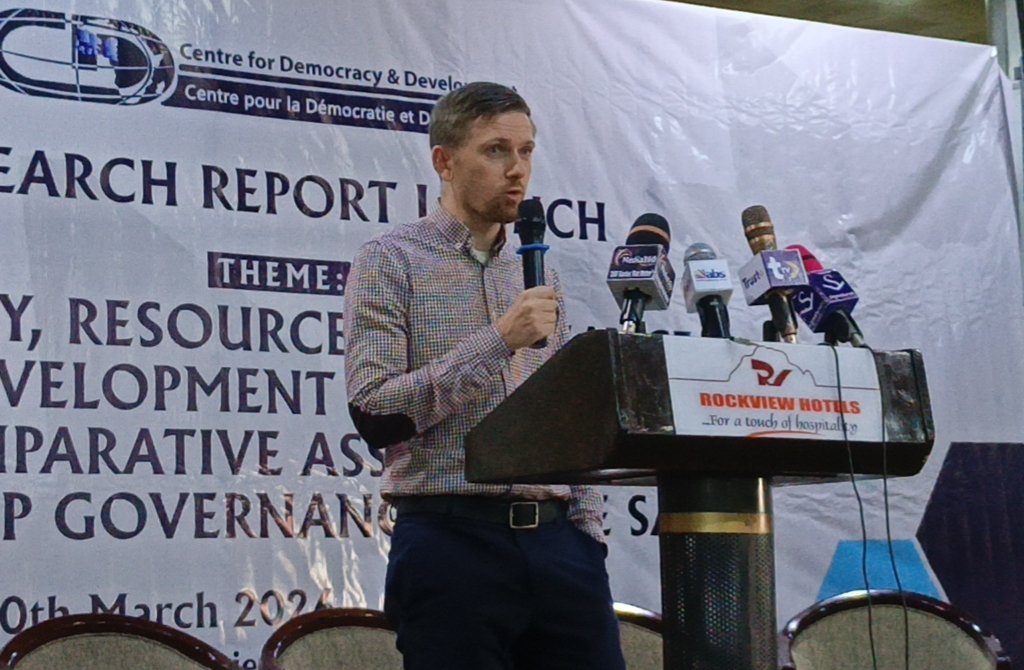
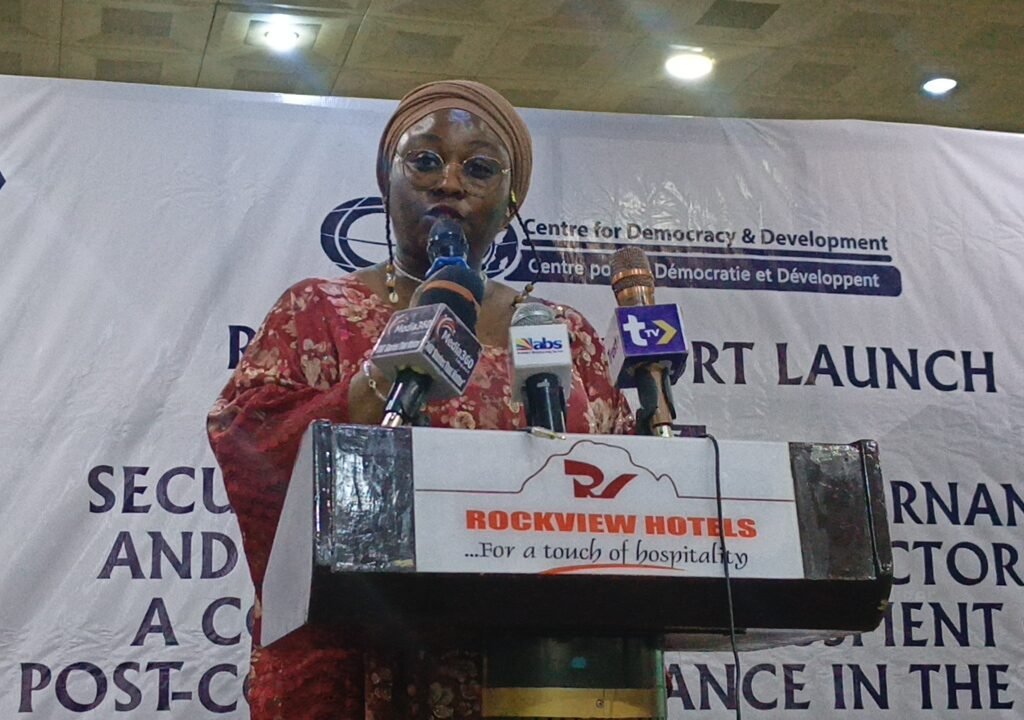
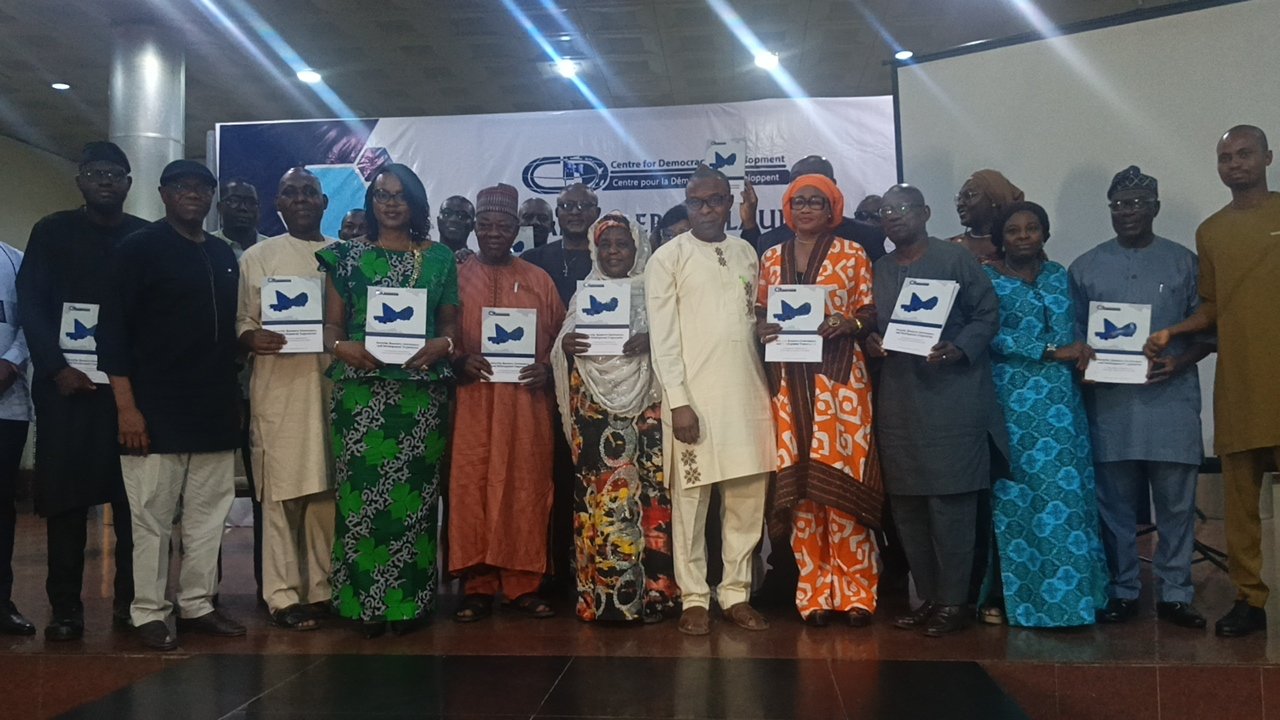
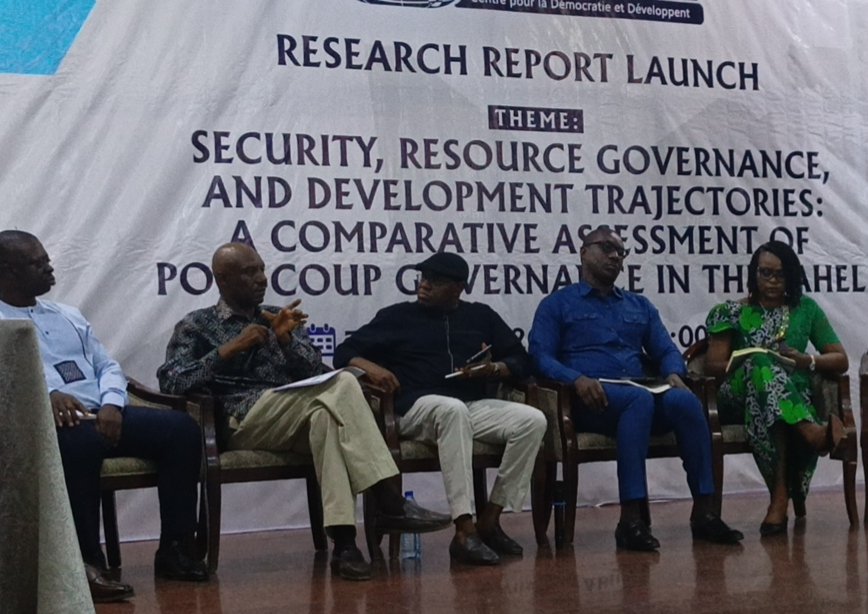
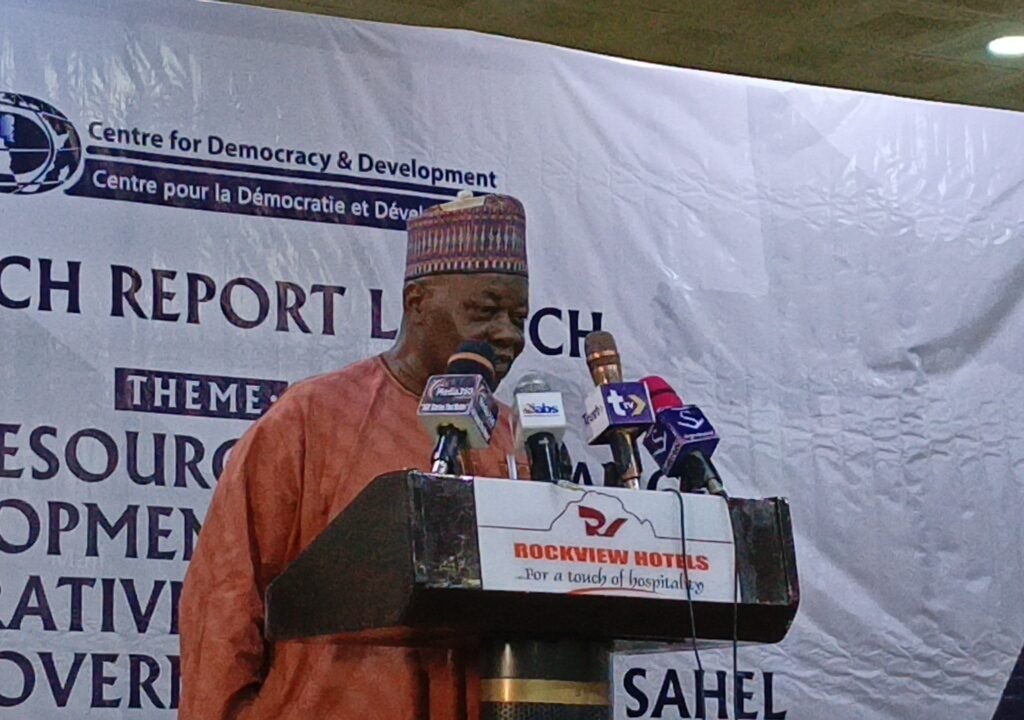
A new report by the Centre for Democracy and Development (CDD-West Africa) has revealed a sharp rise in anti-ECOWAS narratives and pro-military messaging across West Africa, driven by coordinated online campaigns.
The study, conducted in partnership with the Observatoire Ivoirien des Droits de l’Homme (OIDH), analysed more than 30,000 digital publications over a three-month period and found evidence of a structured effort to reshape public opinion on governance and regional cooperation.
Coordinated Push Against ECOWAS
According to the report, ECOWAS has become a central target of online disinformation, with thousands of posts portraying the regional bloc as a tool of foreign influence rather than an independent African institution.
These narratives gained traction during key political developments, including sanctions and diplomatic interventions, with content volumes rising significantly during such periods.
The report notes that accusations of “double standards” have been widely circulated, particularly in comparisons between ECOWAS’ response to military coups and its handling of constitutional changes in other member states.
Military Governments Gain Digital Support
Researchers also identified a surge in content promoting military-led governments in Mali, Niger, and Burkina Faso. These countries, now aligned under the Alliance of Sahel States (AES), are increasingly presented online as defenders of sovereignty and alternatives to democratic governance.
High engagement levels across platforms, especially short-form video apps, suggest that these narratives are resonating with large audiences across the region.
Foreign Influence and Narrative Amplification
The report further highlights the role of external actors, particularly Russian-linked networks, in amplifying these messages. Content associated with Russian media and affiliated accounts showed patterns of coordination, often aligning with major diplomatic events.
Such narratives are frequently repackaged and circulated within local information ecosystems, making them appear organic and locally driven.
Democratic Risks Deepen
CDD warns that the growing acceptance of military rule and the erosion of trust in regional institutions could have long-term consequences for democracy in West Africa.
The report stresses that while these campaigns exploit genuine public frustrations such as insecurity, corruption, and governance failures their coordinated nature poses an added threat to democratic stability.
Without urgent reforms and credible responses, the study cautions that the region may face deeper institutional decline and increased vulnerability to external influence.