
By Gabriel Ameh
China has called for a more balanced global trading system built on shared prosperity, wider market access, investment cooperation and technological innovation.
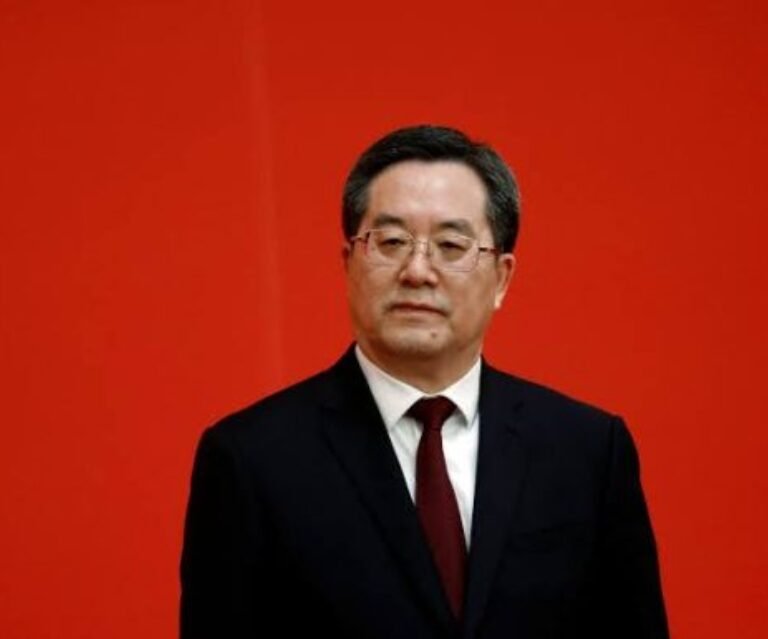
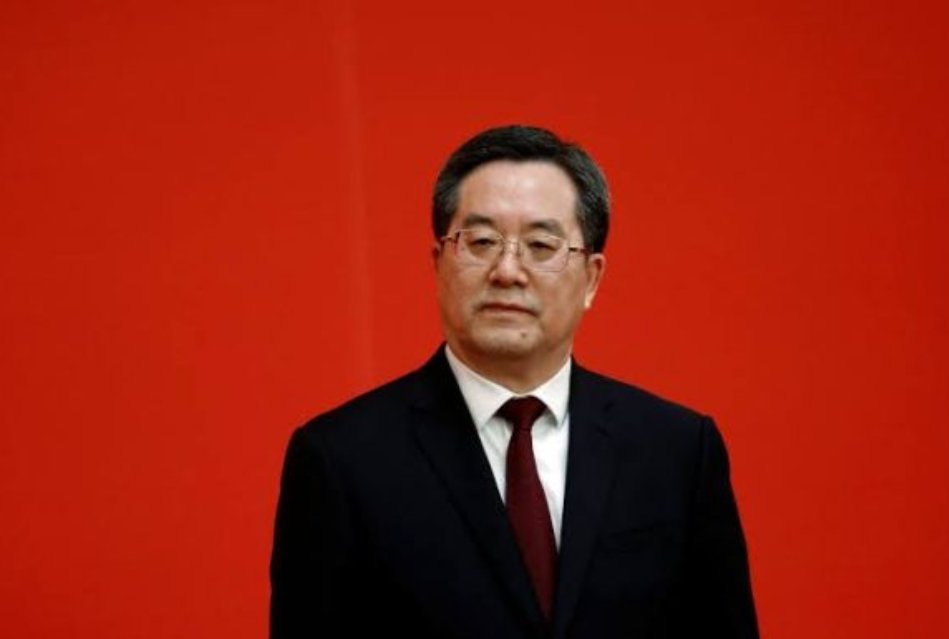
Chinese Vice-Premier Ding Xuexiang made the appeal on Thursday at the opening ceremony of the ninth China International Import Expo (CIIE) in Shanghai, which runs from November 5 to 10 under the theme, ‘New Era, Shared Future’.
Ding said countries must prioritise cooperation and expand economic opportunities rather than resort to protectionism, unilateralism and restrictive trade policies.
He called for stronger international trade relations through open markets, deeper industrial cooperation, technological innovation and sustained dialogue among nations.
According to him, China’s commitment to expanding imports and opening its vast consumer market demonstrates its determination to promote inclusive economic globalisation.
Ding disclosed that China’s imports increased by 22.3 per cent in the first three quarters of 2026, outpacing export growth by nearly six percentage points.
He added that China had maintained its position as the world’s second-largest importer of goods for 17 consecutive years, serving as a major export destination for nearly 80 countries.
The vice-premier also highlighted China’s reduced average tariff level of 7.3 per cent and its zero-tariff policy for eligible African countries.
He further pointed to the removal of foreign investment access restrictions in the manufacturing sector and expanded opportunities in services trade and cross-border data flows.
At the event, Austrian Chancellor Christian Stocker called for stronger economic engagement between China and Europe, emphasising fair competition and mutually beneficial partnerships.
Stocker said more than 650 Austrian companies were operating successfully in China, describing the Asian country as Austria’s most important trading partner in the region.
He maintained that economic openness remained essential to prosperity, urging countries to resolve disagreements through constructive dialogue rather than allow differences to damage international relationships.
Gabonese President Brice Clotaire Oligui Nguema also used the platform to invite Chinese investors to explore opportunities in his country’s industrialisation and economic diversification programmes.
He identified timber, manganese, iron ore, agriculture, energy, digital infrastructure, renewable energy and local pharmaceutical production as sectors offering investment opportunities.
Nguema said Gabon was prioritising the domestic processing of raw materials to strengthen local industries, create employment and accelerate economic transformation.
He also highlighted the country’s Enghok Special Economic Zone, investment incentives, political stability and strategic Atlantic coastline as advantages for international investors.
Meanwhile, United Nations Development Programme (UNDP) Administrator Alexander De Croo stressed that the benefits of international trade should go beyond commercial transactions and economic figures.
He argued that trade should be measured by its impact on employment, poverty reduction, industrial development and environmental sustainability.
De Croo said access to international markets alone would not guarantee economic progress for developing countries without adequate productive capacity, industrial development, skills acquisition and technology transfer.
He warned that approximately 1.2 billion young people would enter the global labour market within the next 15 years, making the creation of decent employment opportunities increasingly urgent.
He urged governments and businesses to ensure that international trade creates sustainable livelihoods, empowers women and girls, reduces greenhouse gas emissions and provides meaningful opportunities for younger generations.
The discussions highlighted a common position among the leaders that international trade must become a stronger instrument for inclusive development, industrial growth and shared prosperity.
The ninth CIIE, which opened on November 5, has attracted participants from 162 countries, regions and international organisations.
The exhibition covers more than 440,000 square metres and features 4,142 overseas exhibitors, over 480 debut products and more than 300 Fortune Global 500 companies and industry leaders.
Established in 2018, the CIIE is the world’s first national-level exhibition dedicated to imports. It provides an international platform for businesses and governments to explore trade opportunities, showcase products and strengthen economic partnerships.
Shanghai’s position as China’s major economic, financial, industrial, shipping and technology hub further strengthens its role as host of the annual international trade exhibition.