

By Gabriel Ameh
The Federal Government has called for stronger collaboration among government institutions, schools, families, civil society organisations and other stakeholders to improve mental health support for adolescents and young people in Nigeria.
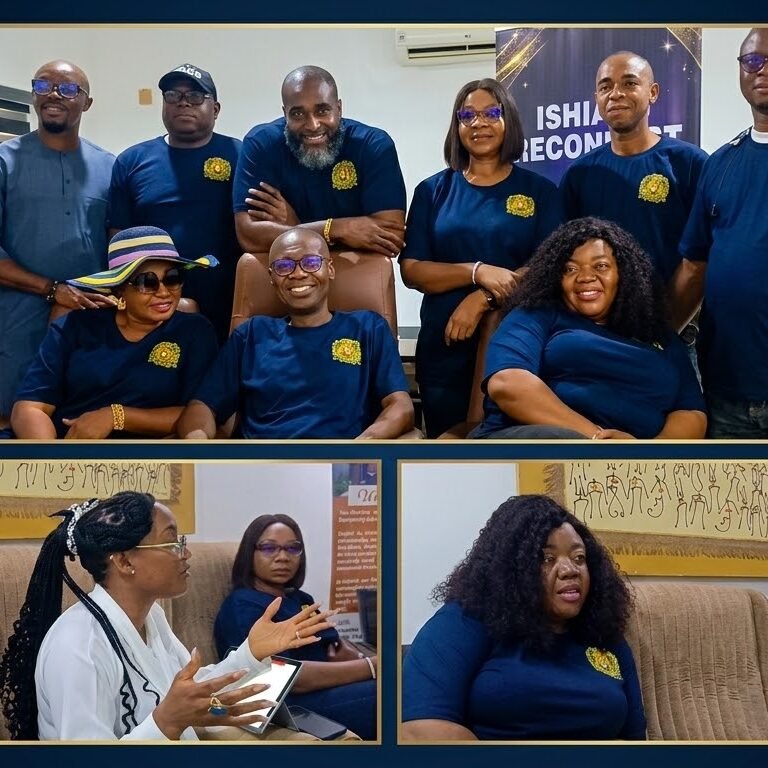
The call was made at the gala and dinner award night organised by the Initiative for Self-Esteem Education and Advocacy (ISEEA) to mark the conclusion of the National Adolescent and Youth Mental Health Week 2026.
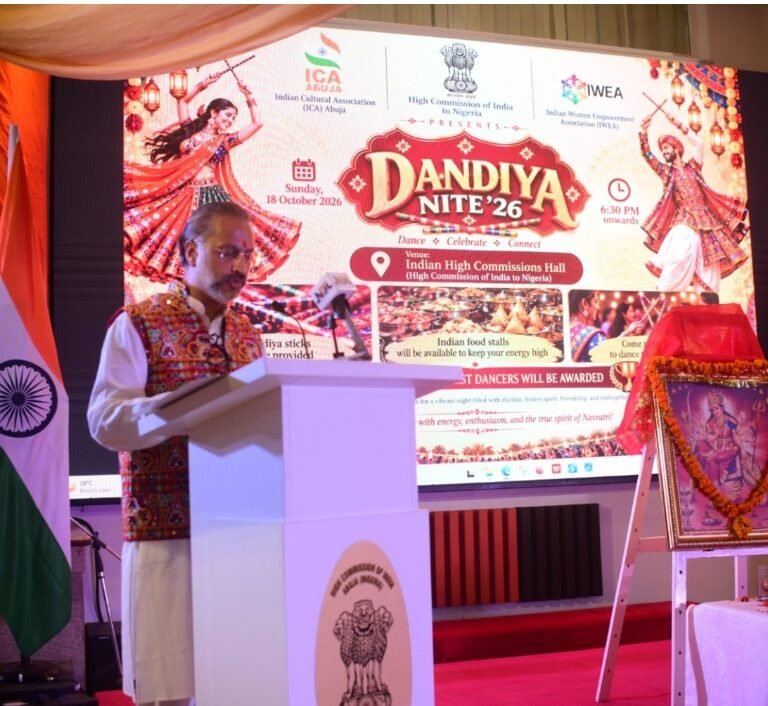
Speaking on behalf of the Minister of Youth Development, Comrade Ayodele Olawande, the ministry’s representative, Mr Olanipekum Akinwumi Adebayo, said the mental health and emotional well-being of young Nigerians were fundamental to national development.
He noted that young people represent the country’s energy, creativity, innovation and future potential, adding that their ability to learn, build meaningful relationships, participate productively in society and contribute to the economy is closely linked to their mental well-being.
Adebayo identified academic pressure, unemployment, family difficulties, substance use, cyberbullying, social isolation, violence and challenges associated with digital and social media as some of the pressures confronting adolescents and young people.
He also expressed concern about the stigma, discrimination, misconceptions and limited access to mental health services that prevent some young people from seeking assistance.
According to him, mental health difficulties should not be regarded as signs of weakness, while seeking help should never be a source of shame.
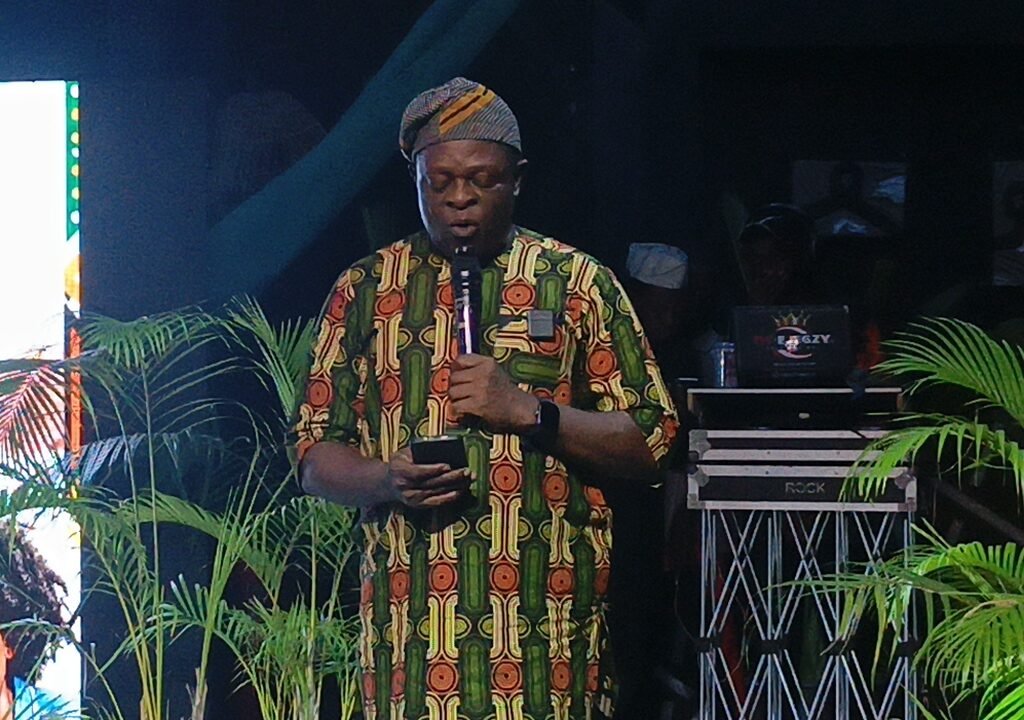
He called for supportive environments in homes, schools, communities, workplaces and digital spaces where young people can speak openly about their challenges and receive appropriate assistance with dignity, compassion and respect.
The ministry representative emphasised that the government could not address youth mental health challenges alone, stressing the need for sustained partnerships involving caregivers, educators, healthcare professionals, traditional and religious leaders, civil society organisations, development partners, the private sector, the media and young people themselves.
He urged stakeholders to measure the success of the National Adolescent and Youth Mental Health Week by the conversations sustained, stigma challenged, services strengthened and lives positively affected beyond the activities.
Adebayo also reassured young Nigerians that their feelings were valid, their voices deserved to be heard and their mental health mattered.
ISEEA Founder Calls for Lasting Commitment to Youth Mental Health
Founder and Chief Executive Officer of ISEEA, Rosemary Ochiwu, said the organisation’s commitment to adolescent and youth mental health advocacy was rooted in her personal experience with emotional distress and low self-esteem during her teenage years.
Ochiwu disclosed that she had attempted suicide as a teenager after years of emotional pain, an experience that shaped her understanding of the importance of emotional well-being and strengthened her determination to support young people facing similar challenges.
She said no young person should have to navigate emotional distress alone or feel undeserving of love, support and opportunities because of their struggles.
According to her, the activities organised during the week, including community mental health outreaches and the National Action Forum, were designed to move beyond conversations towards collaboration, commitment and meaningful action.
Ochiwu said the initiative sought to recognise individuals and organisations creating safe spaces, challenging harmful stereotypes, advocating better policies and supporting vulnerable communities.
She stressed that the impact of the week should not be measured solely by the events organised but by what stakeholders do after the programme ends.
She challenged stakeholders to consider whether schools would become more supportive, referral pathways for professional help would improve, parents and teachers would be better equipped to recognise emotional distress, and mental health services would become more accessible to young people.
Ochiwu also called for sustained investment in programmes and policies that protect adolescents and young people, regardless of their circumstances.
Ambassador Phil Roberts Commends ISEEA’s Use of Creativity
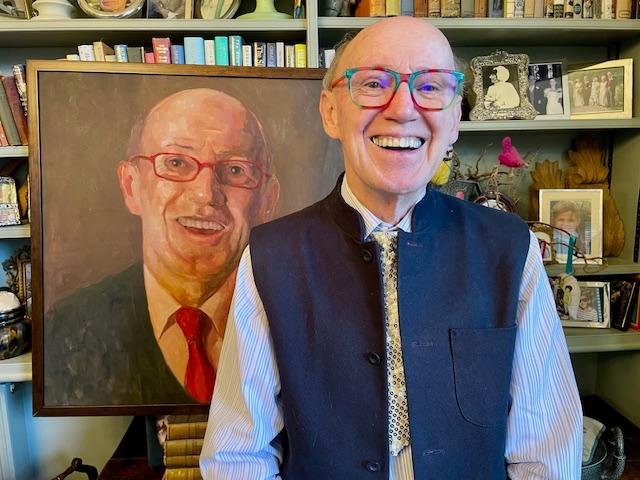
Ambassador Phil Roberts, who described himself as Nigeria’s Global Tourism Investment Promoter, commended ISEEA for using the creative industry to communicate the importance of mental health awareness.
Roberts, who attended the event as a representative of Cross River State Governor Bassey Otu on National Assembly matters, said the initiative demonstrated the creativity of Nigerians and the potential of artistic expression to address social challenges.
He noted that creative works could help communicate difficult issues, encourage public engagement and make conversations about mental health more accessible.
Roberts congratulated Ochiwu for using creativity as a tool to tell stories about mental health and encouraged attendees to appreciate the individuals contributing to the initiative.
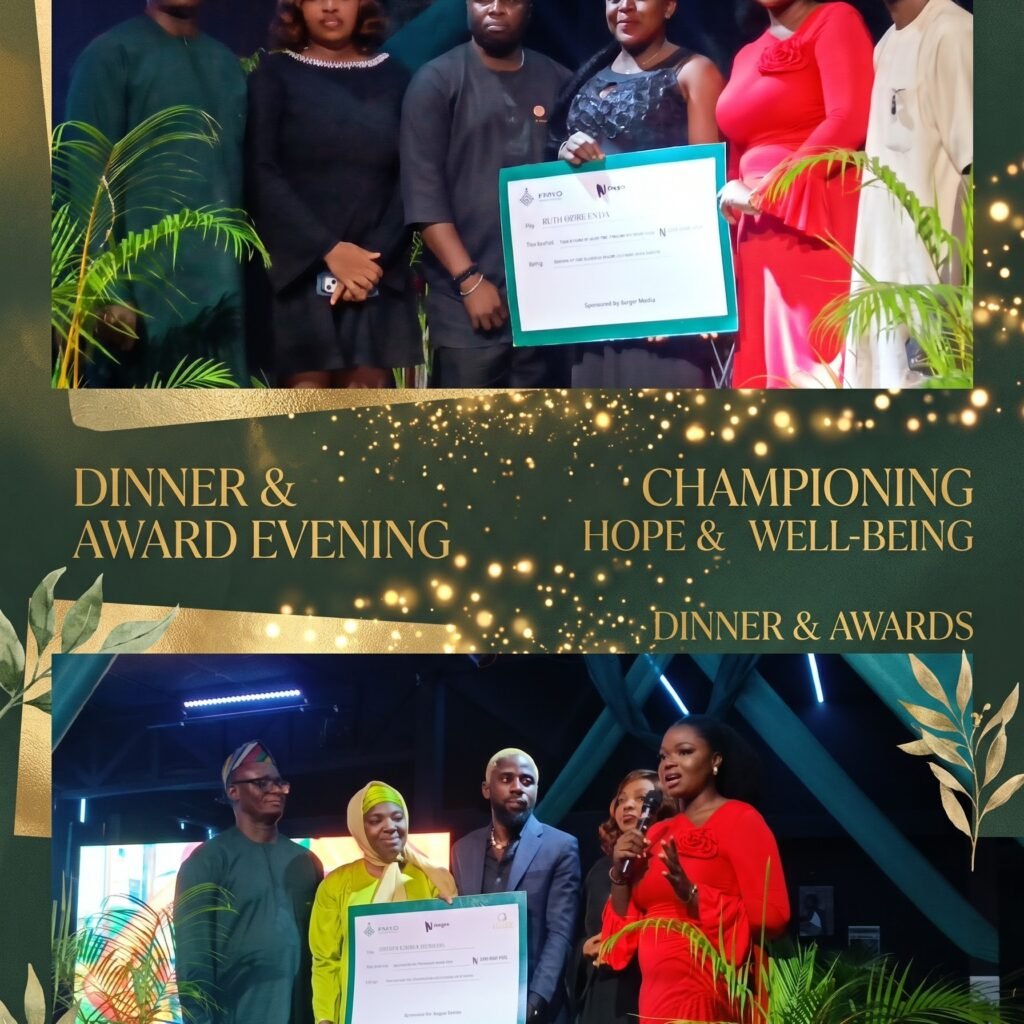
Ruth Uzube Enya Wins Creative Minds Award
Ruth Uzube Enya emerged as the winner of the Creative Minds Award at the event, earning recognition for her creative contribution to adolescent and youth mental health advocacy.
Speaking after receiving the award, Uzube Enya said she felt excited and honoured that her work had been recognised and appreciated.
She explained that her entry was inspired by the importance of creating an environment where people can express their feelings and be confident that others are willing to listen.
According to her, people sometimes remain silent about their emotional struggles not because they have nothing to say, but because they are uncertain whether the person listening will genuinely care about their experiences.
She stressed that encouraging people to speak up must go hand in hand with preparing others to listen without dismissing their concerns.
Uzube Enya urged people experiencing emotional difficulties not to suppress their feelings but to share them with someone they trust.
She also called on individuals who ask others whether they are fine to demonstrate a genuine willingness to listen rather than treating such questions as mere formalities.
She expressed hope that her creative work would encourage greater openness, vulnerability and understanding around mental health.
Moses Doshodepo Uses Art to Celebrate Youth Resilience
Painter and human rights activist Moses Doshodepo emerged as the second runner-up in the creative competition.
Speaking after the recognition, Doshodepo said his entry was inspired by the resilience of Nigerian young people who continue to strive for survival despite economic hardship and difficult living conditions.
He explained that he wanted to portray the determination of young Nigerians who continue to work towards a better future despite the challenges confronting them.
Doshodepo cited the experiences of people engaged in physically demanding jobs and other daily struggles as examples of the resilience he sought to capture in his painting.
He said the artwork was inspired by a young boy he observed while studying. After sketching the boy, he used the image as the basis for his creative entry.
The artist added that he uses his work to advocate for disadvantaged and vulnerable people, noting that artistic expression can serve as a tool for drawing attention to social issues.
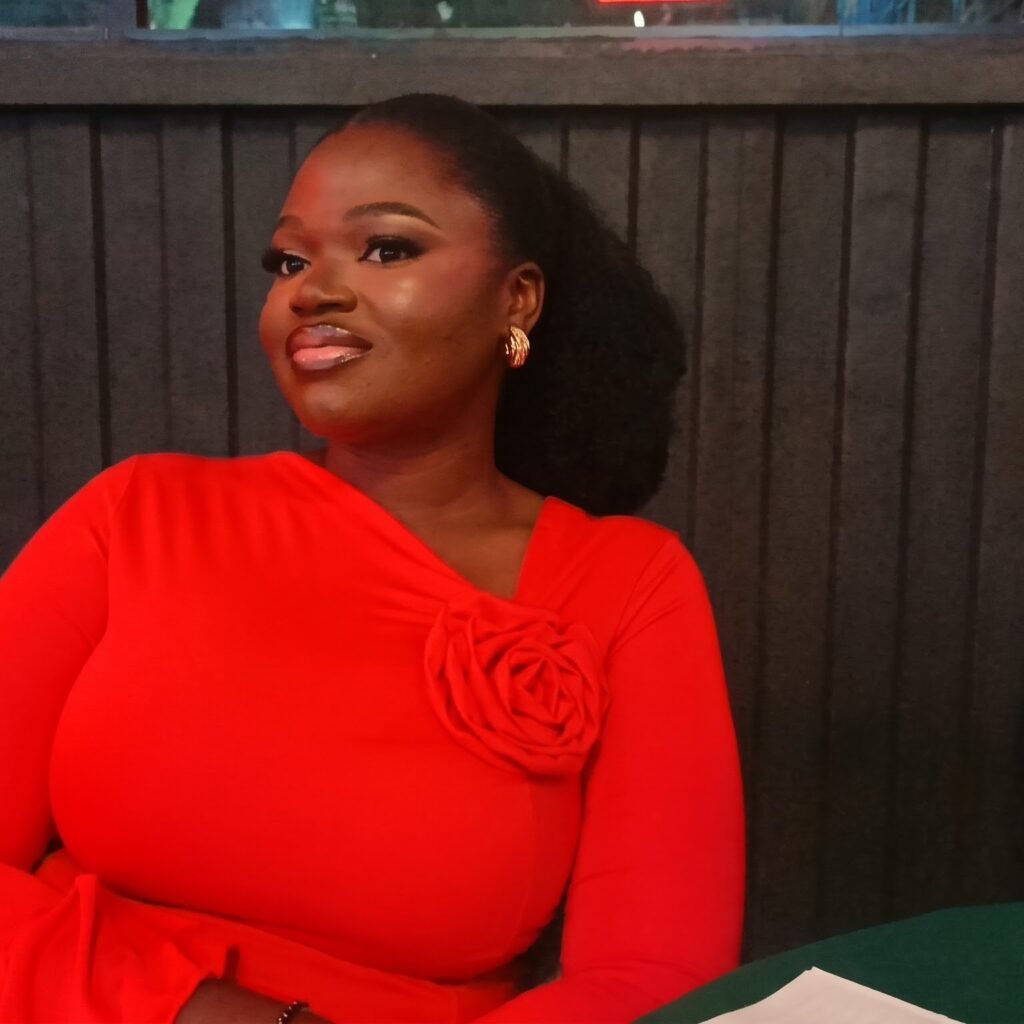
ISEEA Founder Urges Stakeholders to Sustain Mental Health Advocacy
In her closing remarks, Ochiwu urged stakeholders to sustain the momentum generated by the National Adolescent and Youth Mental Health Week 2026 and translate awareness into practical support for young people.
She said the week had reinforced the importance of listening to young people, recognising their struggles and creating opportunities for them to access appropriate support.
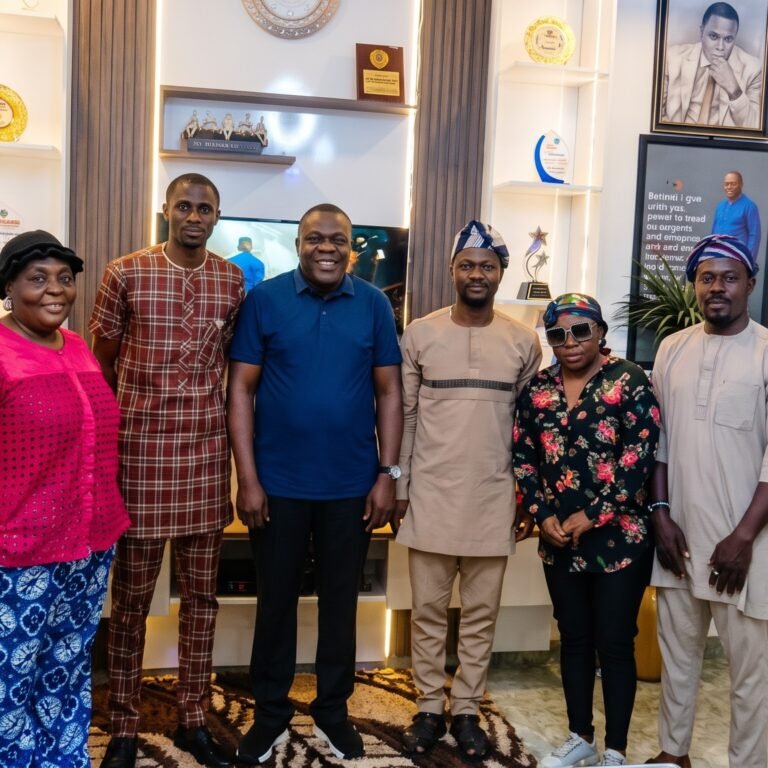
Ochiwu expressed appreciation to the Federal Ministry of Youth Development for partnering with ISEEA to convene the initiative.
She also thanked the corporate sponsors, partners, award recipients and other stakeholders whose contributions supported the activities.
Addressing young people, she emphasised that their experiences and voices mattered and that their mental health deserved attention.
She urged stakeholders to ensure that the initiative’s impact extended beyond the awards night through stronger policies, supportive institutions, improved access to mental health services and continued community engagement.
The gala and dinner marked the conclusion of the week’s activities, with organisers calling for sustained collaboration to create environments where adolescents and young people can seek help without fear of stigma or discrimination.
The event reinforced a central message: improving youth mental health requires more than awareness campaigns. It demands consistent support from families, schools, communities, government institutions and society at large.