

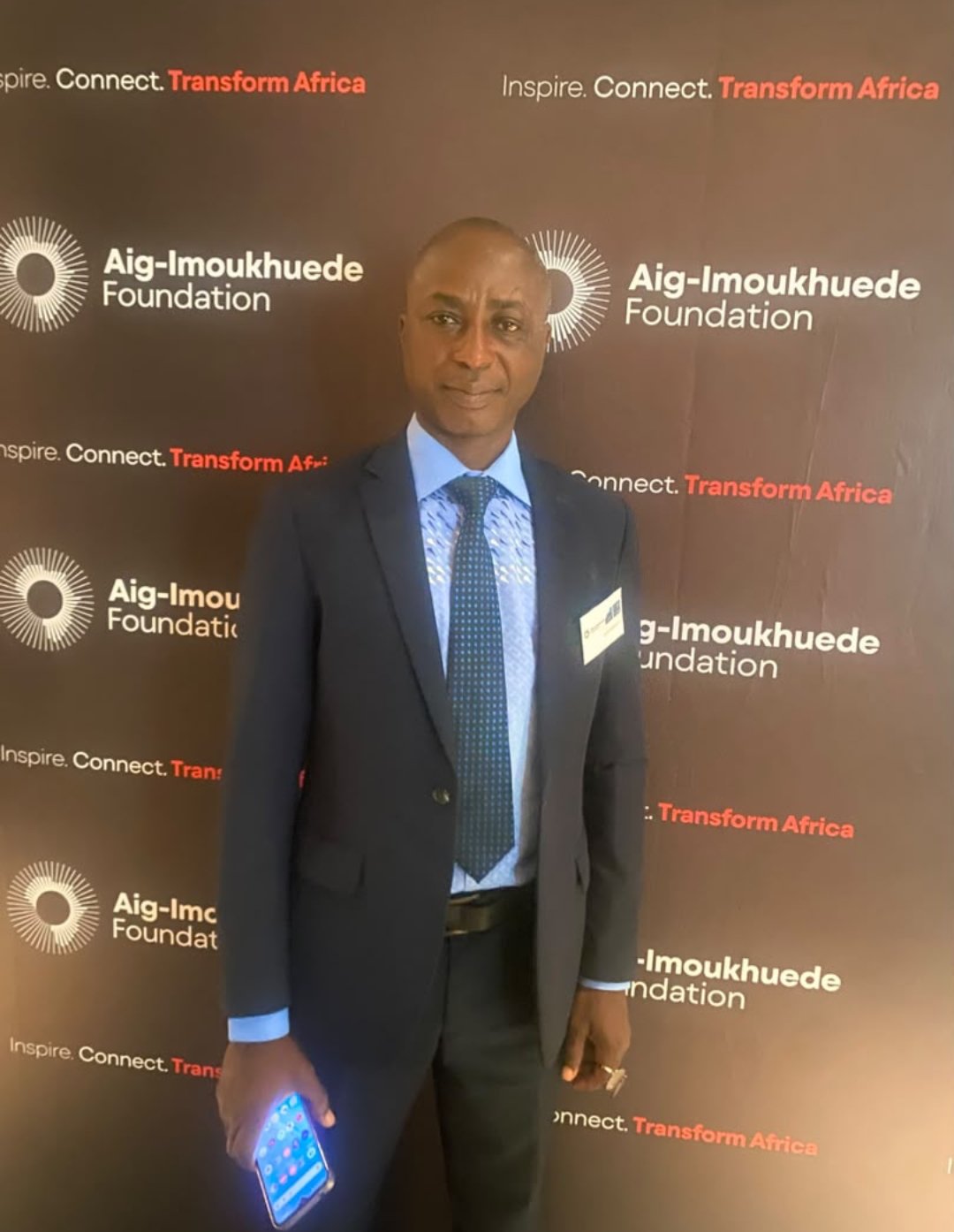
By Gabriel Ameh
Public sector reforms can fail to deliver meaningful results when government institutions focus on approving policies and creating new structures without building the trust, collaboration and commitment needed to implement them, Dr Adewunmi Ade Adeyemi has said.
Adeyemi, Deputy Director of Forestry at the Ministry of Agriculture and Food Systems, said successful institutional transformation requires more than technical solutions, stressing the importance of understanding stakeholders, addressing legitimate concerns and keeping public interest at the centre of reform efforts.
In a reflection titled “Lessons from the Frontline of Public-Sector Transformation: A Practitioner’s Reflection on Moving from Design to Delivery,” Adeyemi explained that the real challenge of reform begins when policies encounter established procedures, competing interests and the people responsible for implementation.
He said the success of a reform depends not only on the quality of its design but also on how effectively individuals and institutions work together to translate ideas into practical outcomes.
His position aligns with the theme of the Aig-Imoukhuede Foundation’s Public Sector Convening, “Unblocking Reform: From Design to Delivery.”
Resistance to Reform Can Reveal Important Gaps
Adeyemi noted that government institutions operate within established professional cultures, administrative procedures and relationships that can influence how reforms are received.

He said concerns raised by public servants during institutional changes should not automatically be interpreted as resistance to progress.
According to him, some objections may reflect genuine concerns about changing responsibilities, the relevance of existing expertise, administrative complications or unintended consequences that were not adequately considered during the design stage.
He argued that reform leaders must listen carefully to stakeholders to distinguish between concerns requiring attention, assumptions needing clarification and interests that must be managed.
Adeyemi maintained that listening to feedback does not weaken reform but can improve implementation by helping decision-makers understand the practical realities within government institutions.
He also cautioned against rushing institutional changes simply to demonstrate quick results, noting that inadequate consultation and poor communication can create unnecessary anxiety, misunderstanding and opposition.
He said stakeholders should understand what is changing, why the change is necessary and how the transition will affect their responsibilities.
For him, effective consultation is not an excuse to delay reform but a way to build understanding while maintaining progress.
Transparency and Trust Are Essential
The forestry official identified transparency as another important requirement for successful public sector transformation.
He explained that limited information can encourage speculation and uncertainty, potentially weakening confidence in reform initiatives.
According to him, communicating the problems a reform seeks to solve, the evidence supporting it, its expected outcomes and the implementation process can help stakeholders participate more constructively.
Adeyemi said communication should be integrated into reform planning from the beginning rather than introduced after major decisions have already been made.
He also described trust as essential to sustainable institutional change, warning that implementation becomes more difficult when public servants believe reforms are intended to redistribute influence or resources rather than improve public service.
He said reform leaders must explain their decisions, listen to different perspectives and recognise the contributions of those responsible for putting new policies into practice.
Adeyemi further argued that reforms should not be presented as the personal achievements of individual leaders.
Instead, he said, attention should remain on the public problems being addressed and the improvements citizens stand to gain.
He maintained that institutional transformation is most effective when ownership rests with the public service and the people it exists to serve.
Collaboration Can Improve Policy Implementation
Adeyemi stressed that public sector transformation cannot succeed through the efforts of a single reform leader or institution.
He said sustainable change requires political and administrative leadership, technical expertise, cooperation across government institutions and the participation of public servants who understand everyday operational challenges.
According to him, officials involved directly in implementation often identify practical obstacles that may not be obvious during policy design.
Their experience, he said, can help government anticipate potential failures, identify workable solutions and make necessary adjustments.
He also highlighted the importance of peer learning among public servants, particularly in addressing common challenges such as bureaucratic inertia, fragmented responsibilities, limited resources and resistance to change.
Adeyemi said reform-focused gatherings provide opportunities for practitioners to exchange experiences and learn from both successful initiatives and implementation difficulties.
He described such engagements as valuable platforms for identifying practical lessons that can help public institutions improve their reform processes.
Reform Leaders Must Focus on Lasting Results
Reflecting on his experience, Adeyemi said he increasingly views the role of a reform leader as that of a steward responsible for building trust, connecting institutions and protecting the public interest.
He explained that effective reform leadership involves remaining open to feedback and improving implementation strategies without losing sight of the problem the reform was designed to solve.
According to him, success should be measured by lasting institutional improvements rather than personal recognition.
Using Lagos as an example, Adeyemi noted that climate change, population growth, pressure on land and environmental challenges require government institutions to continually assess whether existing arrangements remain adequate.
He said institutional reforms become necessary when established systems can no longer respond effectively to emerging challenges, adding that changes must be supported by credible plans for achieving better outcomes.
Adeyemi acknowledged that the journey from policy design to implementation is rarely straightforward, often requiring consultation, learning, adjustments and sustained stakeholder engagement.
He stressed that approving a policy or announcing a new organisational structure does not necessarily mean a reform has succeeded.
The real test, he said, is whether government institutions become more effective, coordinated, efficient and responsive to citizens.
Adeyemi concluded that unblocking reform does not mean eliminating every disagreement but creating enough trust and shared purpose for stakeholders to resolve differences constructively.
He said treating stakeholders as partners, using feedback to improve implementation and encouraging institutional ownership can help bridge the gap between policy design and delivery.
Ultimately, he maintained, sustainable public sector transformation depends on sound policies, capable institutions, committed leadership and a shared determination to deliver better outcomes for citizens.
Source: Dr Adewunmi Ade Adeyemi, Deputy Director of Forestry, Ministry of Agriculture and Food Systems.