
By media360impact
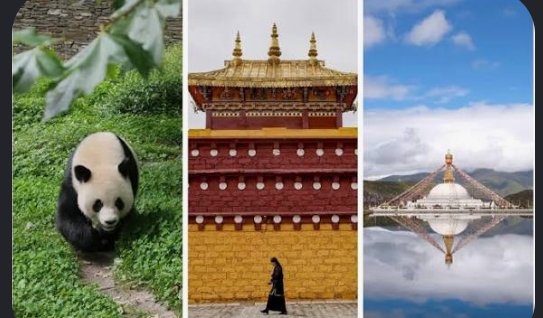
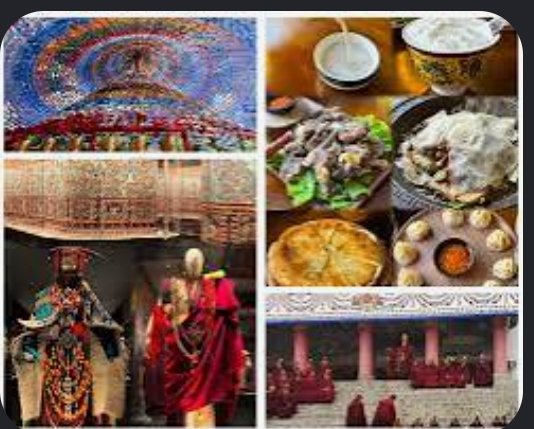
Qinghai, a vast province on China’s Qinghai-Xizang Plateau, offers visitors a distinctive combination of dramatic landscapes, traditional cuisine, ethnic culture and centuries-old craftsmanship.
Although the region has relatively few major cities and a sparse population across its expansive landscape, Qinghai is rich in food, local products and cultural traditions that reflect the lives of communities living on the plateau.
From handmade noodles and fermented barley to beef and lamb dishes, jade crafts and traditional artworks, the province provides visitors with a different perspective on China beyond its major cities.
Qinghai Cuisine: A Taste of the Plateau
Qinghai cuisine is known for its combination of mellow, spicy, crisp, tender, sour and hot flavours.
Its food culture carries influences associated with northern Chinese cooking while also reflecting the spice of Sichuan cuisine and the natural ingredients available across the plateau.
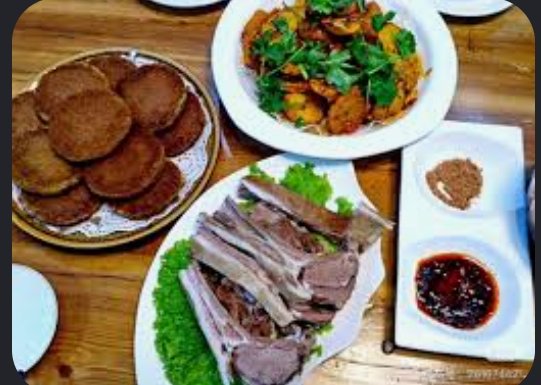
Beef and lamb are among the major ingredients used in local dishes, reflecting the importance of livestock to many communities in the region.
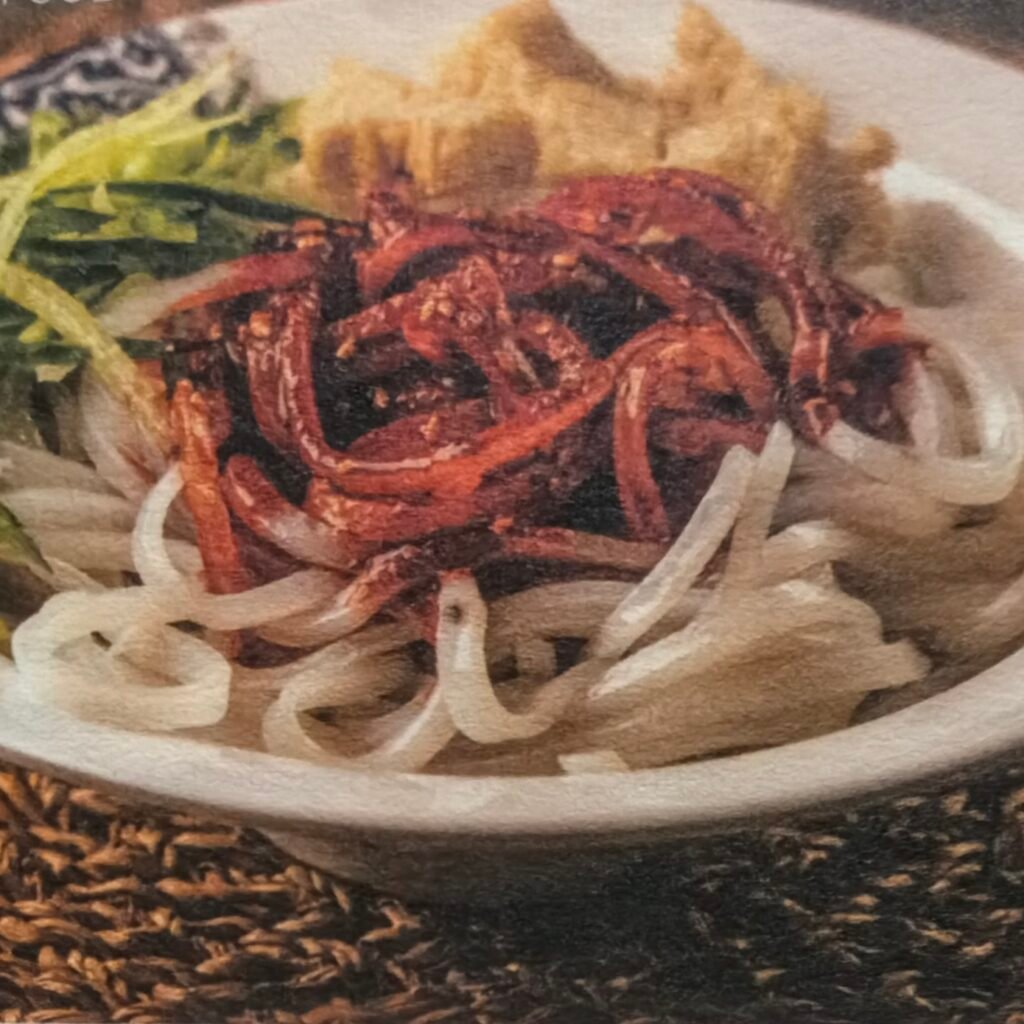
One of Qinghai’s popular home-style foods is Gamianpian, a traditional handmade noodle dish.
The dough is kneaded and stretched before being torn into small pieces and cooked. Depending on the preparation, the noodle pieces may be served with mutton broth, diced mutton, tomatoes and green radish.
Other versions combine the noodles with beef or mutton, tofu, vegetables and vermicelli, while stir-fried variations are also popular.
The simple preparation allows the dish to take different forms and flavours while retaining its traditional character.
Sweet Fermented Barley
Another traditional food is Tianpei, a sweet fermented barley dish made mainly from highland barley.
The barley is soaked, cleaned and boiled before being cooled and mixed with sweet yeast. It is then sealed and allowed to ferment for several days.
The finished product is soft, cool and sweet, with a distinctive fermented taste.
Highland barley is an important ingredient in the food culture of the Qinghai-Xizang Plateau and is also used to produce traditional beverages.
Steamed Beef Tendons
Steamed beef tendon is another local specialty, particularly associated with Hui community banquets in Qinghai.
The preparation involves cleaning and treating the beef tendon before it is boiled and steamed until tender.
The cooked tendon is cut into strips and seasoned with ingredients including pepper, Chinese prickly ash, salt, soy sauce and chilli powder.
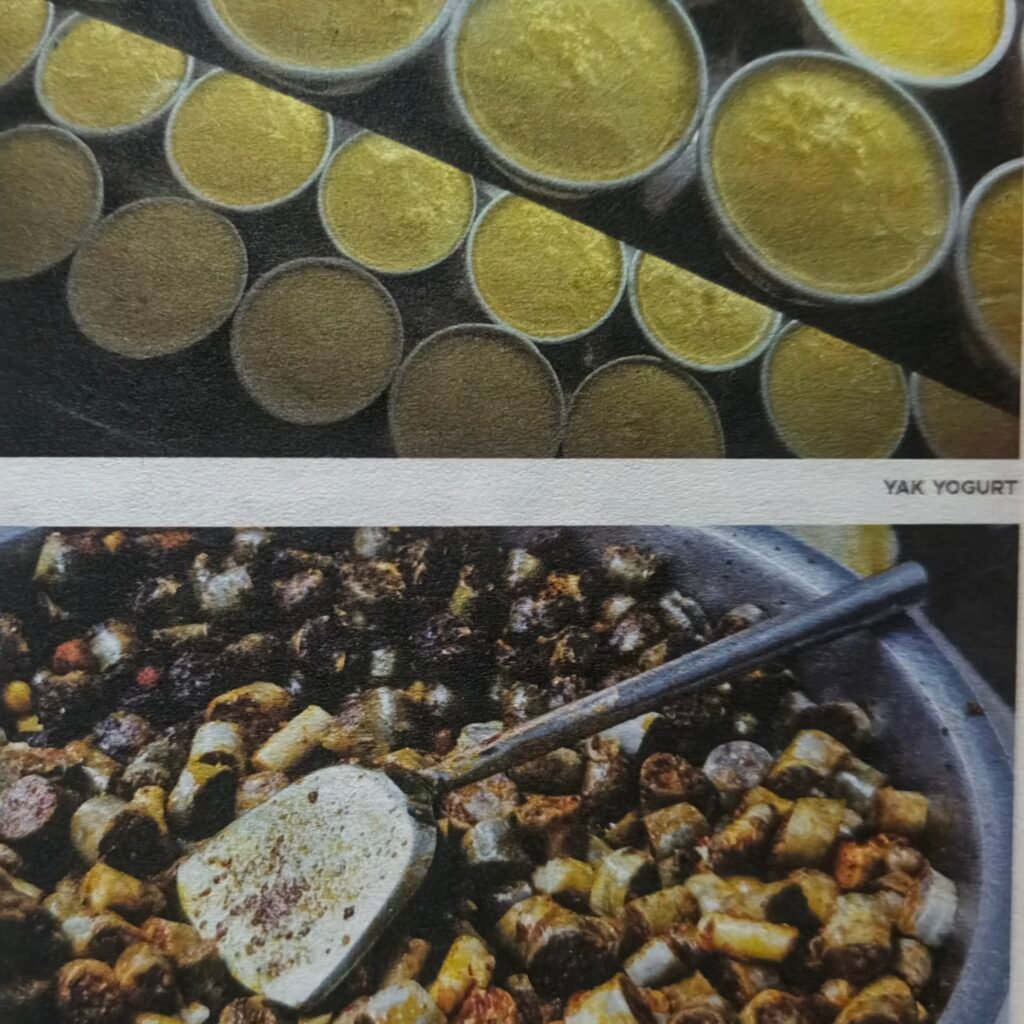
It may then be served with fresh beef soup, coriander and minced garlic.
The dish demonstrates the importance of meat-based cuisine in Qinghai and the detailed preparation techniques that form part of the region’s culinary traditions.
Fazi Rafts: A Food With a Story
Qinghai also has foods whose names are linked to the region’s history.
Fazi rafts are named after traditional sheepskin rafts once used for transportation by herders along the upper reaches of the Yellow River.
The edible version uses sheep ingredients mixed with flour and seasonings. The mixture is stuffed into cleaned small intestines, sealed and steamed.
Its unusual name and preparation provide an example of how Qinghai’s food culture is connected to the region’s pastoral traditions and history.
Traditional Crafts of Qinghai
Qinghai’s cultural identity extends beyond food.
The province has a long tradition of handicrafts, including carpets, pottery, embroidery, wool products, shadow puppets, Thangka art, stone carving and jade crafts.
Many of these products reflect the artistic traditions of the different communities that have lived across the plateau.
One of the best-known local products is Kunlun jade, which comes from the Kunlun Mountains in Qinghai.
Kunlun jade gained national attention after Qinghai jade was selected for use in the medals of the 2008 Beijing Olympic Games.
The jade occurs in several colours, including white, green-white, green, smoky green, emerald and sugar-coloured varieties.
Yak and Sheep Head Crafts
Yak and sheep head crafts are another distinctive form of Qinghai artwork.
The horns and skulls of mountain yaks and sheep are carefully selected and transformed into decorative pieces and ornaments.
Their distinctive shapes and symmetrical horns make them recognisable examples of traditional plateau craftsmanship.
Beyond their decorative value, the artworks also reflect the importance of livestock and pastoral life in the cultural heritage of western China.
Cordyceps: A Famous Plateau Product
Qinghai is also associated with Cordyceps sinensis, traditionally known in China as chongcao or “worm-grass.”
The unusual organism results from an interaction between a fungus and the larva of a moth species, giving it its distinctive appearance.
Cordyceps has a long history of use in traditional Chinese medicine and is regarded as a valuable high-altitude natural product.
Traditional medicinal claims surrounding Cordyceps should, however, be distinguished from modern clinical evidence.
Qingke Liquor and Highland Barley
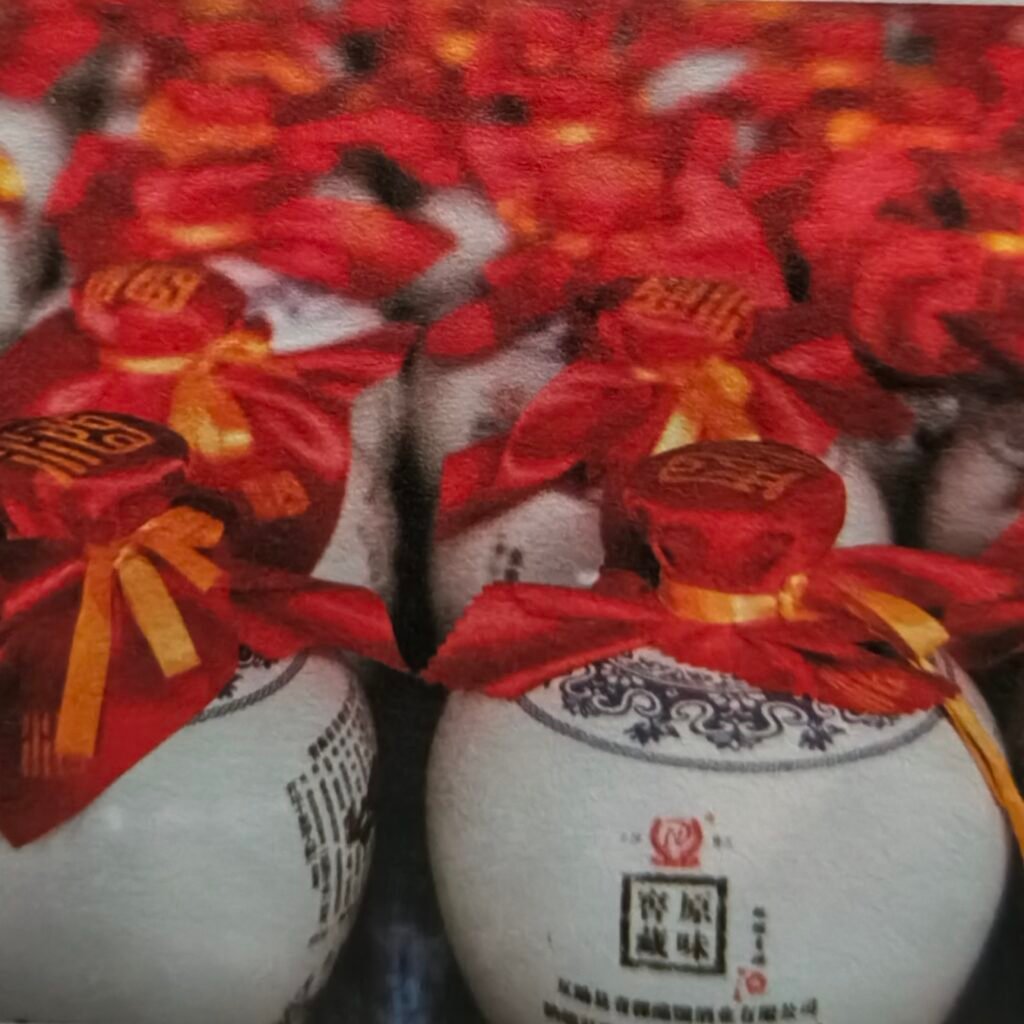
Highland barley is also used to produce Qingke liquor, sometimes called highland barley wine.
The drink is made from barley grown on the Qinghai-Xizang Plateau and forms part of the traditional food and social culture of Qinghai.
Huzhu County is particularly associated with Qingke liquor production, including the well-known Huzhu Qingke Jiu.
The drink reflects the long-standing relationship between the plateau’s agricultural products and its traditional brewing culture.
Potentilla Anserina: The ‘Ginseng Fruit’
Another local product is Potentilla anserina, a perennial wild plant sometimes known as “ginseng fruit.”
Its tubers contain starch and other nutrients and have traditionally been used in local foods.
They can be incorporated into porridge, steamed cakes and other dishes, demonstrating how plants growing in the plateau environment have become part of Qinghai’s culinary traditions.
A Different Side of China
For travellers, Qinghai offers more than spectacular mountain and plateau scenery.
Its food, crafts and local products provide a window into the history and everyday lives of communities living in one of China’s most distinctive geographical regions.
From a bowl of handmade noodle slices to Kunlun jade, traditional handicrafts and highland barley products, Qinghai presents a cultural experience shaped by its landscape, livestock, agriculture and diverse communities.
For visitors looking beyond China’s major tourist cities, the province offers an opportunity to explore a quieter and culturally distinctive side of the country.
Source: China Tourism Information