
By Gabriel Ameh
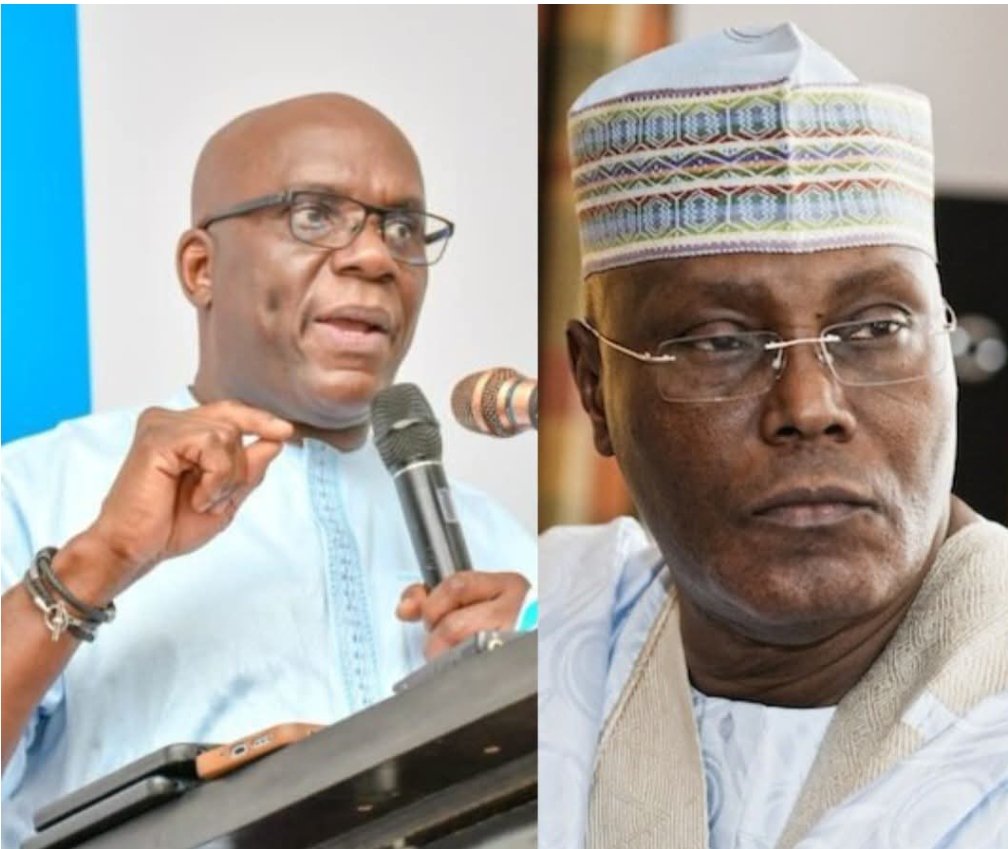
The All Progressives Congress (APC) has questioned former Vice-President Atiku Abubakar’s suitability for the presidency, citing a series of past financial controversies and allegations involving his years in public office.
The party’s National Publicity Secretary, Felix Morka, made the claims in a statement issued on Thursday as political parties intensify their campaigns and exchanges ahead of the 2027 presidential election.
Morka cited controversies surrounding the Mambilla Hydroelectric Power Project, the Siemens bribery investigation, the William Jefferson case, the PTDF funds controversy and a 2010 United States Senate investigation into suspicious financial transactions.
The APC said the issues should form part of public scrutiny of Atiku’s record as he seeks the presidency under the African Democratic Congress (ADC).
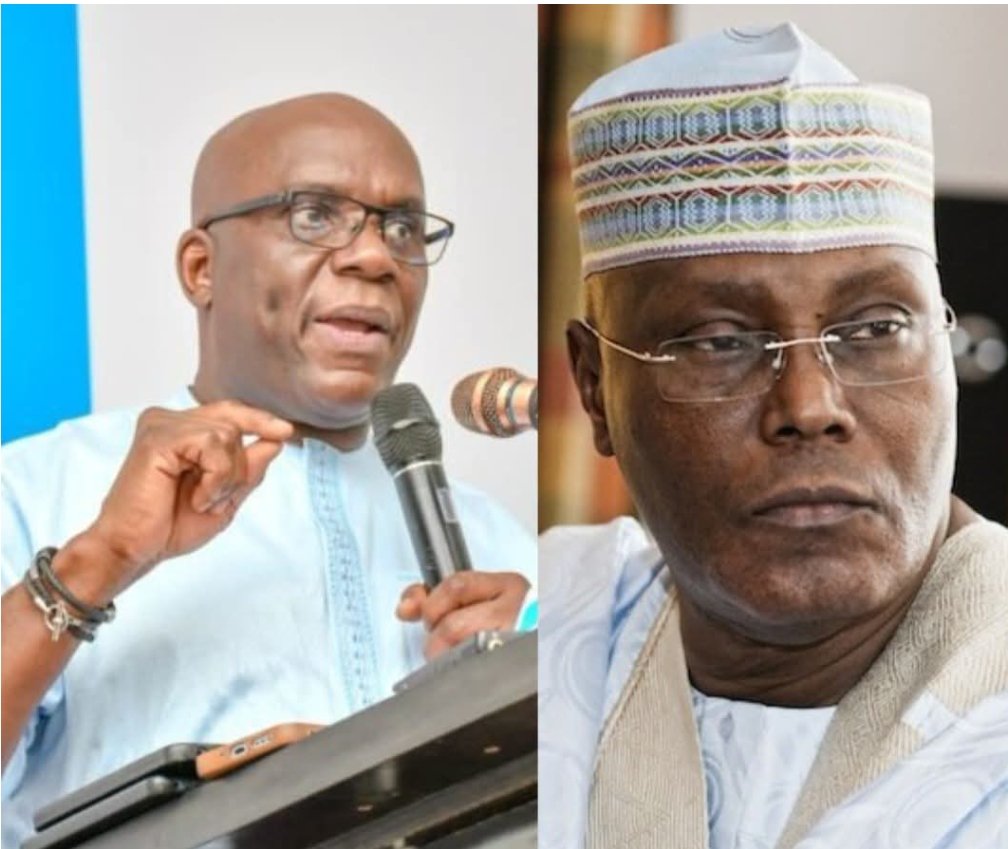
However, allegations linking Atiku personally to corruption have been rejected by the former vice-president and his representatives.
Mambilla Payment Comes Under Scrutiny
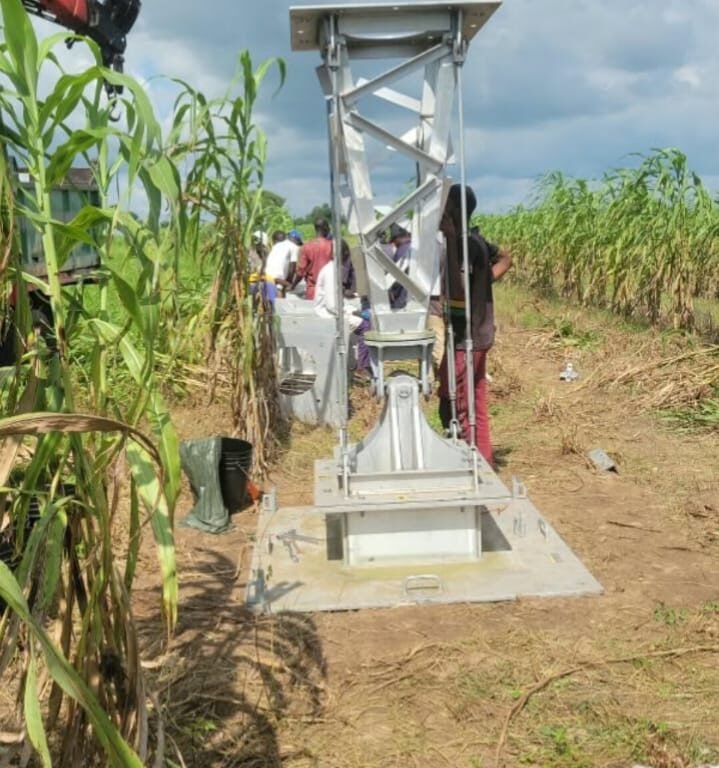
A major part of the APC’s latest argument centres on a $500,000 payment made in January 2003 to Jennifer Douglas, Atiku’s then-wife, by Leno Adesanya, promoter of Sunrise Power and Transmission Company Limited.
The transaction was examined during International Chamber of Commerce (ICC) arbitration proceedings concerning the long-running dispute over the Mambilla Hydroelectric Power Project.
Reports on the tribunal proceedings said Adesanya described the payment as a foreign-exchange transaction carried out for Atiku. The payment was made through an offshore company around the period when Sunrise Power was pursuing the Mambilla project.
The tribunal raised questions about the circumstances surrounding the payment. However, reporting on the final award indicates that it did not find evidence that Atiku personally received a bribe or used his official position to secure the Mambilla contract.
Atiku’s spokesperson, Phrank Shaibu, has therefore rejected attempts to portray the arbitration as a corruption conviction against the former vice-president.
Shaibu challenged the APC to identify where the tribunal found that Atiku received a bribe, abused his office or influenced the award of the Mambilla contract.
APC Revisits Siemens Investigation
Morka also referred to the Siemens bribery investigation, alleging that funds connected to the controversy passed through an account associated with Douglas.
US authorities investigated Siemens over a global bribery scheme, while the company subsequently agreed to pay more than $1.6 billion in penalties to US and German authorities over anti-bribery violations.
The APC also cited the case involving former US Congressman William Jefferson, who was convicted in the United States on corruption-related charges and sentenced to prison.
Morka linked the case to allegations involving a proposed business relationship and a payment that featured in the US investigation.

The APC further referenced a 2010 report by the US Senate Permanent Subcommittee on Investigations, which examined more than $40 million transferred into the United States through offshore companies and accounts associated with Douglas and her family.
The allegations and historical controversies cited by the APC have been disputed by Atiku and his representatives.
APC Challenges Atiku’s Petrol Subsidy Position
The ruling party also criticised Atiku’s position on petrol subsidy ahead of the 2027 election.
Atiku has said he would restore petrol subsidy if elected president, arguing that the policy could provide relief to Nigerians facing economic
The APC, however, has questioned the legal, fiscal and operational implications of the proposal and argued that restoring subsidy could place additional pressure on public finances.
Obasanjo’s Comments Also Cited
Morka also referred to recent comments attributed to former President Olusegun Obasanjo concerning his decision to select Atiku as his running mate in 1999.
The APC spokesman presented Obasanjo’s remarks as part of the broader debate over Atiku’s record in public office.
The party subsequently urged Nigerians to consider the controversies it raised when assessing candidates ahead of the 2027 presidential election.
Atiku and his representatives have continued to reject the corruption allegations, while the APC has maintained its criticism of his record.