
By Gabriel Ameh
MSF Country Representative Ahmed Aldikhari Calls for Early Noma Detection in Nigeria
Médecins Sans Frontières (MSF), also known as Doctors Without Borders, has urged the Nigerian government to strengthen community-based surveillance, improve early detection and increase investment in noma prevention and treatment to reduce deaths and disabilities among children.
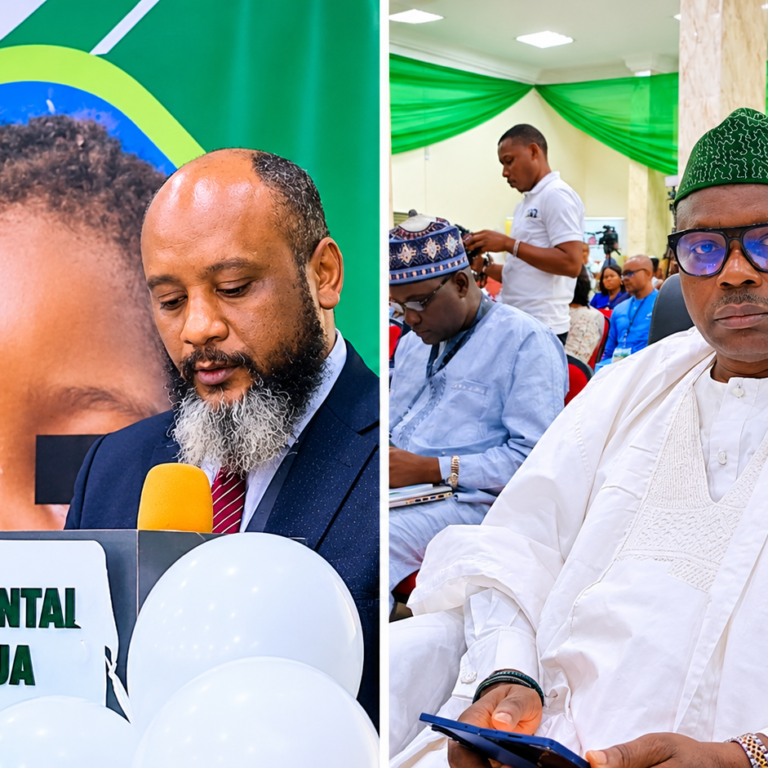
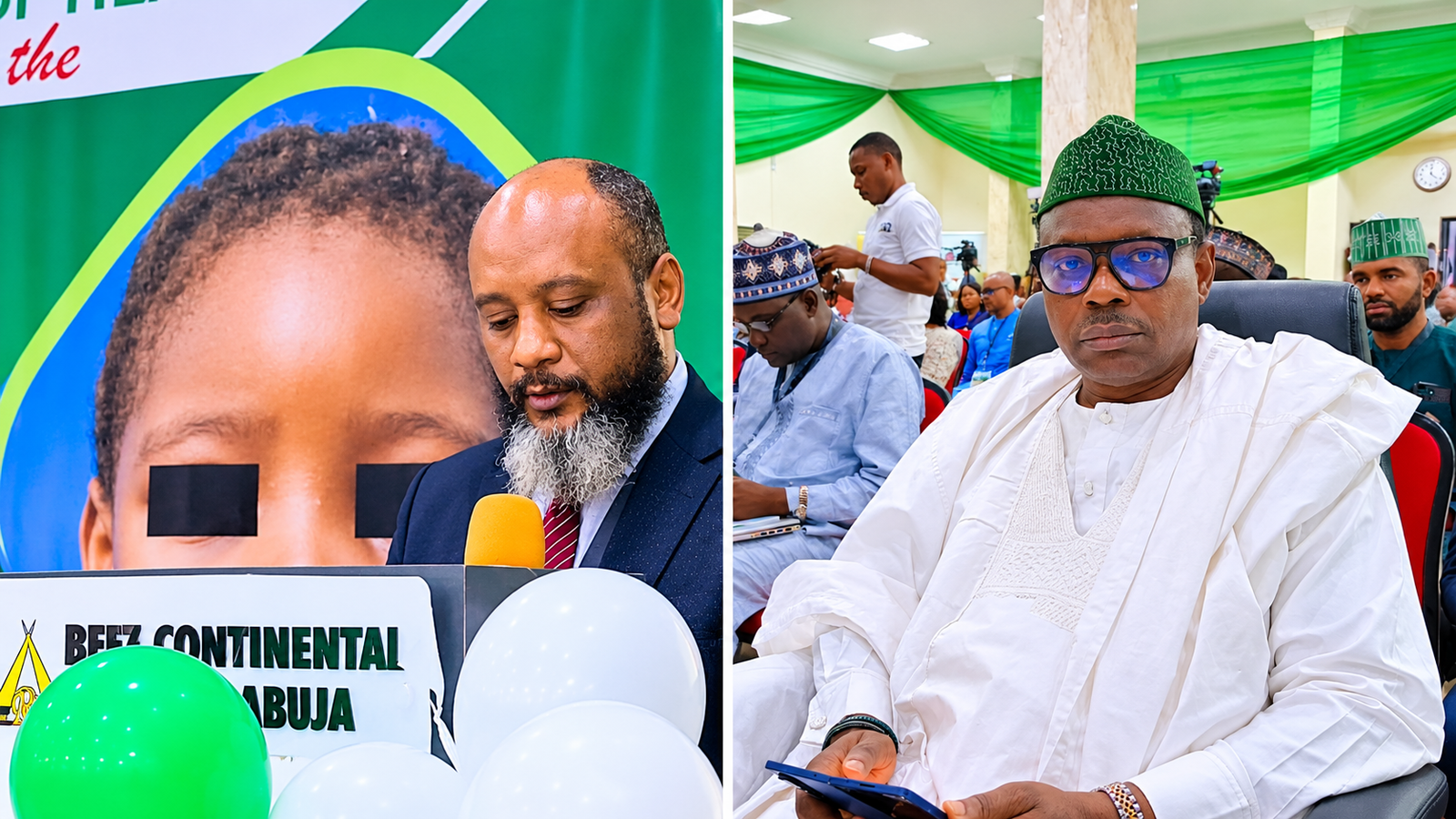
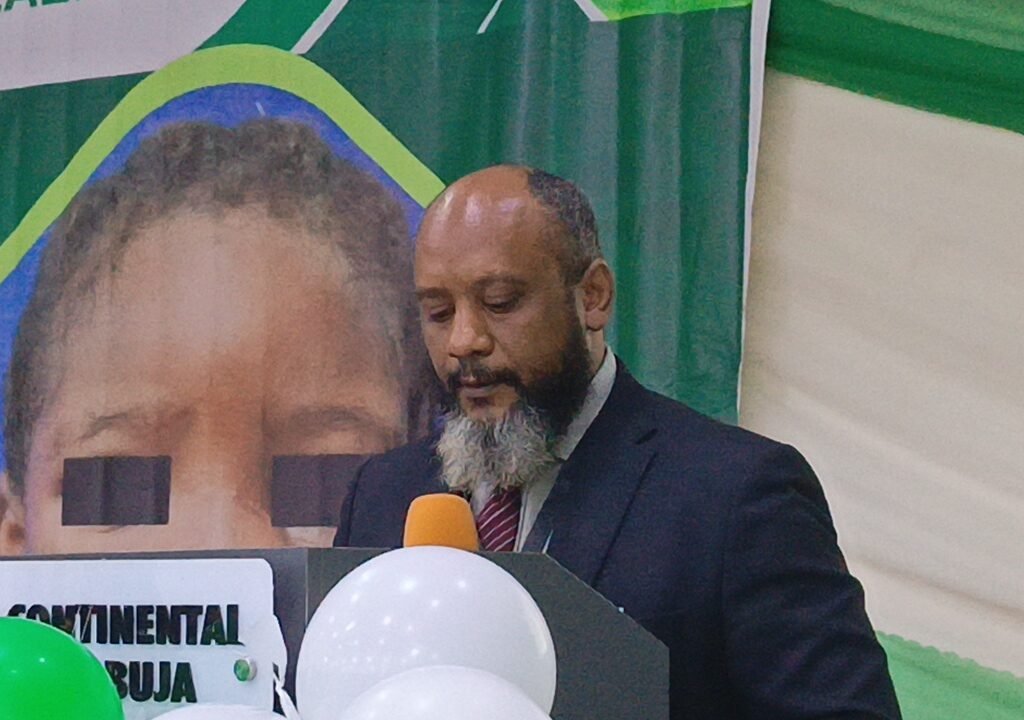
The call was made by Ahmed Aldikhari, Country Representative of MSF Nigeria’s Intersectional Country Office, in a goodwill message at the 2026 National Noma Day commemoration in Abuja.
Aldikhari stressed that early identification of noma, a severe but preventable and treatable disease, could save lives and prevent devastating facial disfigurement, particularly among children.
He commended the Federal Government, the Ministry of Health, the Nigeria Association of Noma Intervention (NANI) and other stakeholders for their efforts to strengthen Nigeria’s response to the disease.
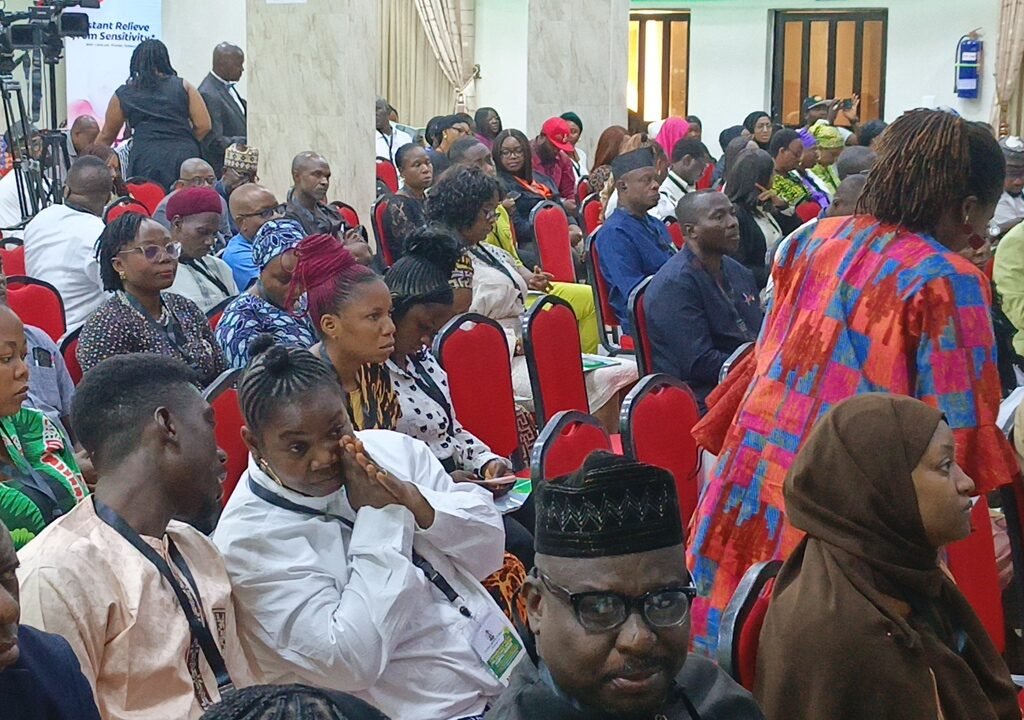
He particularly welcomed progress towards integrating noma into primary healthcare guidelines and its inclusion in the Surveillance Outbreak Response Management and Analysis System (SORMAS), describing the developments as important steps towards improving disease identification, reporting and referral.
The MSF representative also congratulated the Ministry of Health on the launch of the National Strategic Plan on Oral Health 2026–2031, saying it provides an opportunity to make noma prevention and treatment an integral part of Nigeria’s broader healthcare priorities.
He, however, emphasised that national commitments must translate into coordinated action across federal, state, local government and community levels.
Highlighting MSF’s longstanding partnership with the Federal Ministry of Health and the Sokoto State Ministry of Health at the Noma Children’s Hospital, Aldikhari said the organisation had supported comprehensive treatment for people affected by the disease since 2014.
The interventions include inpatient treatment for acute noma, major facial reconstructive surgeries, oral physiotherapy, nutritional support, community engagement, health promotion, and mental health and psychosocial services.
According to the goodwill message, the partnership has facilitated more than 1,759 major reconstructive surgeries for 1,174 patients through 35 surgical missions over the past decade.
In 2026 alone, MSF carried out 114 surgeries for 96 patients.
Aldikhari also disclosed that 28 Nigerian surgeons and 14 anaesthetists had received training from international specialists, as part of efforts to strengthen the country’s capacity to provide quality treatment for noma patients.
Despite the progress, he warned that early detection must remain central to Nigeria’s response because noma can progress rapidly, causing severe tissue damage, facial disfigurement and potentially death when not identified and treated promptly.
He called for stronger community-based surveillance systems involving community health workers, traditional and religious leaders, teachers, caregivers and other trusted community members to identify suspected cases and ensure timely referrals.
He also urged authorities to provide frontline health workers with the necessary training and resources to recognise early signs of noma, administer appropriate initial care and refer affected patients to specialised health facilities without delay.
The MSF representative further stressed the importance of integrating noma screening into routine primary healthcare services, noting that primary healthcare facilities are often the first point of contact for children and families.
On disease surveillance, Aldikhari welcomed the inclusion of noma in SORMAS but cautioned that the development must be supported by effective implementation at all levels.
He identified adequate training, consistent reporting, reliable data management, supportive supervision and the timely use of surveillance information as essential requirements for making the system effective.
He also called for sustained government and development partner funding to implement the National Strategic Plan on Oral Health, strengthen surveillance and referral systems, and expand access to comprehensive noma treatment.
Aldikhari urged stakeholders to renew their collective commitment to preventing avoidable deaths and disabilities, stressing that no child should suffer or die from a disease that is preventable and treatable.
He said stronger collaboration, sustained investment and an effective healthcare response would help bring noma out of the shadows and give affected children a better opportunity to survive, recover and live healthy lives.