
By Ambassador Sola Enikanolaiye
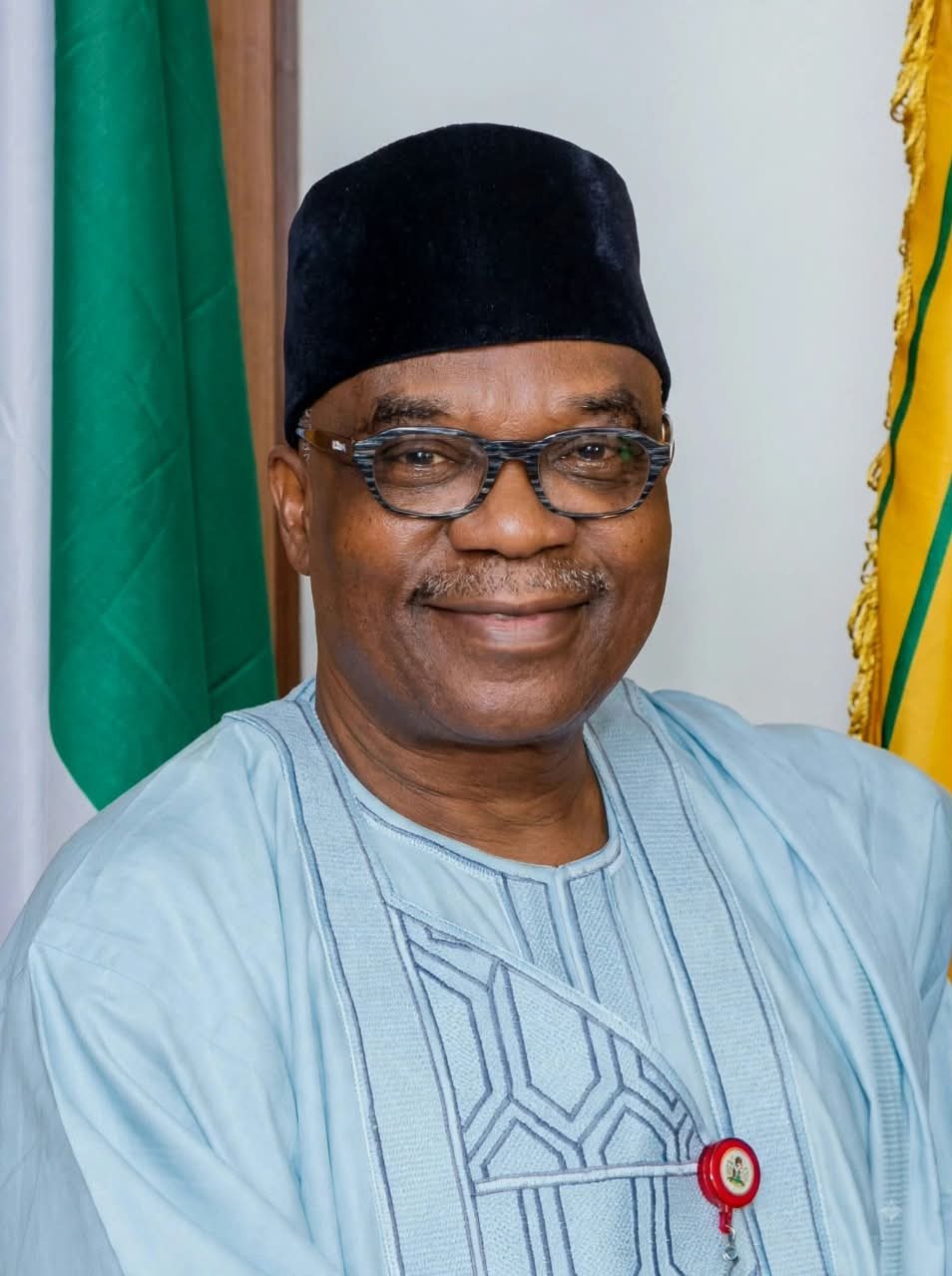
The Minister of State for Foreign Affairs, Ambassador Sola Enikanolaiye, has urged diplomatic missions in Nigeria to respect established channels of communication by routing official requests through the Ministry of Foreign Affairs (MFA).
Enikanolaiye made the call while highlighting concerns over what he described as a growing practice of some embassy officials contacting the State House, ministers and heads of government agencies directly by telephone instead of transmitting official communications through the MFA.
He argued that adherence to diplomatic procedures was essential for effective coordination, institutional memory and mutual respect between Nigeria and foreign missions.
According to him, diplomatic missions should use the Ministry as the established bridge between them and the Nigerian Government rather than bypassing it when seeking official action or engagement.
The position followed an interactive session with members of the Diplomatic Corps in Abuja on September 17, 2026, during which the Minister of Foreign Affairs, Ambassador Bianca Odumegwu-Ojukwu, urged foreign missions to respect established diplomatic channels.
Enikanolaiye said the Federal Government had already simplified procedures for newly appointed ambassadors and high commissioners by allowing them to commence official functions after submitting the copie d’usage—the working copy of their Letters of Credence—to the Ministry.
He said this allows new envoys to engage government ministries, departments and agencies and conduct bilateral business without waiting for the formal presentation of their Letters of Credence to the President, except for matters involving presidential ceremonies and engagements.
MFA Says It Is a Bridge, Not an Obstacle
Enikanolaiye said the Ministry’s role was not to create unnecessary bureaucracy but to coordinate official interactions between diplomatic missions and Nigerian institutions.
He maintained that routing official communications through the MFA would help reduce conflicting information, duplication and misunderstandings while ensuring that engagements receive the appropriate diplomatic and policy context.
He also pointed to the principle of reciprocity, noting that Nigerian diplomatic missions are expected to respect the established channels of their host countries.
The Vienna Convention on Diplomatic Relations provides in Article 41(2) that official business entrusted to a diplomatic mission should be conducted with or through the foreign ministry of the receiving state, unless another ministry has been agreed upon.
Enikanolaiye therefore argued that diplomatic missions operating in Nigeria should respect the country’s established procedures.
Enikanolaiye Raises Concern Over Diplomatic Plates
The minister also raised concerns over what he described as the use of diplomatic number plates by people who are not authorised to use them.
He said diplomatic plates are intended to facilitate legitimate diplomatic functions and should not be used to evade traffic regulations or law enforcement.
According to him, misuse of diplomatic plates could create security concerns and negatively affect the image of the diplomatic community.
Nigeria’s Foreign Policy Priorities
Enikanolaiye also highlighted the Federal Government’s stated foreign-policy priorities, including demography, development, democracy and diaspora.
He said the approach places emphasis on economic diplomacy, investment, trade, technology, security, education, agriculture and the contribution of Nigerians in the diaspora to national development.
He added that Nigeria’s foreign relations would continue to be guided by national interest, mutual respect, reciprocity and the country’s international obligations.
The minister further said the Ministry was working to revitalise outstanding Joint Commissions and Bi-National Commissions with other countries to advance cooperation in areas including trade, investment, security, education, technology, health and agriculture.
He stressed that the ultimate measure of Nigeria’s diplomatic engagements should be the tangible benefits they deliver to Nigerians.
‘Nigeria Is Hospitable, Not Helpless’
Enikanolaiye described Nigeria as an open and welcoming country that remains willing to work with foreign partners but said its openness should not be interpreted as an absence of institutional procedures.
He urged diplomatic missions to use the established communication route when engaging the Nigerian Government.
The process, as outlined by the minister, is:
Embassy → Note Verbale → MFA → MDA/Presidency → MFA → Embassy.
He said respecting the process would strengthen diplomatic relations while ensuring that official engagements remain properly coordinated within Nigeria’s foreign-policy framework.