
By Gabriel Ameh
The Economic and Financial Crimes Commission (EFCC) has warned pastors, imams and other religious leaders against diverting tithes, offerings, zakat and other funds entrusted to churches and mosques into private businesses.
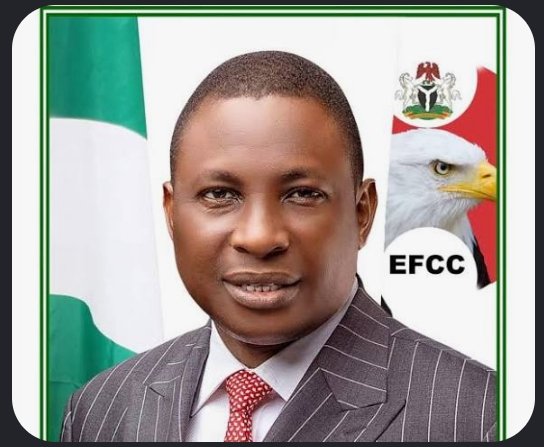
EFCC Chairman, Ola Olukoyede, gave the warning on Wednesday in Abuja during the 2026 second council meeting of the Nigeria Inter-Religious Council (NIREC), held under the theme, “Shared Sacred Flourishing in Nigeria.”
Olukoyede said religious leaders who divert funds donated for religious purposes could face criminal consequences, urging churches and mosques to establish clear financial controls separating institutional funds from the personal finances of their leaders.
He said clerics were free to engage in legitimate businesses such as farming and trading but must not use money donated for religious activities to finance their private ventures.
According to him, failing to maintain the distinction between religious funds and personal resources could undermine the moral authority of religious leaders and send the wrong message to their followers.
EFCC Raises Concern Over Unexplained Wealth
The EFCC chairman also criticised the practice of celebrating unexplained wealth within places of worship.
He cited a situation where a public servant could finance the construction or development of a mosque on a scale that appears inconsistent with the person’s legitimate earnings.
Olukoyede cautioned religious leaders against providing religious legitimacy or social acceptance to suspected proceeds of corruption simply because the funds are donated to a place of worship.
He stressed that donations should not be used to shield wrongdoing, while investigations involving individuals should not automatically be interpreted as attacks against their religious or ethnic communities.
Religious Leaders Urged to Help Fight Corruption
Olukoyede said religious institutions could play a significant role in preventing corruption by promoting honesty, accountability and responsible attitudes towards wealth.
He noted that while the EFCC has the responsibility to investigate and prosecute financial crimes, religious leaders could help influence the values and behaviour that shape people’s conduct before crimes are committed.
The EFCC chairman disclosed that the commission had developed an Inter-Faith Manual to assist Christian and Muslim leaders in incorporating anti-corruption messages into their sermons and teachings.
The manual was unveiled during the NIREC meeting.
He also highlighted the work of the EFCC’s Directorate of Fraud Risk Assessment and Control, which monitors corruption risks within government ministries, departments and agencies.
Olukoyede further disclosed that more than 40 EFCC personnel had been dismissed over alleged corrupt practices, as part of efforts to maintain integrity within the commission.
‘Start With Your Own Conduct’
The EFCC chairman urged religious leaders to lead the fight against corruption by ensuring transparency and integrity in their own institutions.
He said stolen public funds ultimately deprive Nigerians of essential services, regardless of their religion or ethnicity.
Olukoyede therefore called on religious institutions to demonstrate the same accountability they expect from public officials and other members of society.