
By Gabriel Ameh
NEW YORK — Nigeria and the European Union have renewed efforts to strengthen migration cooperation, with both sides advancing discussions on the long-pending EU-Nigeria Re-Admission Agreement.
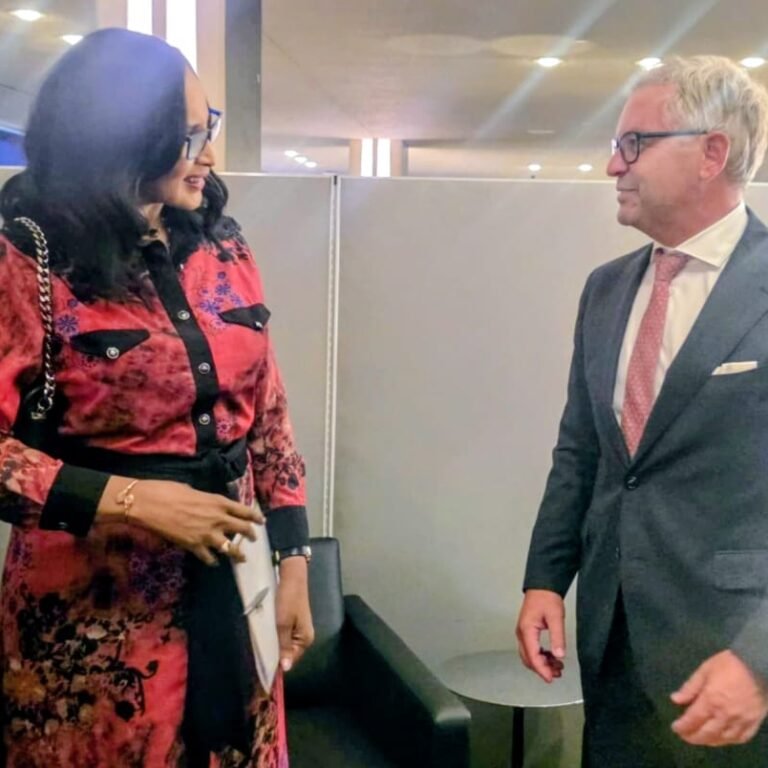
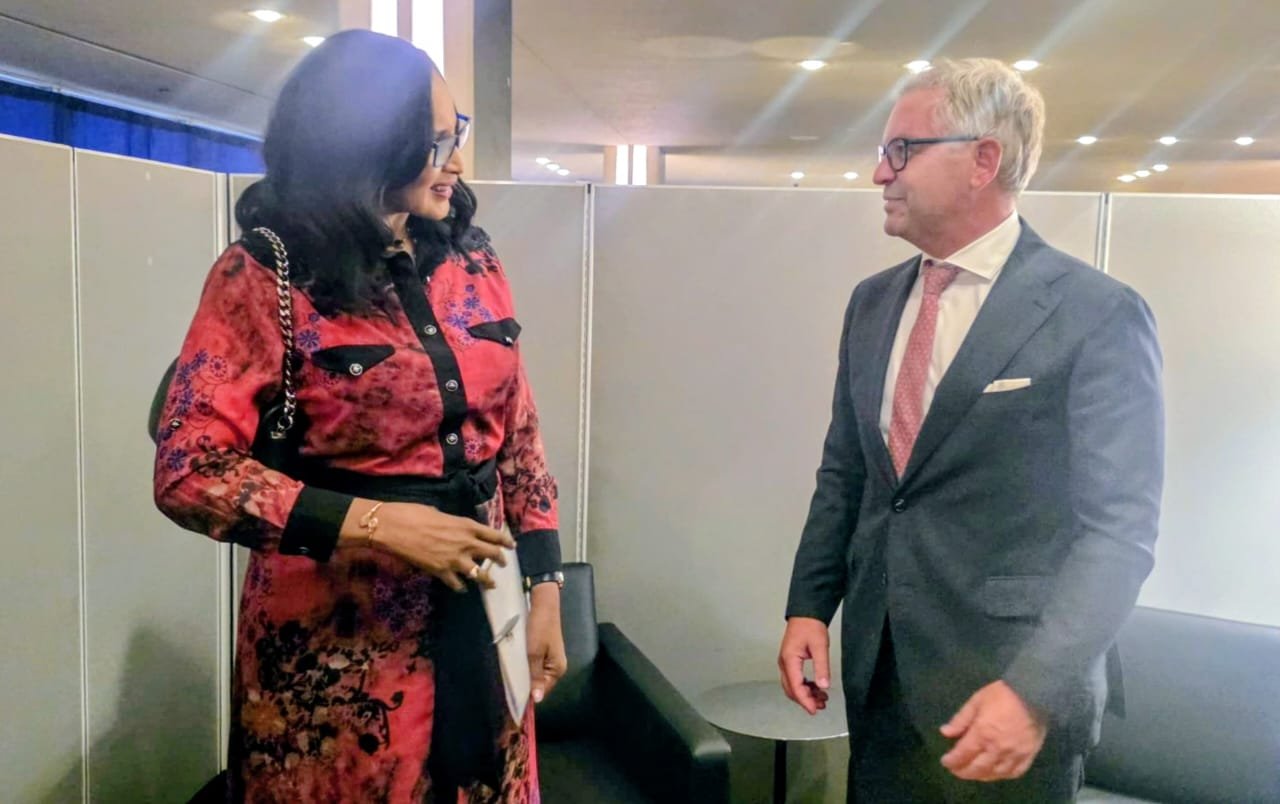
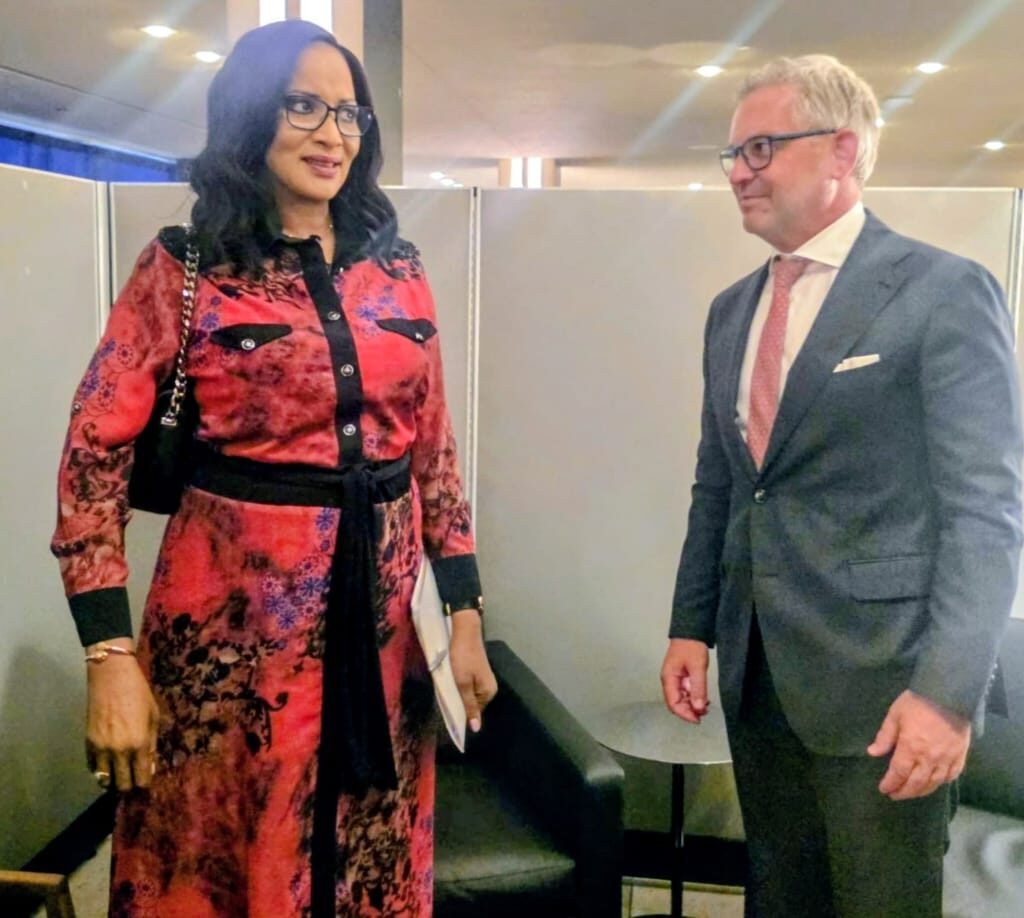
The issue was discussed on Monday, September 21, 2026, when Nigeria’s Minister of Foreign Affairs, Ambassador Bianca Odumegwu-Ojukwu, met with EU Commissioner for Internal Affairs and Migration, Magnus Brunner, on the sidelines of the 81st United Nations General Assembly in New York.
The proposed Re-Admission Agreement, which was initiated in 2016, is expected to provide a framework for cooperation between Nigeria and the EU on migration, including the return and reintegration of migrants.
Brunner stressed the importance of concluding the agreement, noting that its finalisation could provide a basis for broader Nigeria-EU cooperation on migration.
The Nigerian government, however, emphasised that any migration partnership must also address Nigeria’s development interests.
Odumegwu-Ojukwu called for reintegration support for Nigerians who return from Europe, assistance for infrastructure development and expanded legal pathways for Nigerians seeking education, employment and other opportunities abroad.
She also stressed the need for structured and lawful mobility opportunities, particularly for Nigeria’s large and youthful population.
According to the EU delegation, these concerns have been incorporated into the proposed framework for a broader Migration and Security Cooperation Contract.
The proposed cooperation would cover areas including legal mobility and talent partnerships, reintegration of returnees, border management and support from the European Border and Coast Guard Agency, Frontex.
Nigeria and the EU also discussed stronger security cooperation, including a possible working arrangement for information exchange with Europol to strengthen Nigeria’s ability to tackle transnational organised crime.
Brunner said the EU was interested in expanding legal migration pathways through talent partnerships.
Such arrangements, he said, could help address skills shortages in Europe while creating opportunities for qualified Nigerian professionals and addressing concerns surrounding brain drain.
The two sides also considered measures to tackle irregular migration, with the EU Commissioner linking progress in this area to the possibility of expanding opportunities for legal migration.
Brunner is expected to continue discussions with the Foreign Affairs Minister during a proposed visit to Abuja in November 2026. The specific date of the visit is yet to be agreed by both sides.
The latest engagement signals continued efforts by Nigeria and the EU to develop a migration partnership that combines measures against irregular migration and organised crime with legal mobility, returnee reintegration and opportunities for Nigerian youths.