

By Gabriel Ameh
📍Yiwu, China | Media360Impact Report
The China-Africa Building in Yiwu, Zhejiang Province, is strengthening trade and investment links between African businesses and the Chinese market by providing a platform for product promotion, business networking and investment cooperation.
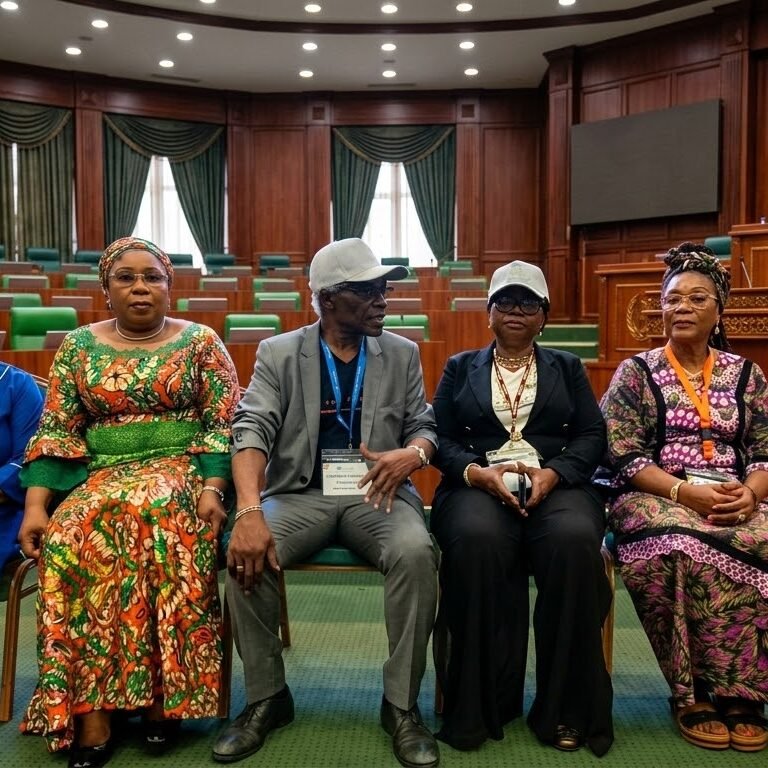
The development was disclosed by Zhu Sun, Founder and Chief Executive Officer of Sino-Africa Holding Group and President of the Yiwu China-Africa Chamber of Commerce, during a courtesy visit by journalists from 16 African countries.
The journalists visited the facility as part of activities marking the 2026 China-Africa Audiovisual Culture Exchange Week, gaining first-hand insight into the role of the Sino-Africa Holding Group in promoting commercial ties between China and Africa.
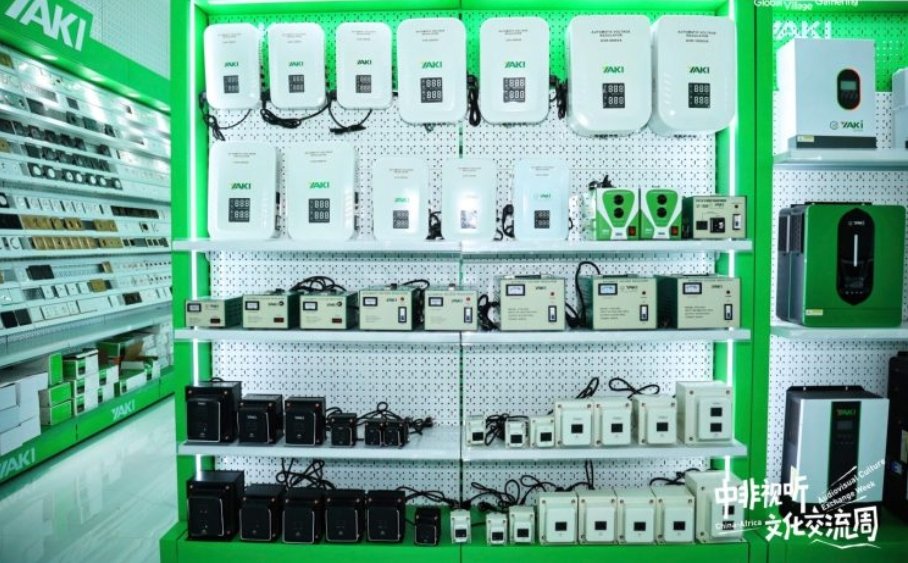
Sun said the Zhejiang Sino-Africa Holding Group operates across four major sectors: Jinmin Electric, new energy vehicles, Sino-Africa Real Estate and Sino-Africa Investment.
According to him, the group has developed a broad business ecosystem covering electrical products, renewable energy, new energy vehicles, logistics, real estate, investment and supply chains.
He explained that the investment arm focuses on China-Africa investment cooperation by supporting businesses through equity investment and financing in areas including logistics, supply chains, import trade, payment systems, exhibitions and advertising.
The group’s new energy vehicle division, he added, is also working to expand the presence of Chinese electric mobility products in African markets through vehicle manufacturing and sales, ride-hailing platforms, electric motorcycles and other light mobility solutions.

Platform for African Products
During the visit, the journalists toured the China-Africa Building, which houses Chinese and African businesses and provides African enterprises with an avenue to showcase their products and explore opportunities in the Chinese market.
Mouhammadou Bassirou Puoye, Secretary of the Yiwu China-Africa Chamber of Commerce, described the facility as an important platform for African exporters seeking to promote and sell their products in China.
Puoye, who operates businesses in both Yiwu and Senegal, encouraged African entrepreneurs to explore Yiwu, describing the city as an important commercial centre for China-Africa trade.
He also welcomed China’s expanded zero-tariff treatment for African countries, saying the policy could create additional opportunities for African products to access the Chinese market.
However, he stressed that African countries must improve their manufacturing capacity and ensure that products meet required standards in quality, packaging and compliance.
He advocated greater value addition in Africa before export, arguing that manufacturing locally could create jobs, increase profits and strengthen African economies.
AfCFTA Could Expand Opportunities
Puoye also pointed to the African Continental Free Trade Area (AfCFTA) as a potential tool for African businesses to consolidate production and source products from different parts of the continent for export to China.
He said the Yiwu China-Africa Chamber of Commerce assists African entrepreneurs seeking to establish businesses in China, including support with company registration, immigration processes and access to market information.
The visit highlights Yiwu’s growing role as a commercial link between Chinese businesses and African enterprises amid expanding trade between the two regions.
According to figures cited during the engagement, Yiwu-Africa trade reached $14.3 billion in the first half of 2026, representing a 42.65 per cent increase compared with the same period in 2025.
China-Africa trade was also reported to have reached $207 billion during the period under review, while Chinese imports from Africa reportedly stood at $29 billion between May and June, a 24 per cent year-on-year increase.
The developments point to growing commercial opportunities between China and Africa, while also highlighting the need for African economies to strengthen local production, value addition and product competitiveness to maximise access to the Chinese market.