


By Gabriel Ameh
ABUJA — The Chartered Institute of Treasury Management of Nigeria (CITM) has called for stronger coordination among tax administration, budgeting and treasury management as part of efforts to promote sustainable economic growth and improve Nigeria’s fiscal position.
Chairman of the Board of Fellows of CITM, Dr. Muhammad Buba Mamman, made the call during the Institute’s Mandatory Continuous Professional Training, Induction and Certification Programme.
Mamman said reforms in individual areas of public finance would have limited impact unless tax collection, budget implementation and treasury operations were better coordinated around common national fiscal objectives.
He expressed concern that Nigeria’s growing revenue has been accompanied by a rising public debt burden, which he said stood at about ₦159.28 trillion as of December 2025.
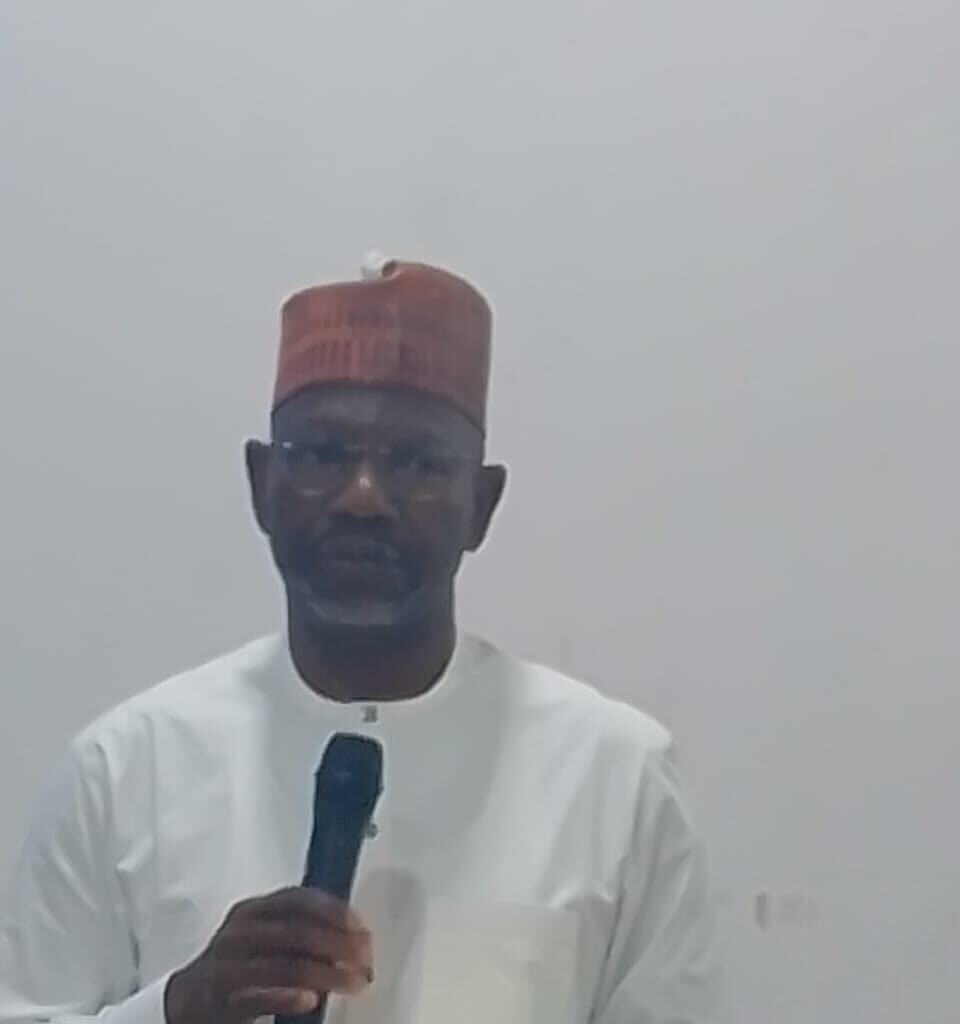
The CITM chairman stressed the need for government to ensure that borrowed funds are directed towards productive investments capable of generating future revenue, supporting economic growth and improving citizens’ living conditions.
He also advocated greater deployment of technology, data analytics and artificial intelligence in public financial management.
According to him, these tools can improve revenue collection, economic forecasting and cash management, while helping government agencies identify and reduce financial leakages.
Mamman, however, cautioned that technology alone cannot guarantee effective fiscal management, stressing that it must be supported by integrity, accountability, transparency and sound governance.
He urged newly inducted CITM professionals to uphold high standards of competence and ethics and to place the public interest at the centre of their professional responsibilities.
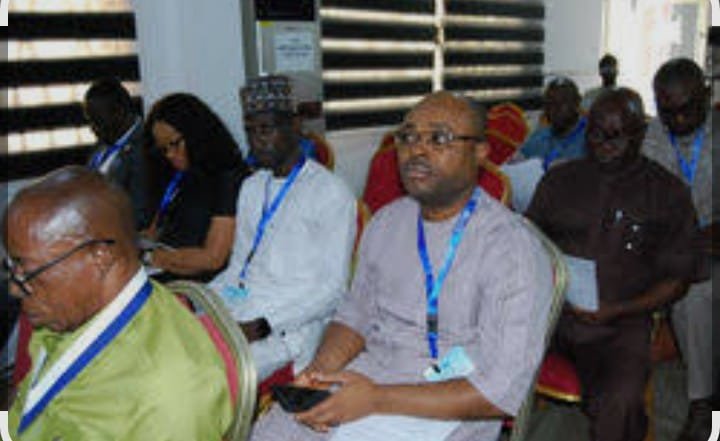
Mamman challenged the professionals to translate the knowledge acquired during the training into practical reforms capable of improving public financial management.
He said the ultimate test of fiscal reform should be reflected in reduced waste, improved public services, stronger fiscal discipline and a better quality of life for Nigerians.