
By Gabriel Ameh
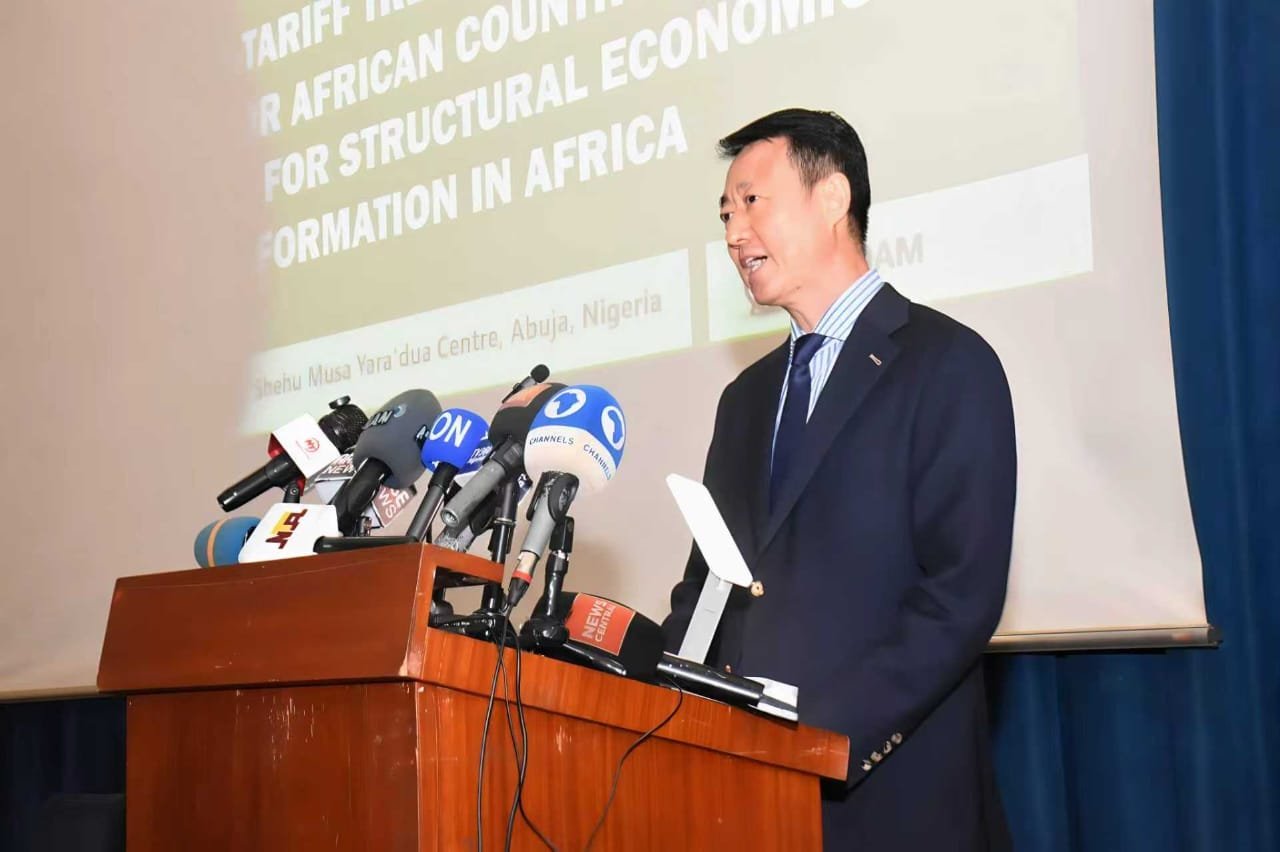
ABUJA — China’s zero-tariff policy for African countries with diplomatic relations with Beijing is already boosting trade and could accelerate Nigeria’s industrial transformation, Chinese Ambassador to Nigeria, Yu Dunhai, has said.
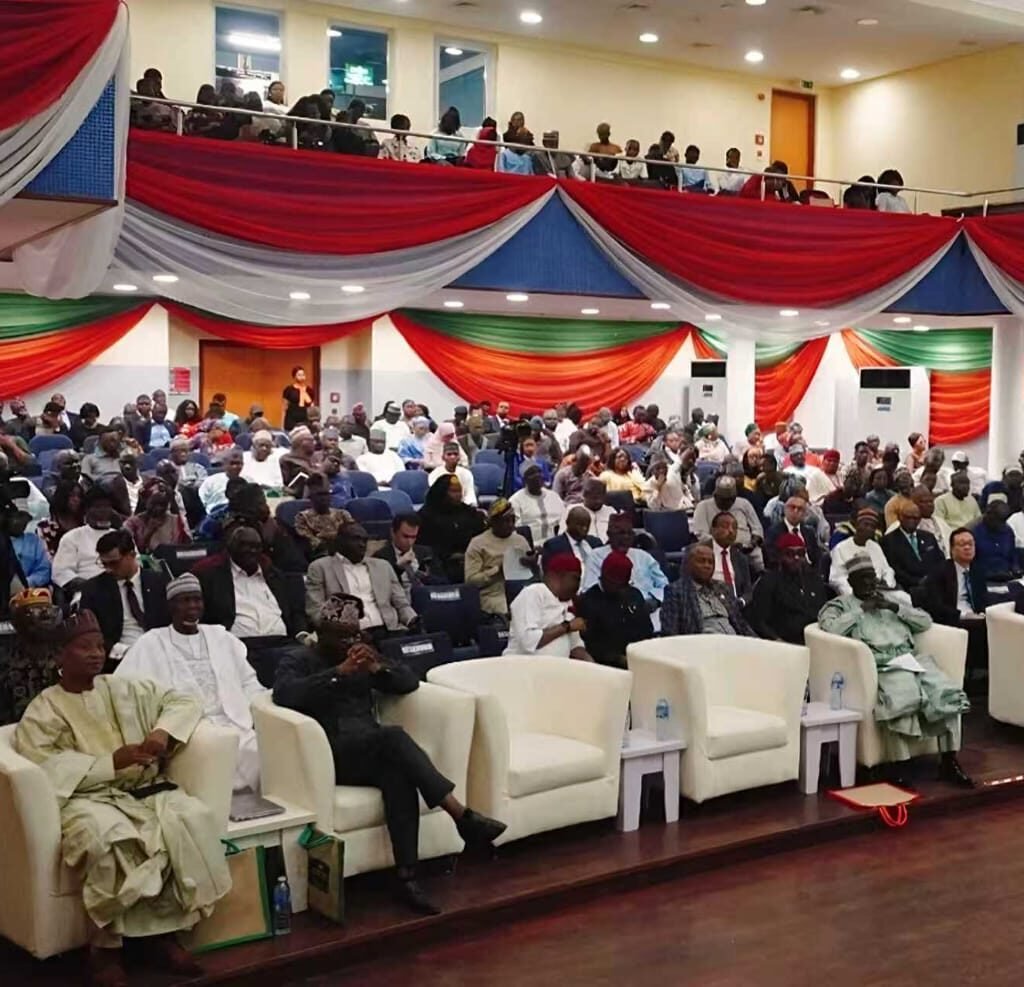
The ambassador spoke on Friday, August 14, 2026, at a seminar on “China’s Zero-Tariff Measures and Africa’s Economic Structural Transformation” held at the Yar’Adua Conference Centre in Abuja.
According to Yu, Chinese President Xi Jinping announced on February 14 that China would, effective May 1, 2026, grant zero-tariff treatment to all 53 African countries maintaining diplomatic relations with China.
He described the initiative as a major step towards strengthening China-Africa economic cooperation and promoting a shared approach to modernization.
Yu said the impact of the policy was already becoming evident, noting that China-Africa trade reached a record $207 billion in the first half of 2026.
He added that Chinese imports from Africa reached $29 billion between May and June, representing a 24 percent year-on-year increase, while estimates indicated that the zero-tariff arrangement had increased overall African exports to China by about six percent.
Nigeria Records Stronger Trade Growth
The ambassador highlighted Nigeria as one of the major beneficiaries of the new trade arrangement.
He said bilateral trade between Nigeria and China reached $18 billion in the first half of 2026, representing a 35 percent increase compared with the same period last year.
Chinese imports from Nigeria, he added, rose by 80 percent to $2.3 billion, with monthly growth exceeding 40 percent in both May and June.
Yu attributed part of the growth to the removal of tariffs on Nigerian exports and improved access to the Chinese market.
He cited sesame as an example, saying that every 100 tonnes exported to China could save Nigerian exporters about $11,000 in tariffs.
He also said Nigeria’s annual export of about 7,000 tonnes of cattle bone granules could generate nearly $450,000 in tariff savings.
According to him, a single shipment of 23,000 tonnes of Nigerian liquefied propane reportedly generated about $300,000 in tax savings on the first day of the zero-tariff policy.
Policy Could Drive Value Addition
The ambassador argued that the policy should go beyond increasing exports of raw commodities and instead support greater local processing and value addition.
He said easier access to China’s huge consumer market, combined with investment in processing, technology and infrastructure, could help African countries reduce their dependence on exporting unprocessed resources.
For Nigeria, Yu said the policy could stimulate investment in domestic processing while expanding opportunities in warehousing, logistics, transportation and other supporting sectors.
He also pointed to potential opportunities for Chinese technology and equipment to support Nigeria’s industrial development, particularly in areas such as renewable energy and power infrastructure.
China Seeks Stronger Economic Partnership With Nigeria
Yu said China was interested in moving China-Africa economic relations beyond traditional aid and raw-material trade towards industrial integration, value addition and shared development.
He said establishing formal economic partnership agreements would be important for providing long-term institutional guarantees for preferential market access.
According to him, 38 African countries have signed framework agreements with China to advance early-harvest negotiations, with Beijing seeking similar arrangements with additional partners, including Nigeria.
The ambassador said such agreements could strengthen cooperation in areas including trade facilitation, investment protection and quarantine standards.
Four Priorities for Maximising Zero-Tariff Benefits
To ensure Nigerian businesses derive maximum benefit from the policy, Yu identified four key priorities.
First, he urged Nigerian producers and exporters to improve product quality and supply-chain reliability to meet Chinese market standards and maintain consistent supply.
Second, he called for greater investment in local processing and industrial development, saying China was ready to explore partnerships involving equipment, technology and technical training.
Third, he advocated stronger integration between trade and investment, alongside institutional reforms that would provide greater certainty for businesses and investors.
Fourth, he encouraged Nigerian businesses, particularly small and medium-sized enterprises, to take advantage of international trade platforms such as the China International Import Expo, Canton Fair and China-Africa Economic and Trade Expo to connect directly with Chinese buyers.
‘Nigeria Positioned to Be a Primary Beneficiary’
Yu described Nigeria as a cornerstone of China-Africa relations, citing the country’s population, economic significance and longstanding bilateral relationship with China.
He said the Chinese Embassy in Nigeria would continue supporting the implementation of the zero-tariff policy and efforts to connect Nigerian products with Chinese consumers.
The ambassador said the policy could help deepen economic ties between both countries while supporting Nigeria’s industrialisation ambitions.
He also noted that 2026 marks the 70th anniversary of China-Africa diplomatic relations and the 55th anniversary of China-Nigeria diplomatic ties, describing the milestones as an opportunity to deepen economic and diplomatic cooperation.
Yu expressed optimism that effective implementation of the zero-tariff arrangement would strengthen China-Nigeria relations and contribute to broader economic transformation across Africa.