
0-0x0-0-0-{}-0-0#
By Gabriel Ameh
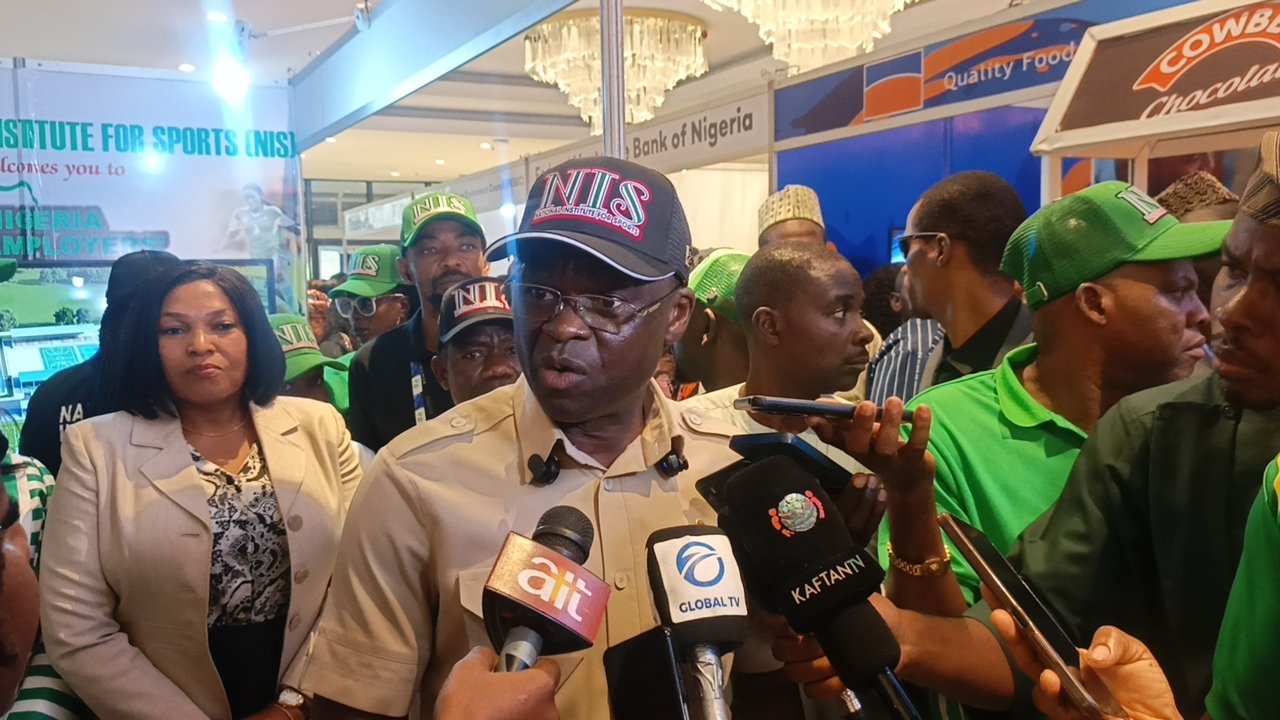
The Director-General of the National Institute for Sports (NIS), Philip Shaibu, has unveiled a comprehensive reform agenda aimed at repositioning Nigeria’s sports sector, warning that the country is facing a critical shortage of qualified coaches capable of developing athletes from the grassroots.
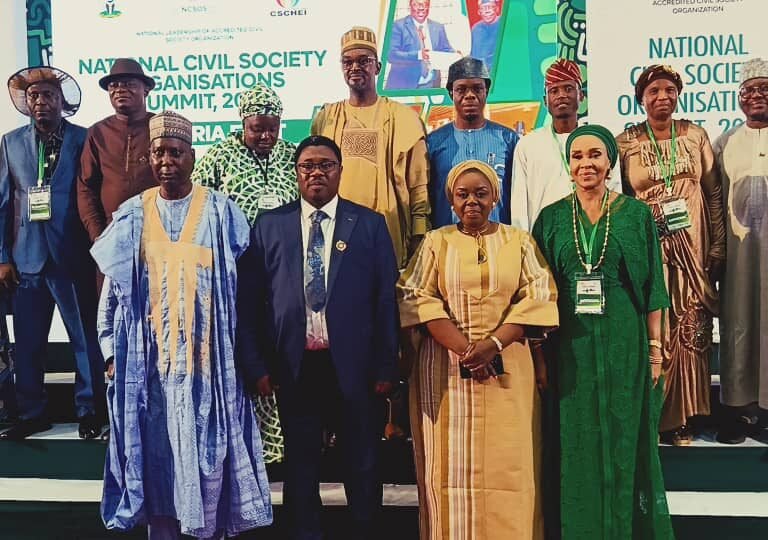
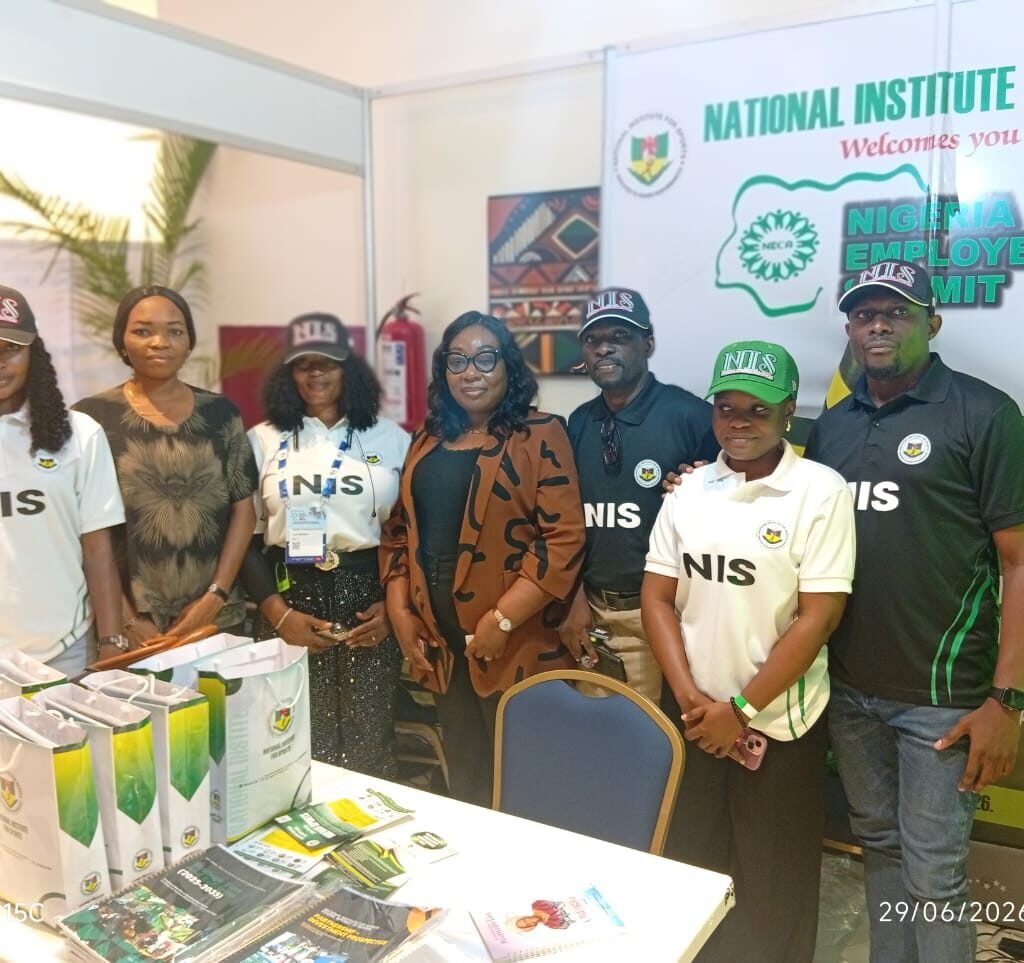
Shaibu made this known while speaking at the Nigeria Employers’ Summit 2026, themed “Leveraging Reforms and ESG for Enterprise Competitiveness and Inclusive National Growth.”
According to him, one of the biggest challenges confronting sports development in Nigeria is the shortage of professionally trained coaches, noting that many Physical and Health Education teachers in schools lack the specialised coaching skills required to nurture young sporting talents.
He said the National Institute for Sports has commenced reforms designed to bridge the gap through nationwide training, refresher programmes and curriculum upgrades.
“We have a shortage of qualified coaches in Nigeria. Many schools have Physical Education teachers, but coaching is a profession that requires specialised knowledge and practical training. We are determined to change that,” Shaibu said.

The NIS Director-General disclosed that the institute is expanding its operations beyond its traditional base to ensure coach education becomes accessible across the country.
He explained that the institute is organising refresher courses for teachers currently handling sports in schools while introducing modern coaching techniques that align with international standards.
Shaibu also announced the introduction of new professional programmes, including sports scouting, sports administration and sports paramedics, describing them as critical components of a modern sports industry.
According to him, the reforms are intended to produce professionals capable of identifying talents, managing sporting organisations and providing medical support for athletes.
He stressed that sports should no longer be viewed merely as recreation but as a strategic tool for youth empowerment, employment generation, national unity and economic development.
The Director-General noted that President Bola Tinubu’s administration is committed to using sports as a platform to engage young people productively while promoting national cohesion.
He urged parents, schools and stakeholders to support grassroots sports development by encouraging children to participate in organised sporting activities under qualified instructors.
Shaibu maintained that the National Institute for Sports, established in 1974, is undergoing one of its most significant transformations in decades, with a renewed focus on producing world-class coaches and sports professionals.
Speaking with journalists after his presentation, the NIS boss said the institute’s vision is to build a sustainable sports ecosystem that will create employment opportunities and enable Nigerian professionals to compete globally.
He expressed confidence that ongoing reforms would restore the institute’s leadership role in sports education and contribute significantly to the country’s socio-economic development through sports.