
By Gabriel Ameh
The Nigerian Communications Commission (NCC) has reaffirmed its commitment to expanding broadband access across the country through improved wholesale fibre infrastructure and strengthened regulatory measures aimed at supporting Nigeria’s digital economy goals.
At its 109th Governing Board Meeting held on May 29, 2026, the Commission emphasized the distinct roles of wholesale and retail telecommunications segments, stressing the need for appropriate regulatory frameworks to ensure sustainable industry growth.
The Board noted that wider access to wholesale backbone fibre infrastructure, supported by the expansion of metropolitan fibre networks, would enable more homes, offices and businesses to connect to fixed broadband services nationwide.

According to the Commission, the initiative is expected to reduce connectivity costs over time, improve access to affordable internet services and strengthen network resilience across the country.
The Board stated that the strategy aligns with the Federal Government’s digital transformation agenda and Nigeria’s target of building a $1 trillion economy over the next decade.
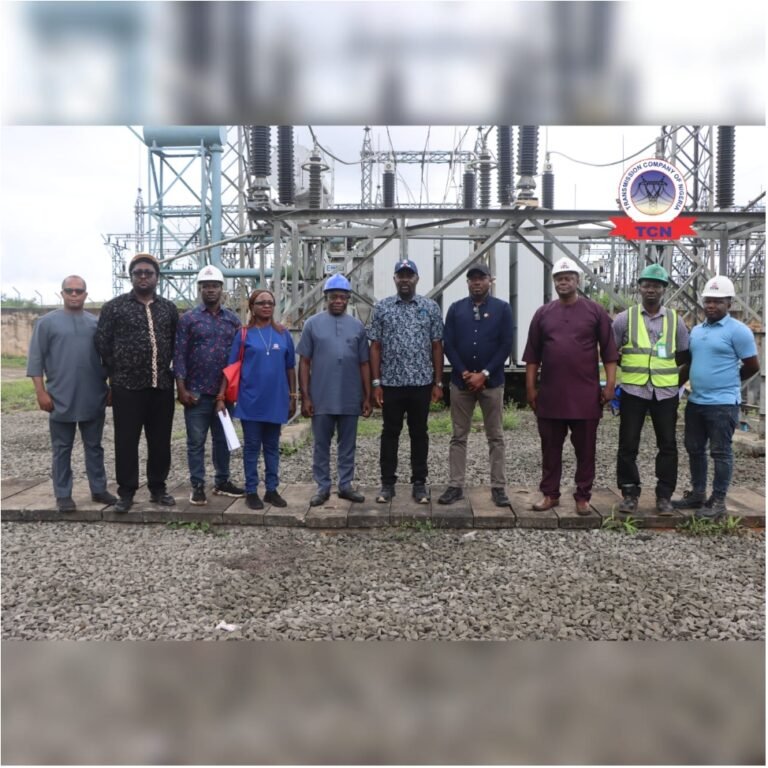
Addressing challenges within the telecommunications sector, the Board expressed concern over the continued vandalism of telecom infrastructure, which it said has negatively impacted network operations and industry growth.
While acknowledging the efforts of the Office of the National Security Adviser and the Nigeria Security and Civil Defence Corps following the designation of telecommunications facilities as Critical National Information Infrastructure (CNII), the Commission stressed the need for stronger collaboration among stakeholders to protect network assets nationwide.
To further improve infrastructure security, the Board reaffirmed its commitment to accelerating initiatives designed to safeguard telecom facilities, including the possible establishment of a Communications Industry Security Trust Fund.
The Commission also reviewed ongoing discussions with industry stakeholders on the development of a framework for zero-rating educational platforms and digital content in Nigeria.
According to the Board, the initiative is aimed at promoting digital inclusion, narrowing the urban-rural digital divide and improving educational outcomes through easier access to online learning resources.
The Board further reviewed the operational status of the Digital Bridge Institute (DBI), noting governance gaps caused by the expiration of the tenure of the Board Chairman and some members of the institute’s governing board.
To strengthen governance and reposition the institute for greater contribution to Nigeria’s digital economy, the Commission approved the appointment of Princess Oforitsenere Emiko, a Non-Executive Commissioner of the NCC, as Interim Chairman of the DBI Governing Board.
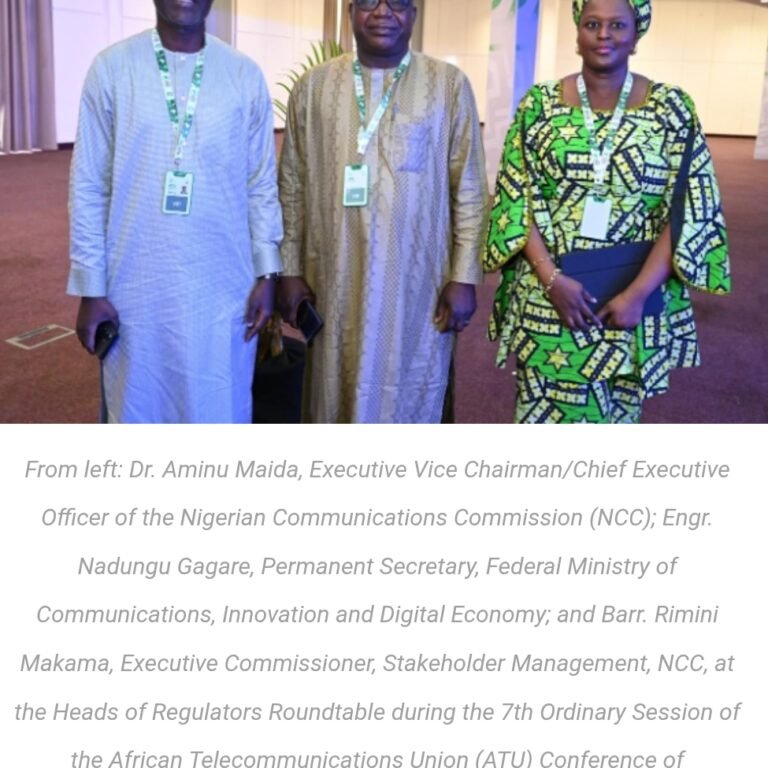
The Board also approved the appointment of Engr. Abraham Oshadami, Executive Commissioner, Technical Services, and Ms. Rimini Makama, Executive Commissioner, Stakeholder Management, as interim members of the DBI Governing Board.
At the end of the meeting, the Commission reiterated its commitment to building a sustainable and inclusive communications sector capable of driving Nigeria’s digital economy aspirations.
The Board added that priorities such as quality of service, network resilience, consumer protection, transparency, fair competition and market discipline would continue to receive strong attention from the Commission.