
By Gabriel Ameh
Nigeria and Bangladesh have reaffirmed their commitment to strengthening bilateral relations, with fresh discussions centered on energy cooperation, trade expansion, industrial development, and security collaboration.
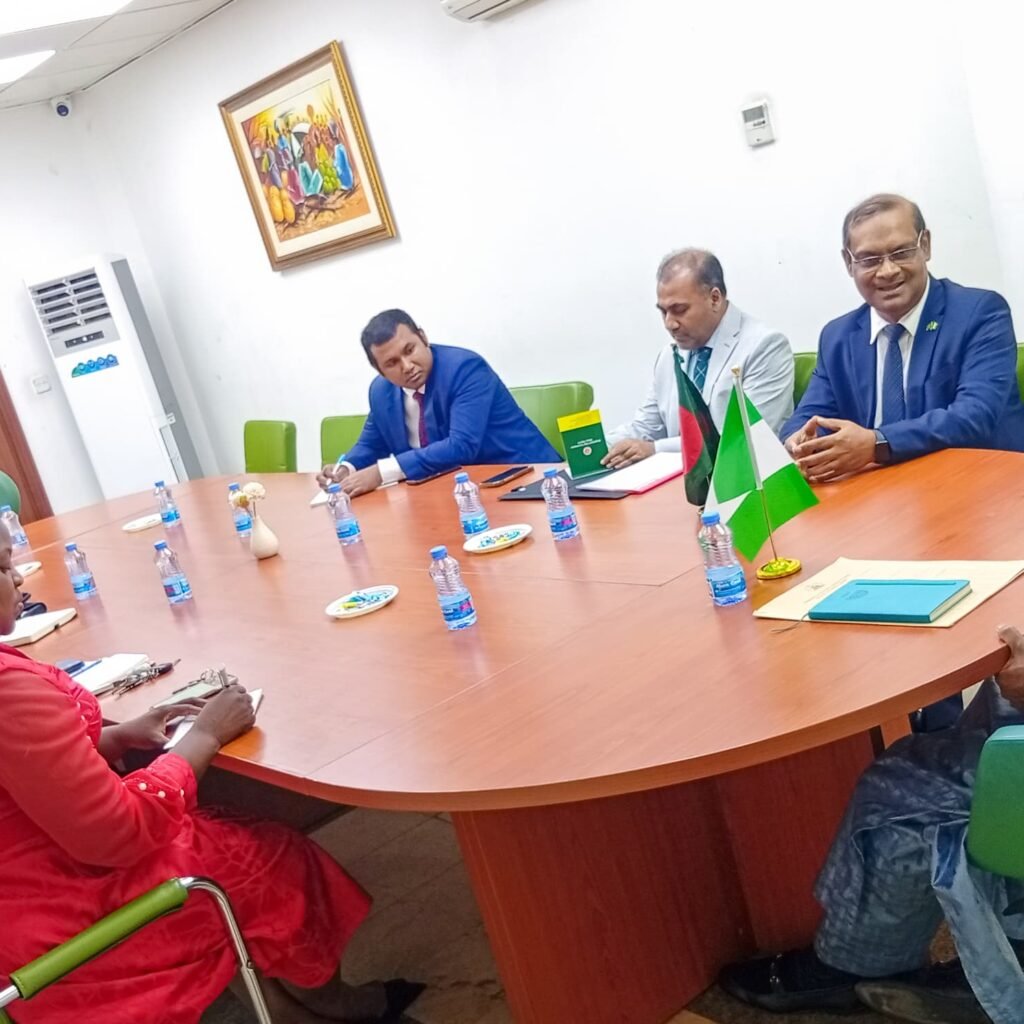
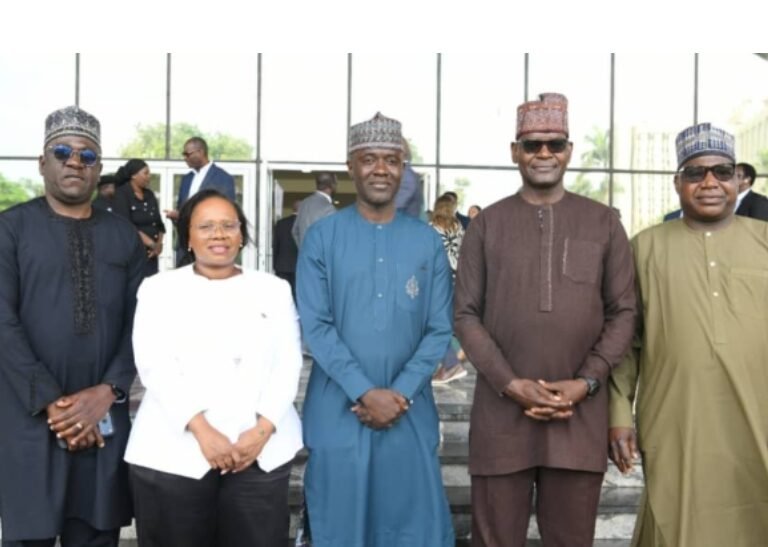
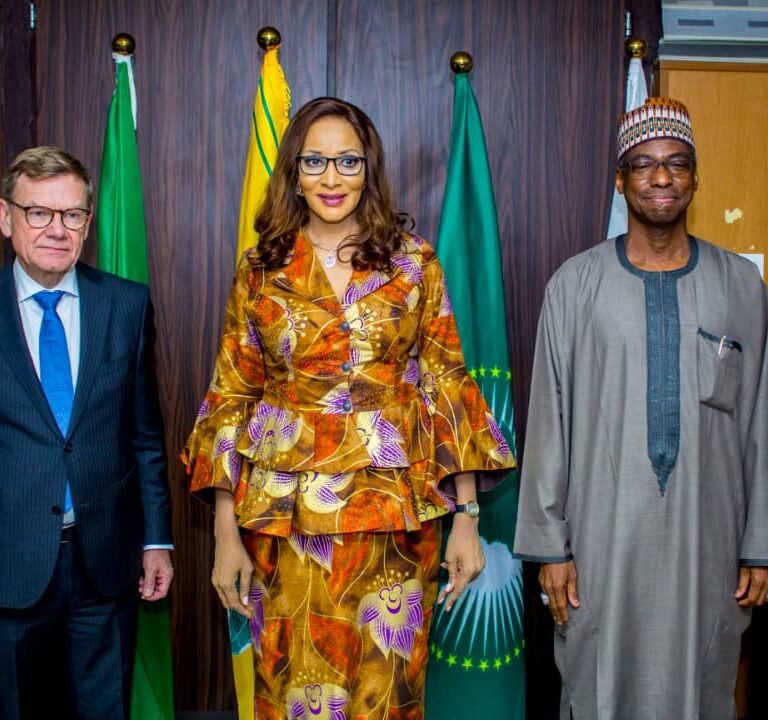
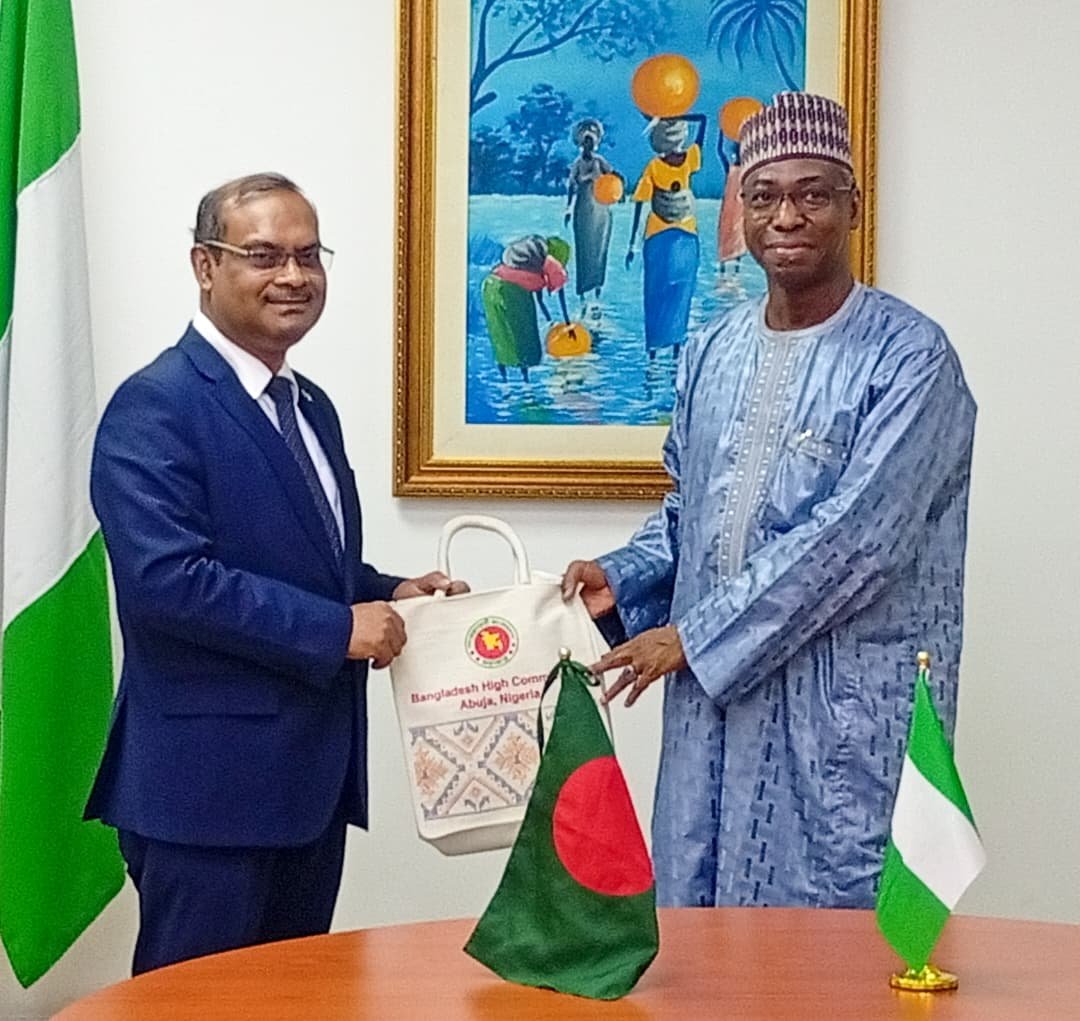
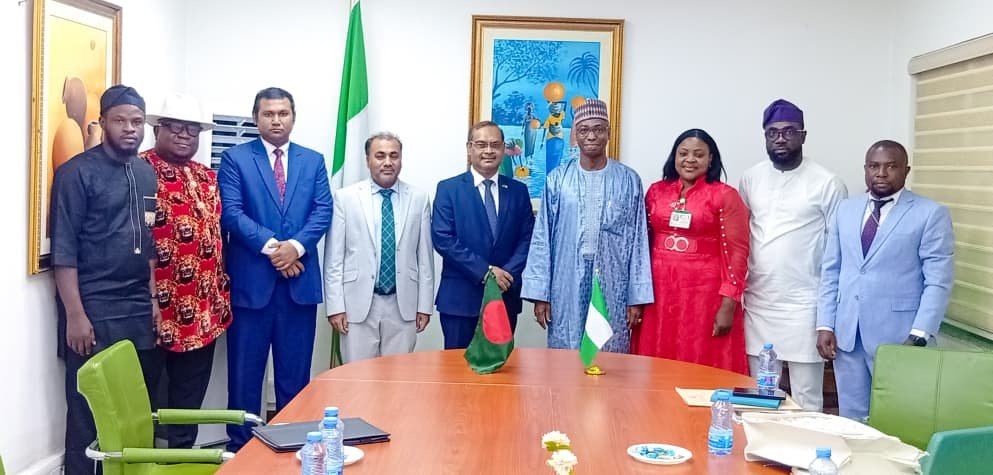
The talks took place on Wednesday in Abuja when the Permanent Secretary of the Ministry of Foreign Affairs, Ambassador Dunoma Umar Ahmed, received the High Commissioner of Bangladesh to Nigeria, Miah Md. Mainul Kabir.
According to a statement issued by the Ministry’s spokesperson, Kimiebi Imomotimi Ebienfa, both countries discussed several strategic areas of mutual interest, including trade, petroleum imports, agriculture, ICT, and military cooperation.
The meeting also highlighted the recent election of Bangladesh’s Foreign Minister, Khalilur Rahman, as President of the 81st United Nations General Assembly (UNGA), with Nigeria congratulating Bangladesh on the diplomatic milestone.
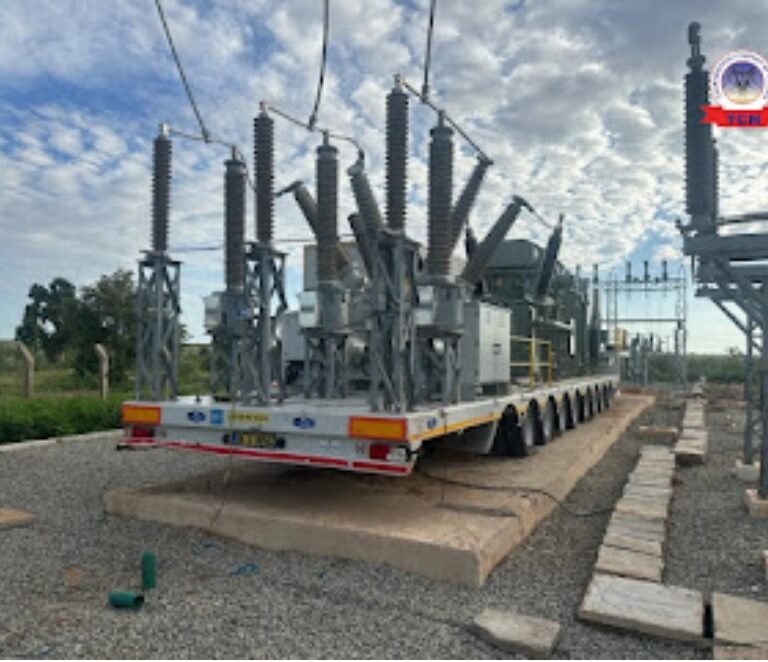
During the meeting, the Bangladeshi envoy disclosed that discussions are ongoing to finalize a Memorandum of Understanding (MoU) for the importation of petroleum and gas products from Nigeria.
He noted that Bangladesh views Nigeria as a strategic energy partner as it seeks to diversify its import sources.
Ambassador Ahmed assured the envoy that Nigeria’s Ministry of Foreign Affairs is working closely with the Federal Ministry of Petroleum to speed up the process.
The Permanent Secretary also invited Bangladeshi investors to explore opportunities in Nigeria’s mining, pharmaceuticals, ICT, agriculture, and textile sectors, especially efforts aimed at reviving Nigeria’s local textile industry and reducing youth unemployment.
On security cooperation, both countries discussed enhanced military and intelligence collaboration to address terrorism and other transnational security challenges.
Nigeria also sought Bangladesh’s support for its bid for a non-permanent seat on the United Nations Security Council (UNSC) for the 20302031 term.
Both sides agreed to finalize arrangements for the inaugural session of their bilateral consultation mechanism to strengthen diplomatic engagement between both countries.