
By Gabriel Ameh
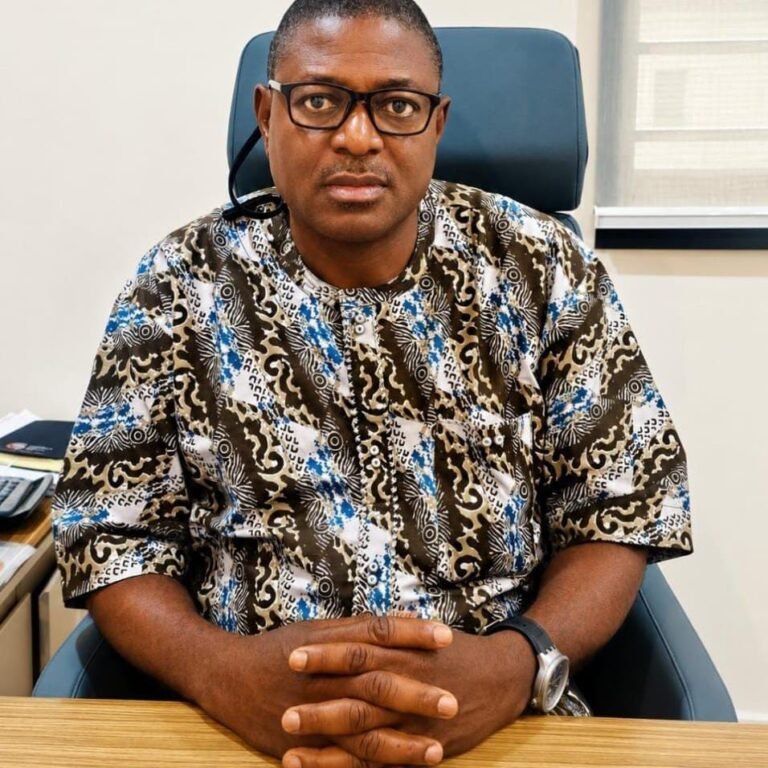
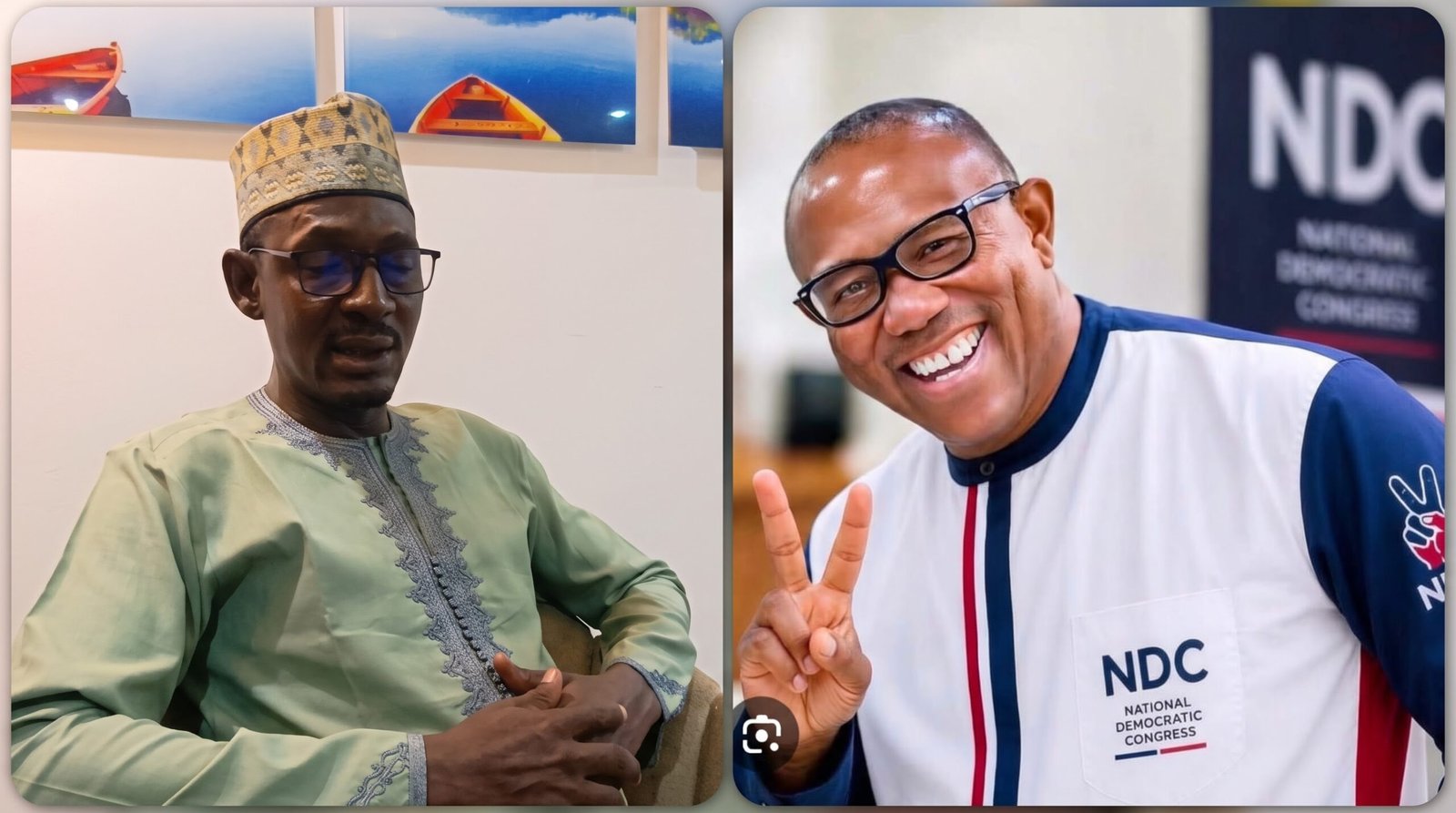
A member of the Intellectual Alliance for Good Governance (IAGG), Sidi Nasara Ali, has expressed a preference for Peter Obi ahead of the 2027 presidential election, urging Nigerians to choose leaders based on competence, integrity and proven performance rather than ethnic, religious or political considerations.
Ali, a lecturer at the National Institute for Hospitality and Tourism, said Nigeria needed a disciplined, physically and mentally capable leader who understands the economic difficulties facing ordinary citizens and considers public office a responsibility rather than an opportunity for personal enrichment.
Speaking with journalists in Abuja, he argued that the country could no longer afford extravagant leadership amid rising public debt, economic hardship and persistent insecurity.
He cited former President Umaru Musa Yar’Adua as an example of responsible leadership, recalling that the late president retained official vehicles and facilities inherited from his predecessor instead of spending public funds on unnecessary replacements.
Ali maintained that public resources should be directed towards improving citizens’ welfare rather than expensive convoys, luxury vehicles and elaborate political displays.
“I would prefer having a miser than somebody who is extravagant with the commonwealth of the country,” he said.
On the 2027 presidential election, Ali said he personally viewed Obi favourably, citing his national recognition and political appeal. He also compared his preference for Obi with that of former presidential candidate and activist Omoyele Sowore.
However, he clarified that his position represented his personal assessment and should not be regarded as an official endorsement by the Intellectual Alliance for Good Governance.
The lecturer urged Nigerians to critically examine the records of presidential aspirants, including their performance in public office, private-sector experience, policy decisions and ability to address the country’s challenges.
He pointed to Obi’s tenure as governor of Anambra State, particularly the Anambra Integrated Development Strategy (ANIDS), as an example of governance driven by planning and policy innovation.
He also referenced reported improvements in education and healthcare during Obi’s administration, arguing that voters should prioritise measurable achievements when assessing candidates.
Ali warned against allowing personal affection for politicians to influence electoral decisions, insisting that Nigeria needed leaders capable of delivering practical results rather than relying on popularity.
He also questioned the effectiveness and transparency of cash distribution programmes presented as poverty alleviation measures.
According to him, public funds could deliver more sustainable benefits when invested in infrastructure, healthcare, education and employment opportunities.
He argued that direct cash distributions required stronger transparency and accountability to ensure that beneficiaries and the amounts disbursed could be independently verified.
On national unity, Ali urged young Nigerians to reject political narratives that divide citizens along ethnic and religious lines.
He said Nigerians could maintain their cultural and religious identities while developing a stronger sense of national belonging.
Drawing from his experiences at Federal Government College, the University of Jos and during his National Youth Service Corps programme in Lagos, he explained that interactions across different cultural and religious backgrounds had strengthened his appreciation of Nigeria’s diversity.
He called for stronger national integration programmes, including educational and youth exchange initiatives, to encourage understanding and cooperation among young people from different parts of the country.
Ali also rejected the description of Nigerian youths as lazy, arguing that many were hardworking but lacked the opportunities, enabling environment and institutional support needed to succeed.
He encouraged young people to demand accountability from political leaders while acquiring relevant skills and building networks across the country.
Explaining the emergence of the Intellectual Alliance for Good Governance, Ali said the organisation developed from discussions among lecturers and academics from different institutions, states, ethnic groups and religious backgrounds.
He said the initial conversations focused on educational challenges in Kano and Jigawa states before expanding to broader national issues, including governance, leadership and development.
According to him, IAGG provides a platform for intellectual engagement, policy assessment and collective contributions towards improving Nigeria.
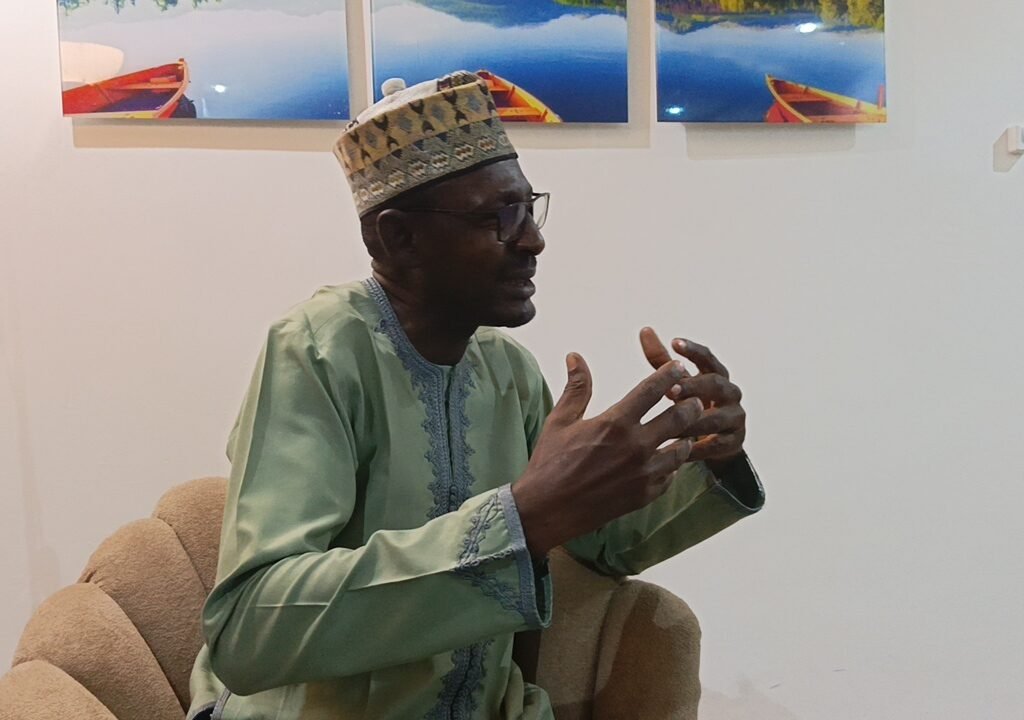
Ali explained that its membership cuts across academic disciplines and backgrounds, allowing members to examine government policies from different perspectives.
He maintained that Nigeria needed leaders capable of uniting the country, managing public resources responsibly and delivering measurable improvements in citizens’ lives.
He urged voters to look beyond political sentiments and demand candidates whose previous records demonstrate their ability to govern effectively.
Source: Statements by Sidi Nasara Ali during an interview with journalists in Abuja.