
0-0x0-0-0-{}-0-0#
By Gabriel Ameh
📍Abuja | Media360Impact Report
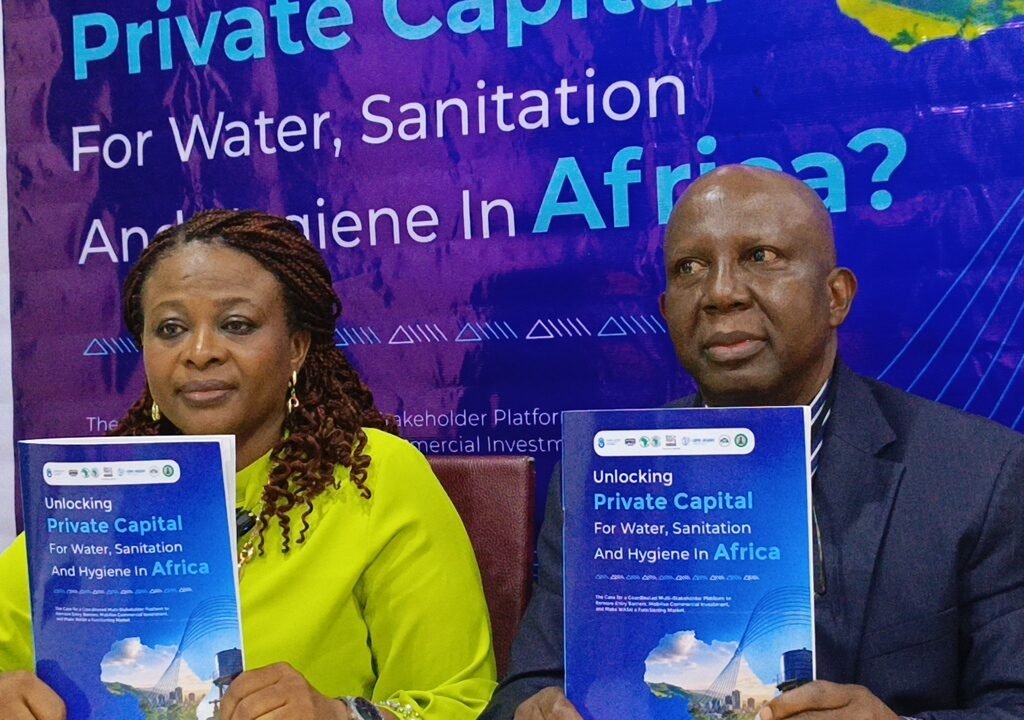
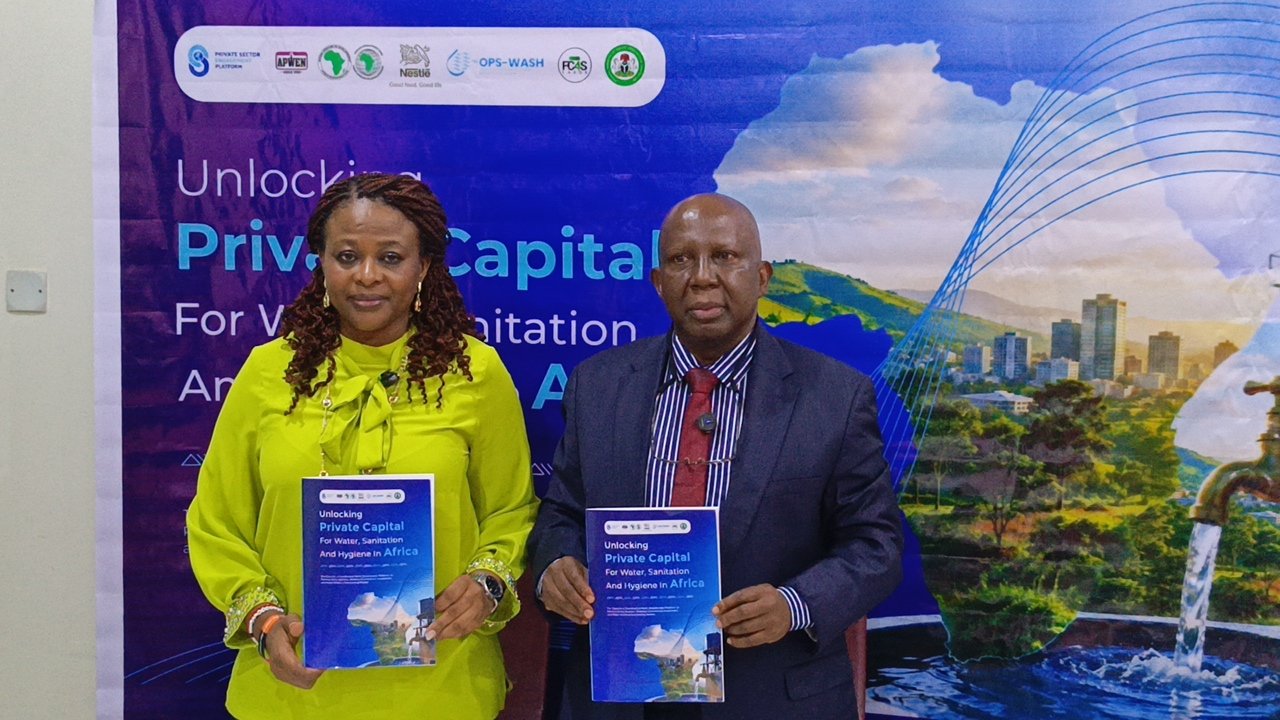
The Organized Private Sector in Water, Sanitation and Hygiene (OPS-WASH) has called for urgent reforms to unlock private sector investment in Africa’s water and sanitation sector, warning that weak institutional structures and political interference are preventing billions of dollars from flowing into critical infrastructure.
Speaking during a press conference in Abuja on Tuesday, the Global Head and National Coordinator of OPS-WASH, Dr. Nicholas Igwe, said Africa’s WASH crisis is not primarily caused by a lack of funding or technology, but by the absence of a commercially viable and legally stable institutional framework.
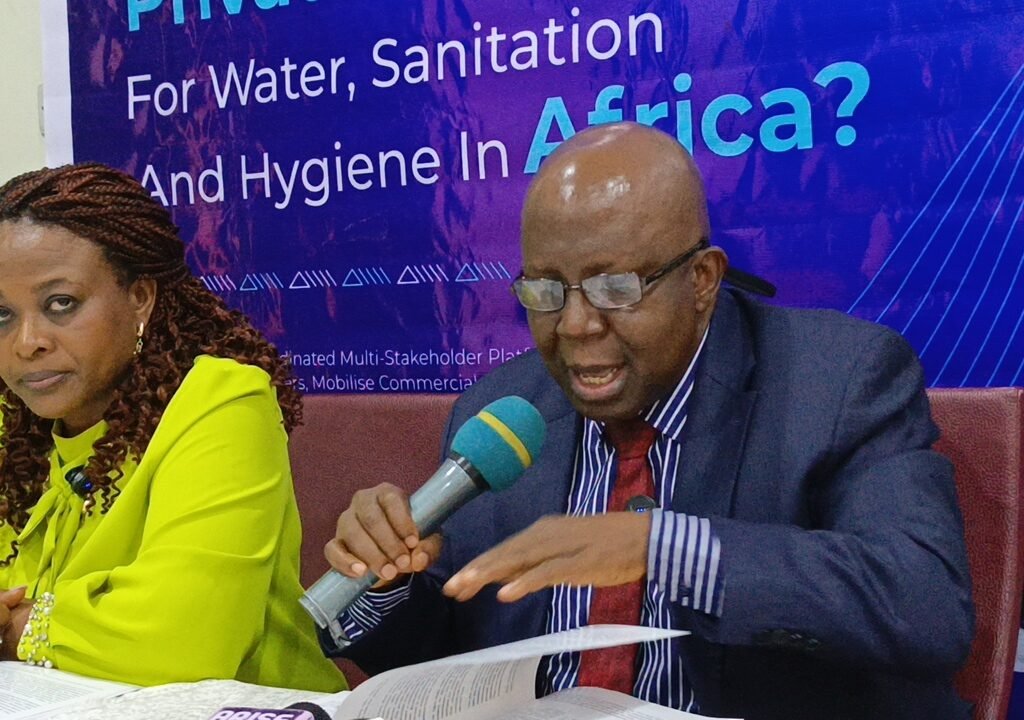
According to him, private investors are willing to invest in water and sanitation projects when there are guaranteed revenue streams, reliable off-takers, and regulatory certainty.
“Private sector investors come in because they know there is revenue and there are off-takers. In some countries, industries sign long-term concessions for water treatment projects, making investment viable,” he said.
He identified several barriers discouraging investment in the WASH sector, including political interference, poor risk allocation, weak regulatory systems, project preparation deficits, and long payback periods.
Dr. Igwe explained that investors are often reluctant to commit billions of dollars to projects that may take 15 to 20 years before yielding returns, especially in environments where government policies can change abruptly after political transitions.
“The government today may have the political will, but another administration can come tomorrow and reverse agreements. That uncertainty discourages private capital,” he added.
He noted that while sectors such as telecommunications, energy, housing and health have successfully attracted private investment through liberalisation and regulatory reforms, the WASH sector in many African countries remains heavily dependent on donor agencies and civil society organisations.
Drawing comparisons with Nigeria’s telecom revolution after the liberalisation reforms of the 1990s, he said similar institutional restructuring is needed in the water and sanitation sector.
“Today, telecom companies operate successfully because the system allowed private capital to come in. The same model can transform the WASH sector if the right frameworks are established,” he said.
The OPS-WASH coordinator further stressed that achieving Sustainable Development Goal 6 on universal access to clean water and sanitation would require approximately $114 billion annually worldwide, a figure he said cannot be met through donor funding alone.
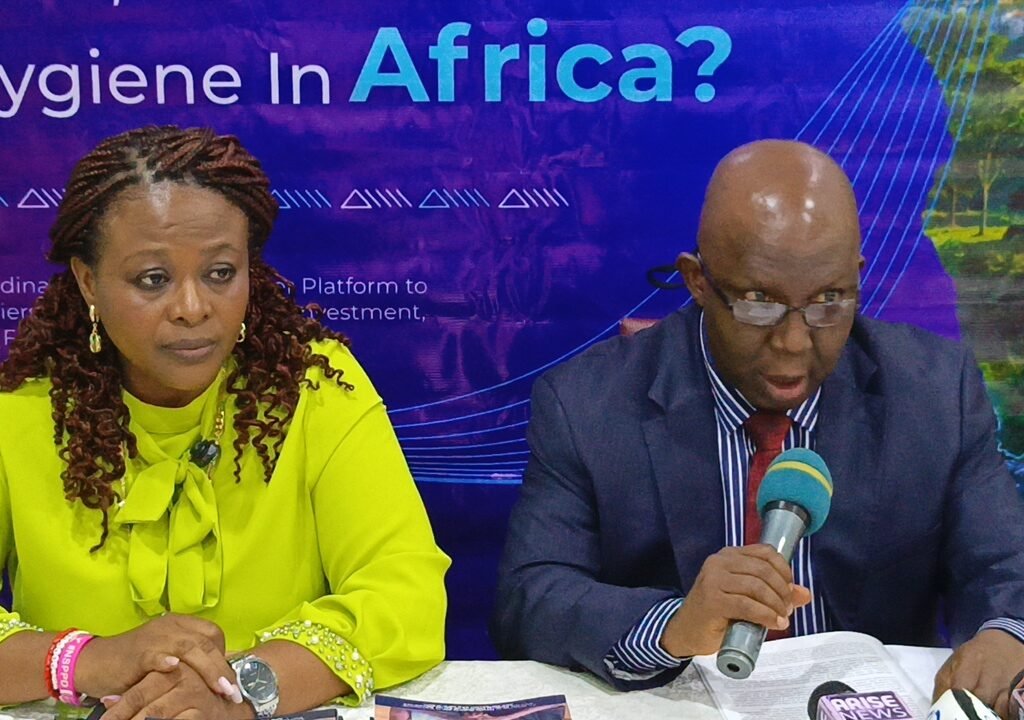
He described the challenge as an “architectural problem,” arguing that Africa already possesses the capital, technology, engineering expertise and political commitments needed, but lacks the institutional arrangement to coordinate them effectively.
According to him, over 600 million Africans still lack reliable access to safe drinking water, while nearly twice that number lack basic sanitation services.
He called for stronger collaboration between governments, development partners and private investors to create commercially disciplined and legally robust structures capable of supporting long-term infrastructure investments across the continent.
Full story on Media360Impact 👇 www.media360impact.com
Follow media360impact for credible people centered reporting