
By Gabriel Ameh
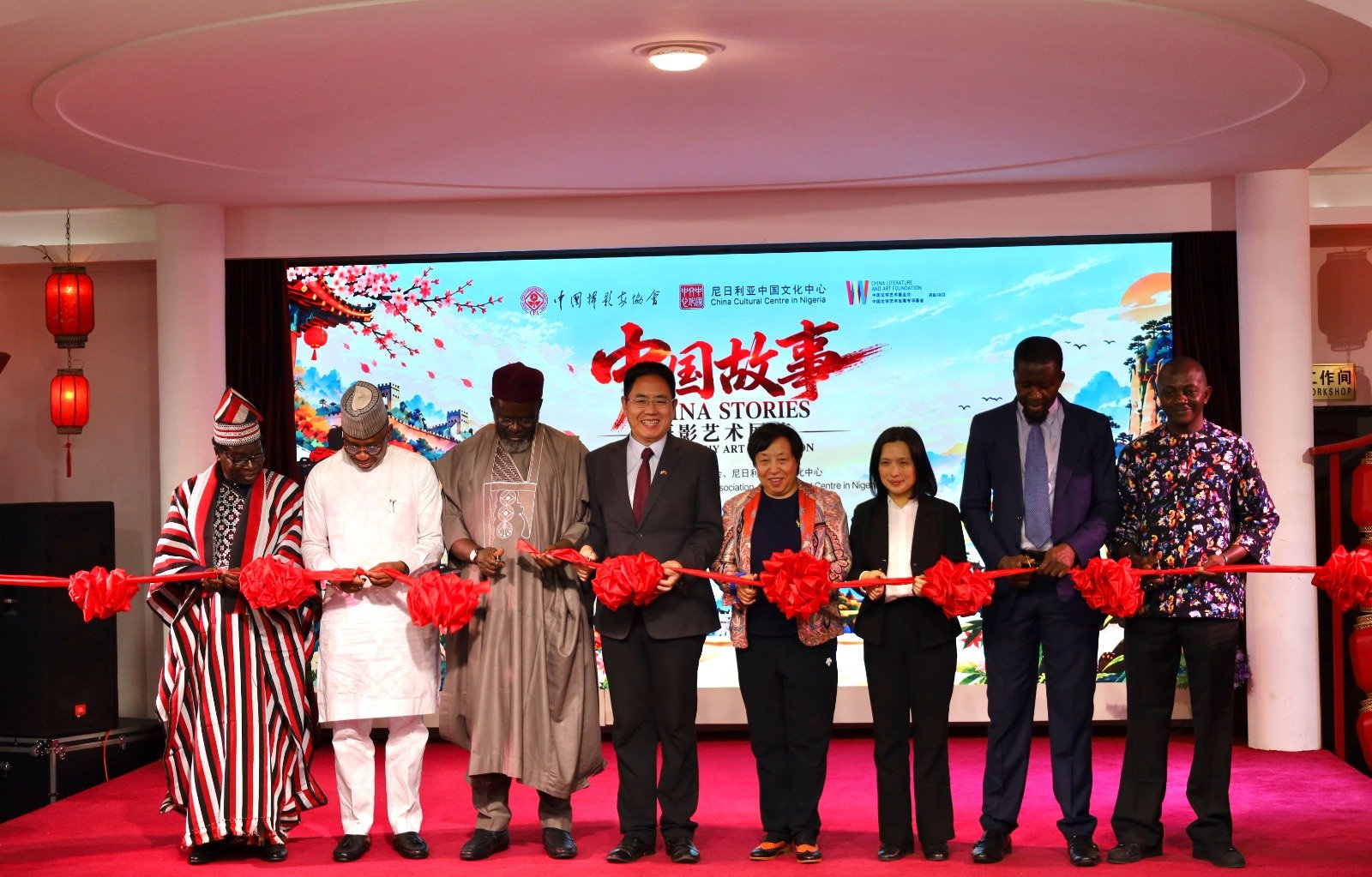
China has called for stronger cultural exchanges and creative partnerships with Nigeria, using photography and artistic collaboration to deepen people-to-people relations between both countries.
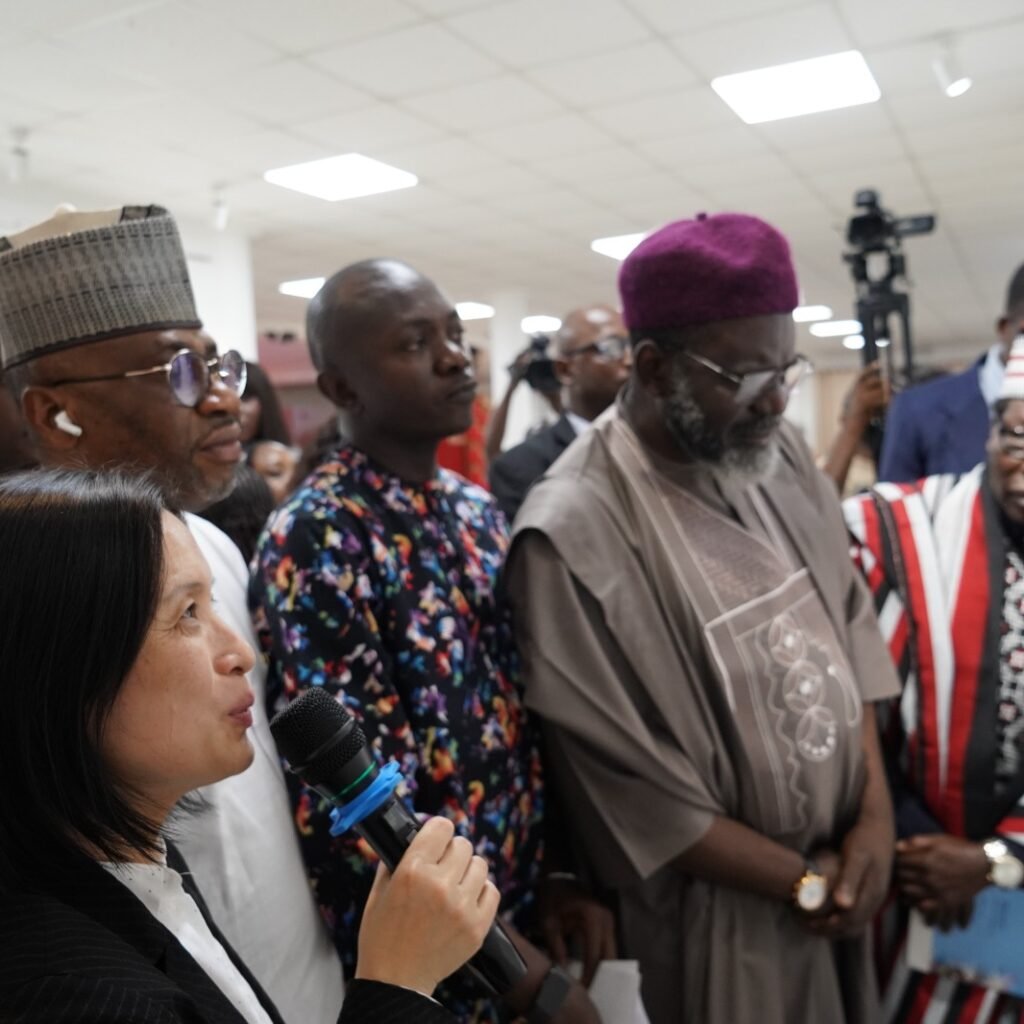
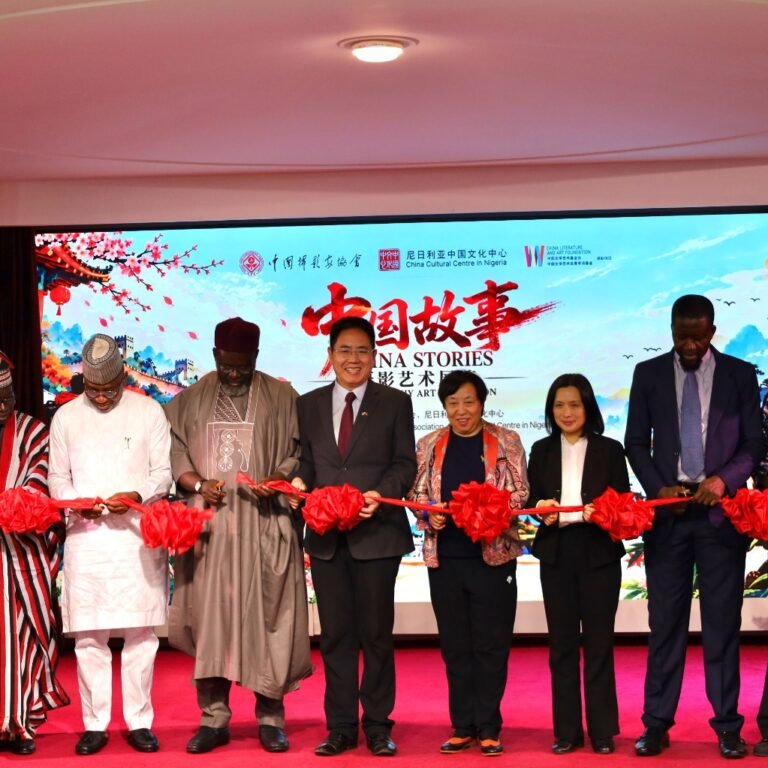
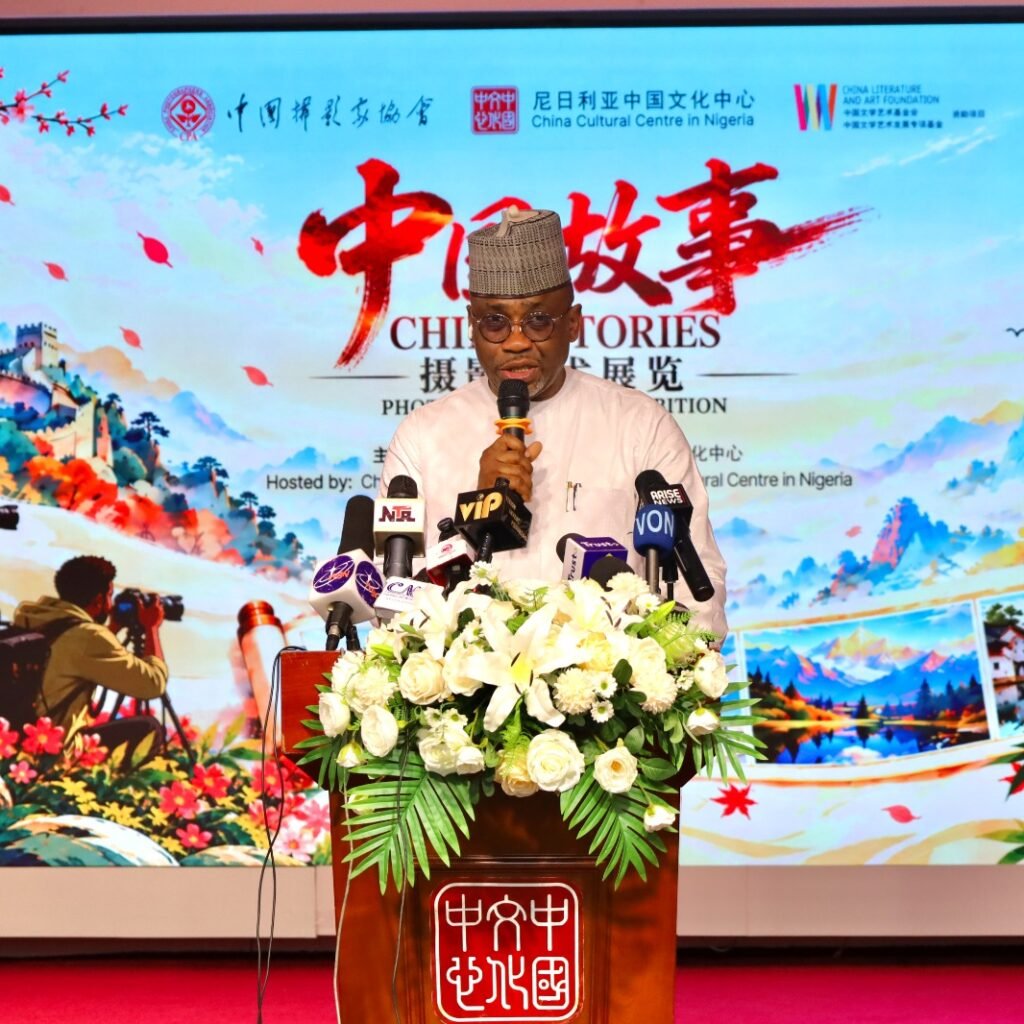
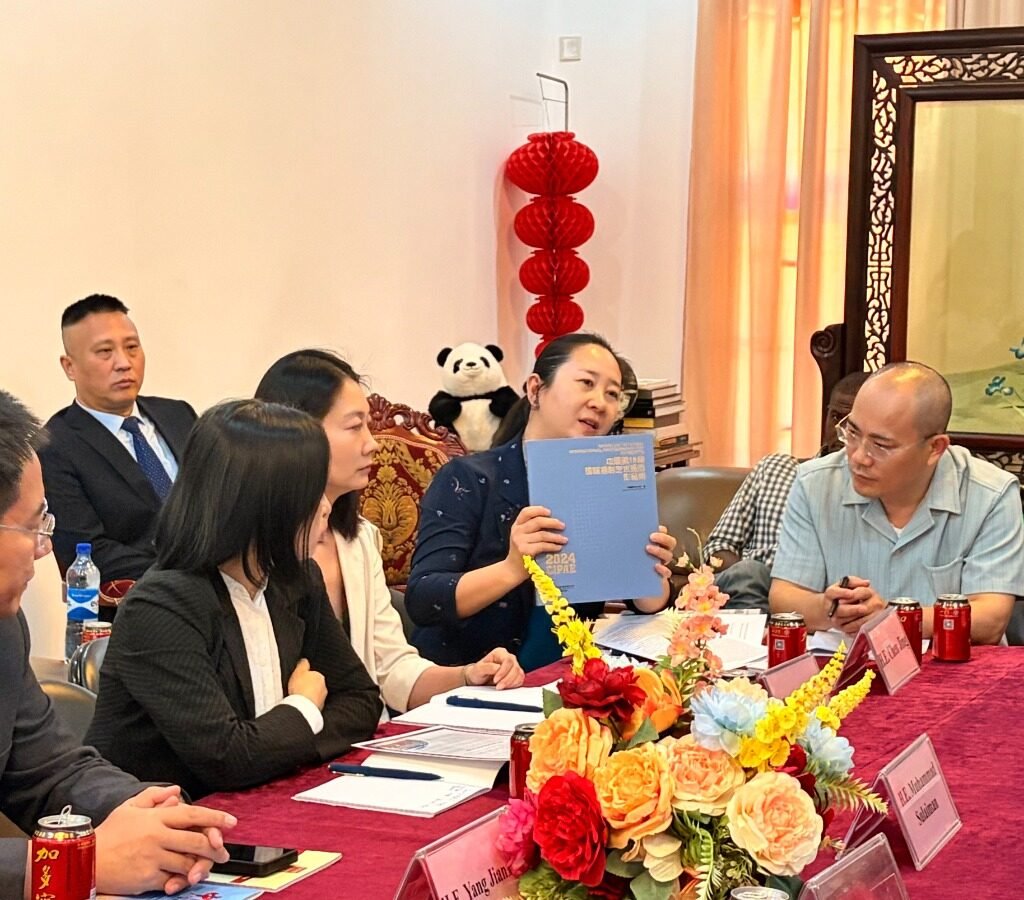
Chinese Cultural Counsellor, Yang Jianxing, made the call on Wednesday, November 18, 2026, at the opening of the China Stories: Photography Art Exhibition organised at the China Cultural Centre in Abuja.
Yang said the exhibition reflected China’s commitment to implementing the outcomes of the 2024 Beijing Summit of the Forum on China-Africa Cooperation (FOCAC) and advancing the Global Civilization Initiative.
He described photography as a universal language capable of connecting people across cultural and national boundaries, explaining that images could preserve history, communicate human experiences and promote mutual understanding.
The exhibition featured 40 photographic works showcasing China’s cultural heritage, economic transformation, social development and modernisation.
According to Yang, the collection offered Nigerian audiences an opportunity to understand contemporary China through the experiences and perspectives captured by photographers.
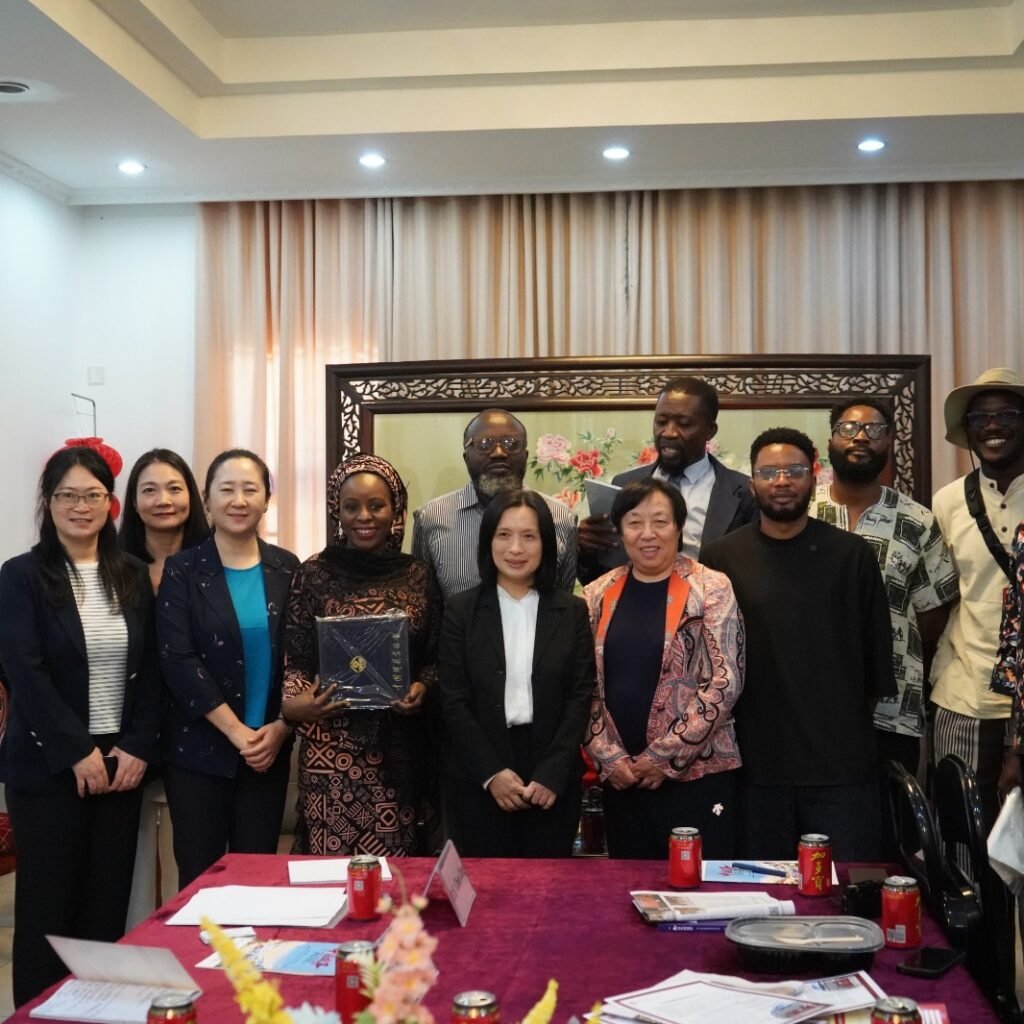
He expressed hope that the participation of the China Photographers Association would strengthen professional relationships between Nigerian and Chinese photographers and encourage more artistic collaborations.
China highlights economic transformation
Beyond cultural exchanges, Yang used the exhibition to highlight China’s economic and social development over the past decades.
He said China’s economy recorded an average annual growth rate of 8.9 per cent between 1979 and 2023, compared with the global average of 3.0 per cent during the same period.
He added that China’s Gross Domestic Product reached 140.19 trillion yuan, approximately $20.28 trillion, in 2025, representing a five per cent increase from the previous year.
The Chinese diplomat also said the country’s development had lifted close to 800 million people out of extreme poverty, citing World Bank data.
He attributed the achievements to the collective efforts of the Chinese people under the leadership of the Communist Party of China, noting improvements in education, healthcare, social security, urbanisation and environmental protection.
Nigeria-China mark 55 years of diplomatic relations
Yang described 2026 as an important year in Nigeria-China relations, marking 55 years since the establishment of diplomatic ties between both countries.
He said the relationship had developed through decades of political support, economic cooperation and cultural exchanges, describing it as an example of cooperation among countries of the Global South.
He also highlighted China’s implementation of zero-tariff treatment for 53 African countries with which it maintains diplomatic relations, including Nigeria, as part of efforts to expand trade and economic opportunities.
Yang further referenced Chinese President Xi Jinping’s proposals on China’s constructive participation in addressing Africa’s hotspot issues and cooperation in the mining sector.
He said the initiatives reflected China’s commitment to respecting African countries’ sovereignty and development interests.
The diplomat urged Nigeria and China to strengthen cooperation in advancing their respective modernisation goals and building an all-weather China-Africa community with a shared future.
NBC seeks stronger creative partnerships
In his goodwill message, the Director-General of the National Broadcasting Commission (NBC), Charles Ebuebu, called for stronger partnerships between Nigerian and Chinese broadcasters, filmmakers, photographers and digital content creators.
Ebuebu said both countries could benefit from joint documentary productions, photography projects, cultural programmes, exchange visits and creative industry partnerships.
He explained that such collaborations would create opportunities for both countries to promote their cultural identities and take their stories to wider international audiences.
The NBC director-general noted that developments in broadcasting and digital technology had transformed international communication, making it easier for cultural productions to reach audiences across geographical boundaries.
However, he cautioned that technological connectivity alone could not guarantee mutual understanding, stressing the need for authentic, balanced and diverse storytelling.
“Broadcasting is therefore much more than the transmission of information and entertainment. It is an instrument of cultural diplomacy, an avenue for preserving heritage and a platform for promoting mutual understanding among nations,” he said.
Ebuebu also warned against one-sided cultural exchanges, emphasising that partnerships should encourage mutual appreciation without undermining the indigenous identities, traditions and cultural values of either country.
He said stronger creative collaboration could promote cultural tourism, encourage knowledge transfer and create economic opportunities for professionals in both countries.
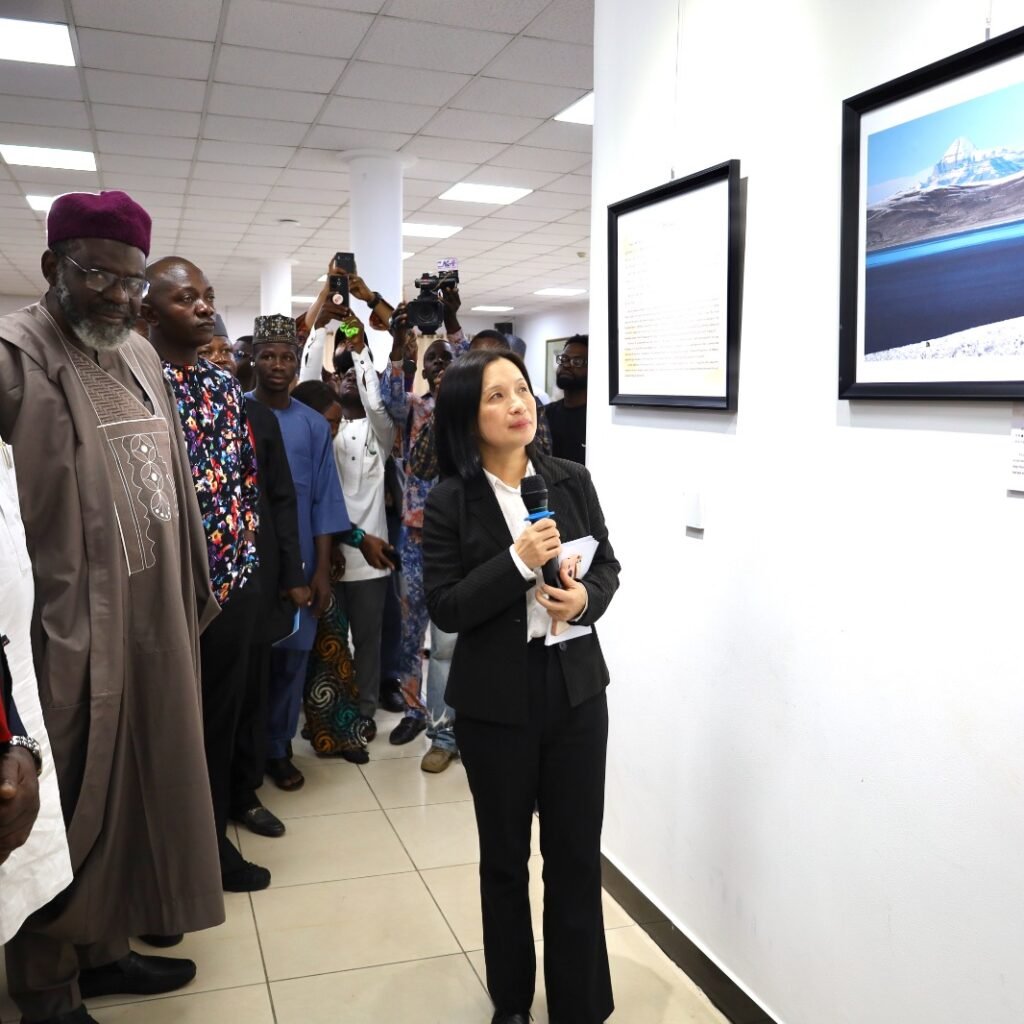
Federal Government welcomes photography collaboration
Also speaking, the Permanent Secretary of the Federal Ministry of Arts, Culture, Tourism and Creative Economy, Abdulkarim Ozi, welcomed the Chinese delegation and described photography as an important tool for preserving history and communicating national identity.
Ozi said the exhibition provided an opportunity for Nigerian and Chinese photographers to establish stronger professional relationships through joint exhibitions, training and other creative collaborations.
He emphasised that patience, discipline and cultural sensitivity were essential qualities in photography, noting that photographers must understand communities, listen to their stories and respect their traditions before documenting their experiences.
The exhibition underscored the growing role of cultural diplomacy in Nigeria-China relations, with stakeholders expressing support for stronger cooperation across photography, broadcasting, filmmaking, tourism and the wider creative industry.