
By Gabriel Ameh
In northwestern Nigeria, particularly in Zamfara State, the rainy season no longer brings only relief from extreme heat. For thousands of vulnerable families, it signals the arrival of disease outbreaks, worsening hunger and avoidable deaths.
Between May and September each year, communities battle devastating floods, rising cases of malaria and cholera, and severe food shortages. For residents already displaced by years of armed violence, the consequences are often deadly.
Years of insecurity in Zamfara including kidnappings, village attacks, cattle rustling and armed raids have forced thousands from their homes, destroyed livelihoods and weakened access to healthcare and other essential services. As heavy rains begin, the fragile humanitarian situation deteriorates further.
Rainy Season Sparks Disease Outbreaks
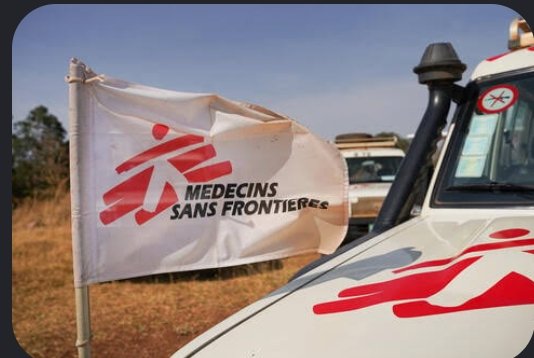
According to medical workers with Médecins Sans Frontières (MSF), the rainy season significantly increases the spread of infectious diseases across affected communities.
“The rainy season affects the way we see patients. It increases the risks and transmission of diseases like malaria, cholera and other acute watery diarrheal diseases,” said Sani Adamu, Nursing Activity Manager at an MSF-supported hospital in Zamfara.
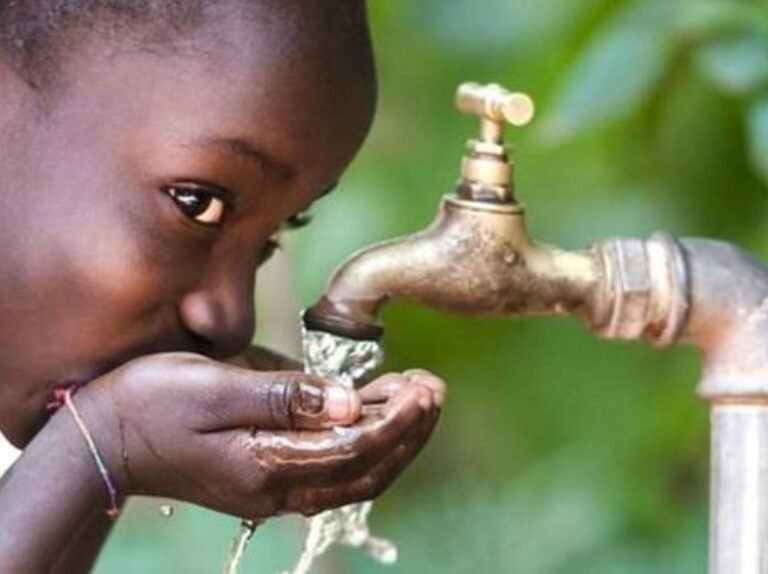
Pools of stagnant water created by flooding provide ideal breeding grounds for mosquitoes, leading to a sharp rise in malaria cases. At the same time, contaminated water sources expose residents to cholera, typhoid fever and other waterborne illnesses.
Children and pregnant women remain the most vulnerable.
MSF disclosed that in 2025 alone, it treated 136,778 malaria patients and 13,877 cholera cases across Zamfara State.
Health workers warn that poor sanitation, overcrowded living conditions and unsafe drinking water are worsening the spread of disease in many communities.
“Flooding washes waste and faecal matter into water sources. People use the water, children play in it, and infections spread rapidly,” Adamu explained.
When Illness Turns Fatal
For many families, delayed access to healthcare can quickly turn a treatable illness into a life-threatening emergency.
Rakiya Usman, a resident of Shinkafi Local Government Area, recalled how her grandson, Auwalu Biliya, became critically ill after contracting typhoid fever earlier this year.
“We took him to the hospital in Shinkafi and doctors said his intestines had been affected.
They explained that contaminated food and dirty water can cause the illness,” she said.
The child later developed severe complications and was transferred to an MSF-supported General Hospital in Zurmi for emergency surgery.
Medical experts say typhoid perforation occurs when bacteria from contaminated food or water severely damage the intestines.
“Early treatment is very important,” Adamu said. “When patients arrive late, the intestine can rupture, and surgery becomes the only option to save the patient’s life.”
While Auwalu survived after receiving treatment, many others reportedly do not reach hospitals on time.
Hunger and Disease Fuel a Humanitarian Crisis
The rainy season also coincides with the annual lean season a period when household food supplies run out while communities wait for new harvests.
As hunger worsens, undernourished children become more vulnerable to diseases like malaria and cholera.
MSF said it treated 60,566 malnourished children in Zamfara during 2025.
“All groups are affected, but children under 15 years and pregnant women face the highest risks,” Adamu noted.
Families displaced by violence are among the hardest hit, often lacking food, shelter, clean water and access to medical care.
Healthcare Access Remains Limited
Despite the growing health emergency, access to treatment remains a major challenge for many rural communities.
Insecurity has cut off several areas, while many health facilities remain understaffed and poorly equipped. Flooded roads and damaged bridges further isolate vulnerable settlements during the rainy season.
For displaced mother Saratu, accessing medical treatment for her sick daughter became an exhausting struggle.
“We live close to the river and sometimes sleep in the bush. We don’t even have mosquito nets,” she said. “During the rainy season, many children fall sick with malaria at the same time.”
She explained that transportation from Tudubali to Shinkafi costs about ₦10,000 a huge burden for families already struggling to survive.
Call for Urgent Preventive Measures
MSF says most illnesses and deaths recorded during the rainy season can be prevented through stronger public health interventions.
The organisation currently runs or supports four healthcare facilities across northern Nigeria to manage seasonal disease outbreaks and malnutrition cases.
Health experts are calling for improved sanitation, access to clean water, timely vaccinations and stronger healthcare support systems to reduce deaths during the rainy season.
“Preventive action before and during the rainy season is critical,” Adamu stressed. “Health facilities must be properly equipped to diagnose and treat patients quickly and effectively.”