
By Gabriel Ameh
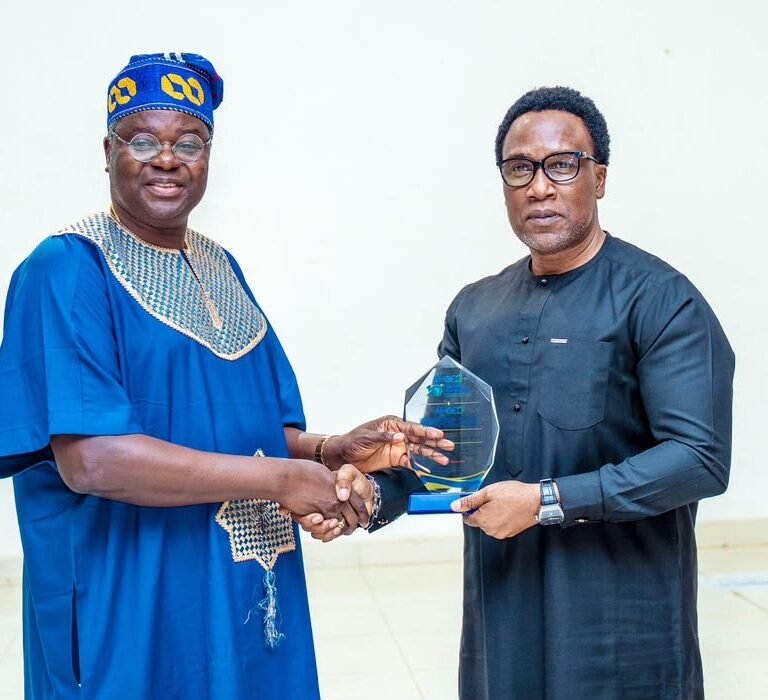
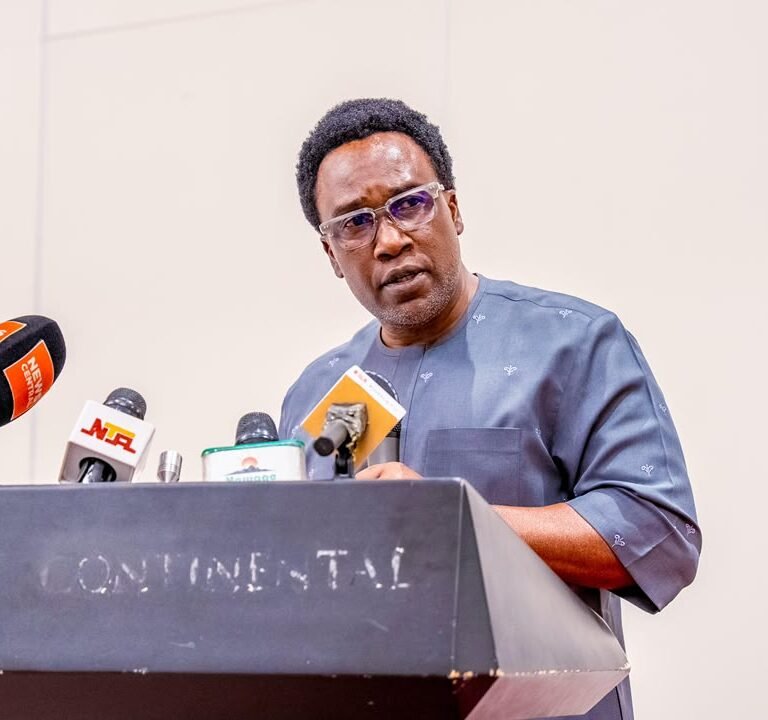
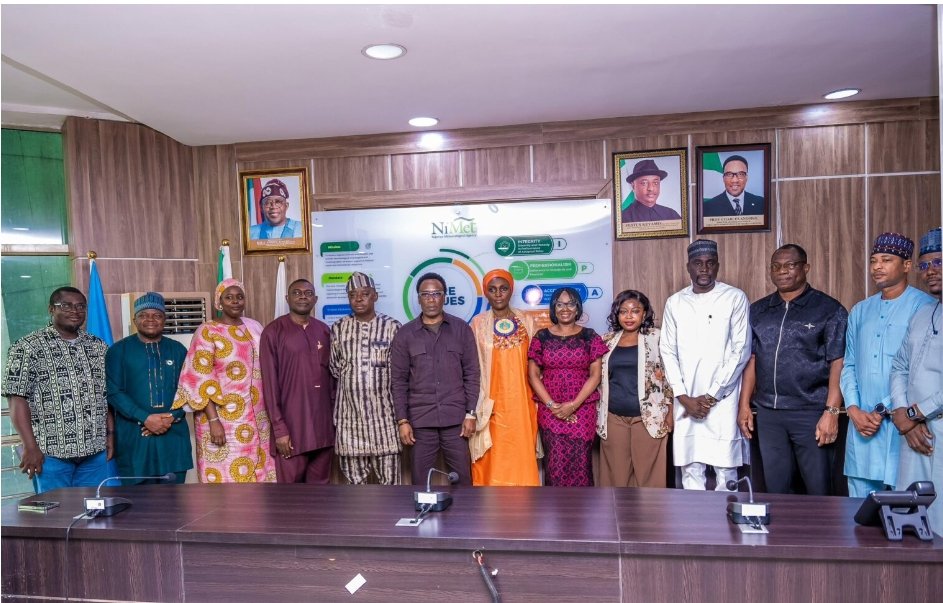
The Nigerian Meteorological Agency (NiMet), National Emergency Management Agency (NEMA), Nigerian Communications Commission (NCC), National Space Research and Development Agency (NASRDA) and other stakeholders are strengthening inter-agency collaboration to improve Nigeria’s early warning systems and disaster preparedness.
The collaboration is part of efforts to advance the implementation of the Early Warnings for All (EW4All) initiative in Nigeria and ensure that communities receive timely, accessible and actionable information before disasters occur.
Discussions among the participating agencies focused on strengthening coordination, improving the use of available technologies and ensuring that early warning information is effectively translated into timely action.
NiMet noted that the different institutions have complementary roles to play in building an effective national early warning system.
The agency’s forecasting capabilities can help identify and communicate weather and climate-related risks, while NEMA plays a critical role in disaster preparedness and response.
Similarly, the NCC’s telecommunications infrastructure can support the rapid dissemination of alerts and critical information to communities, while NASRDA’s space-related capabilities can contribute to environmental monitoring and the generation of information needed for disaster preparedness.
According to NiMet, the discussions further strengthened inter-agency coordination and reaffirmed the commitment of the participating institutions to developing effective early warning systems for Nigeria.

The agencies also emphasised the importance of a coordinated approach to disaster preparedness and climate resilience, with particular focus on systems that place people and communities at the centre.
EW4All to Strengthen Nigeria’s Disaster Preparedness
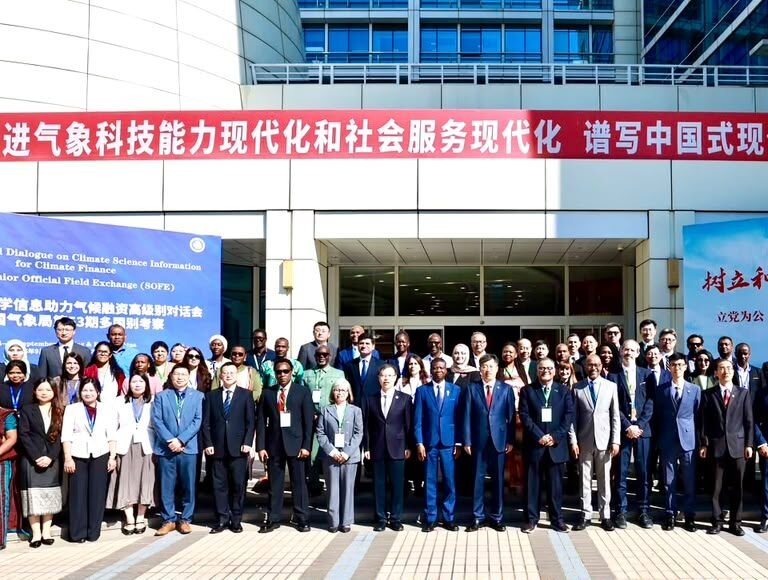
The EW4All initiative is part of a broader global effort to ensure that everyone is protected by early warning systems, particularly as climate change continues to increase the risks associated with some weather and climate-related hazards.
For Nigeria, effective implementation of the initiative is expected to strengthen the country’s ability to anticipate hazards, communicate risks and support early action before disasters occur.
The Nigeria EW4All Implementation Roadmap 2026–2029 is expected to provide a framework for translating the country’s early warning objectives into coordinated actions involving government institutions and development partners.
With the national launch approaching, the inter-agency meeting provided an opportunity for participating organisations to review progress, identify outstanding priorities and reinforce their shared responsibility for building a more resilient Nigeria.
NiMet stressed that sustained collaboration among relevant agencies would remain critical to ensuring that early warning information reaches communities in a timely, accessible and actionable form.
The agency said stronger coordination would help Nigeria improve its preparedness, reduce disaster risks and better protect lives and livelihoods across the country.