
By Gabriel Ameh
The Nigerian Meteorological Agency (NiMet) and Morocco’s General Directorate of Meteorology (DGM) have signed a Memorandum of Understanding (MoU) to strengthen weather forecasting, climate research and early warning systems through the exchange of expertise and technology.
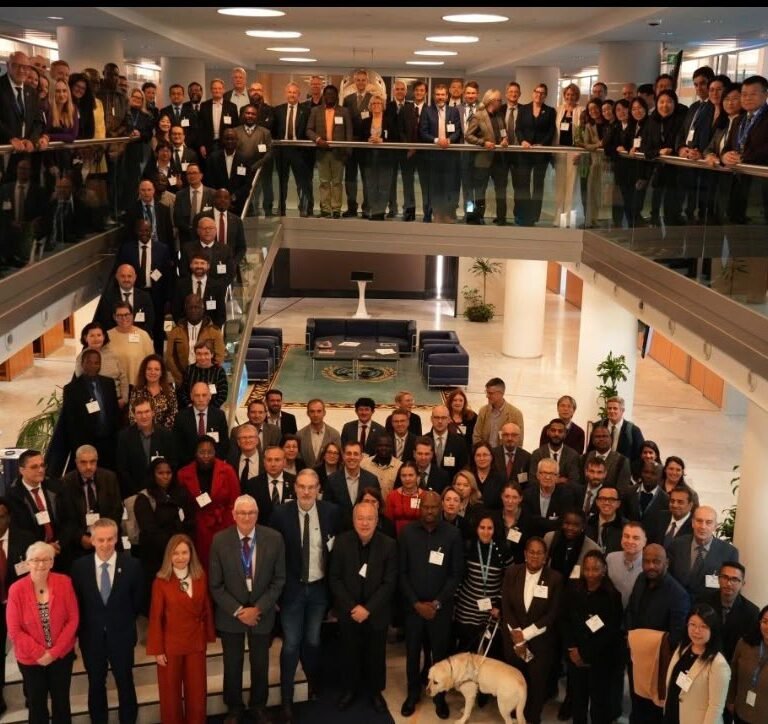
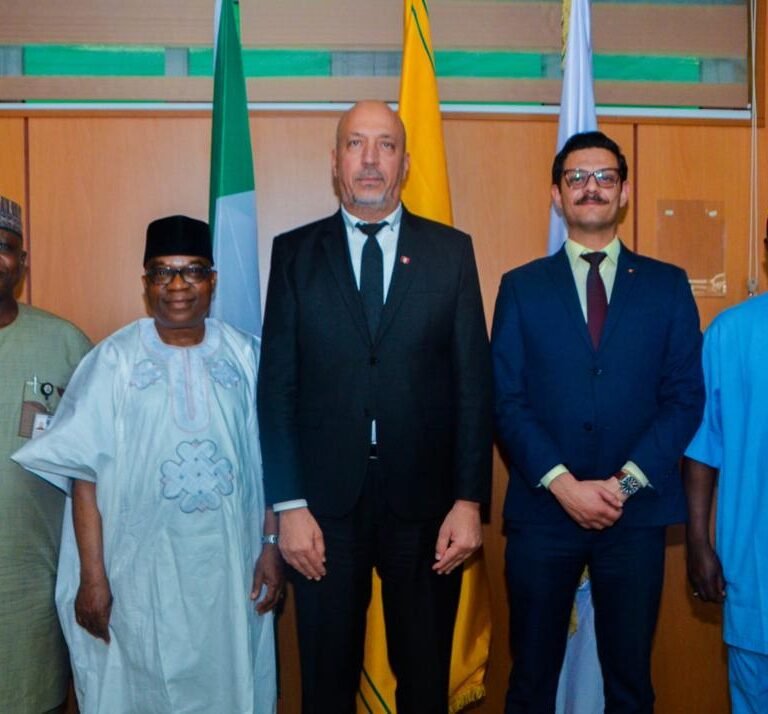
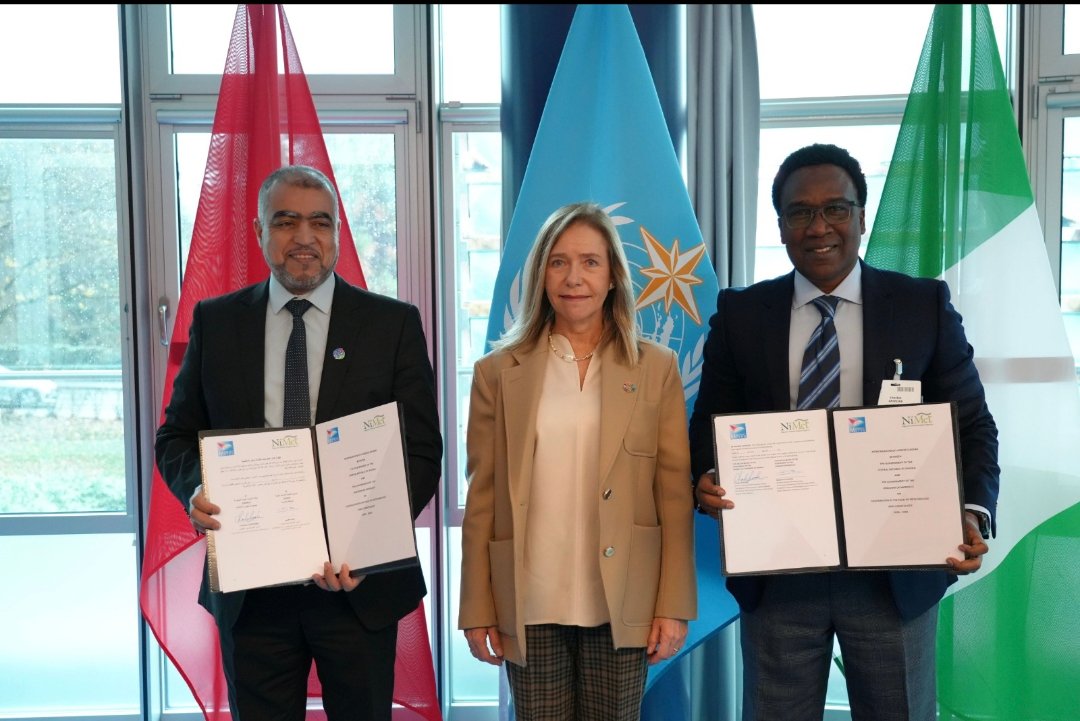
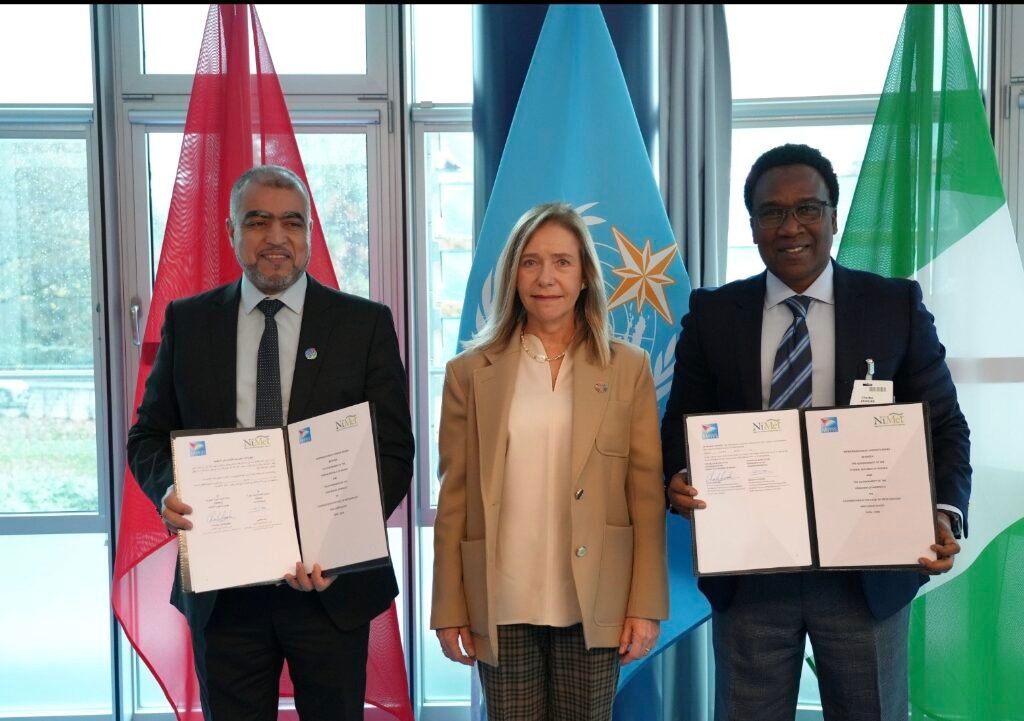
The agreement was signed by NiMet Director-General and Chief Executive Officer, Prof. Charles Anosike, and his Moroccan counterpart, Mohammed Dkhissi, on the sidelines of the ongoing World Meteorological Organisation (WMO) Commission for Observation, Infrastructure and Information Systems (INFCOM) session in Geneva, Switzerland.
Speaking at the signing ceremony, Anosike said the partnership would help showcase Africa’s growing capacity in meteorology and climate science while strengthening technical cooperation among countries in the region.
He noted that collaboration between Nigeria and Morocco could extend beyond the two countries to provide technical support to other African meteorological agencies, ensuring that countries with limited resources are not left behind in efforts to improve weather and climate services.
According to him, the partnership reflects the importance of regional cooperation in addressing weather-related challenges and improving access to reliable climate information.
“Together, we can do better,” Anosike said, stressing that the collaboration would help strengthen African expertise and promote shared solutions to climate-related challenges.
Dkhissi said the agreement was built on mutual benefit, adding that both countries would exchange knowledge, experience, expertise and technological innovations to improve their respective meteorological services.
He stressed that the MoU was not intended to remain a document but would be implemented immediately to deliver practical results.
The signing was witnessed by WMO Secretary-General, Prof. Celeste Saulo, who welcomed the agreement and described cooperation as central to the organisation’s mission.
Saulo congratulated the two countries and their meteorological agencies, noting that the WMO also stood to benefit from the knowledge and experience generated through the partnership.
The agreement will cover weather forecasting, seasonal climate prediction, early warning systems, meteorological and climate research, and the development of climate services for key socioeconomic sectors.
Other areas include meteorological observation and measurement systems, instrument calibration, telecommunications, data management, institutional capacity building, technical support, knowledge and technology transfer, and joint research and innovation.
The two agencies will also explore the development of digital meteorological services, artificial intelligence applications for weather and climate forecasting, Quality Management Systems and other projects of mutual interest.
The partnership is expected to strengthen the capacity of both institutions, improve access to reliable weather information and support the development of more effective early warning systems to protect lives, livelihoods and economic activities across the region.