
By Emeka Uga Laz. | Abuja
President Tinubu directs SGF, George Akume, to establish a quarterly policy dialogue forum between the Federal Government and civil society organisations (CSOs) to strengthen public accountability and ensure citizens’ concerns inform government policies.
Ahead of the 2027 general elections, civil society groups in the country have cautioned the Independent National Electoral Commission (INEC) and political players against actions that would compromise the provisions contained in the amended Electoral Act, to birth a free and credible poll that would be acceptable to the generality of Nigerians.
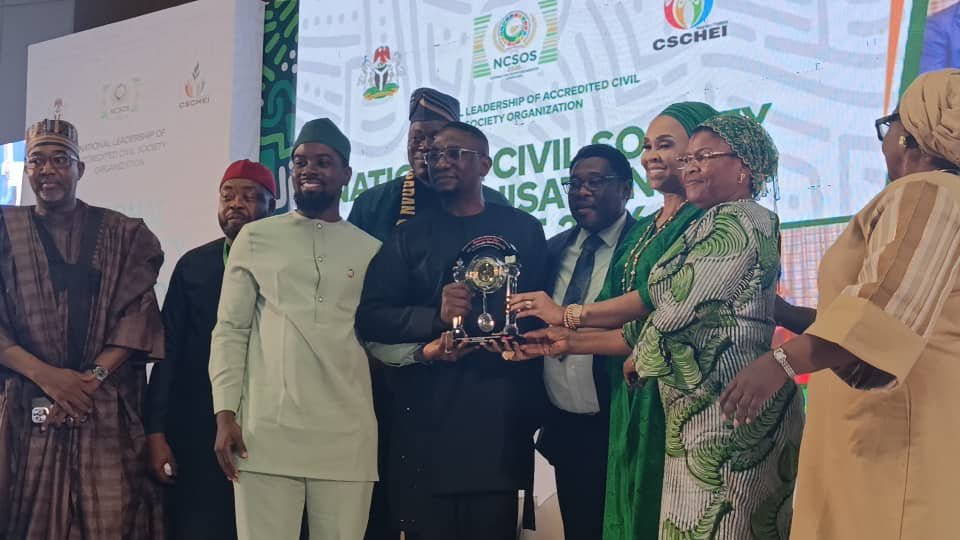
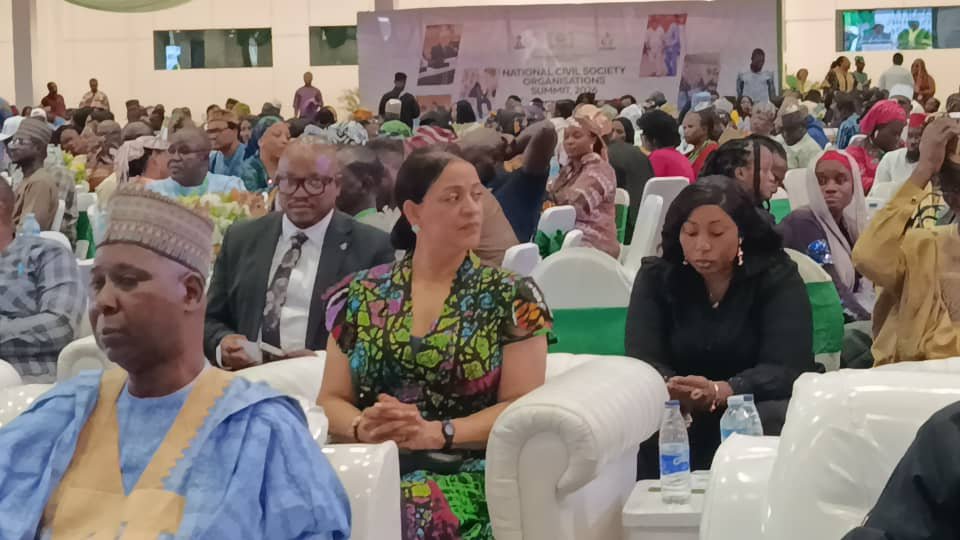
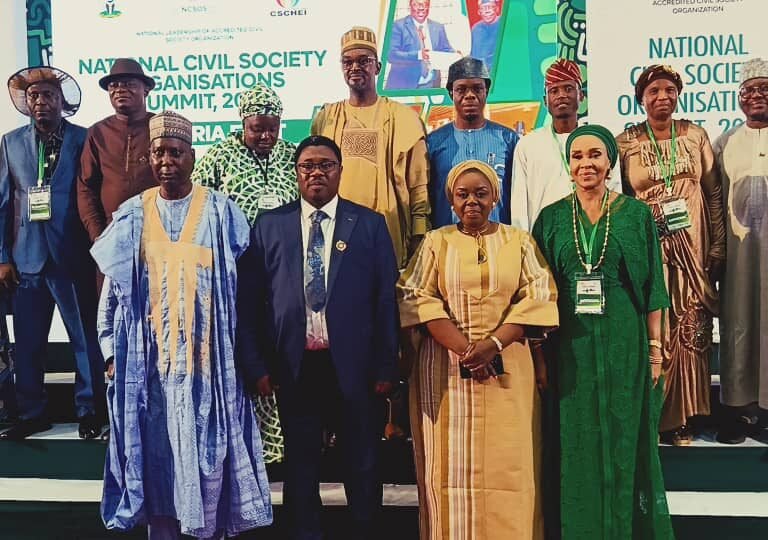
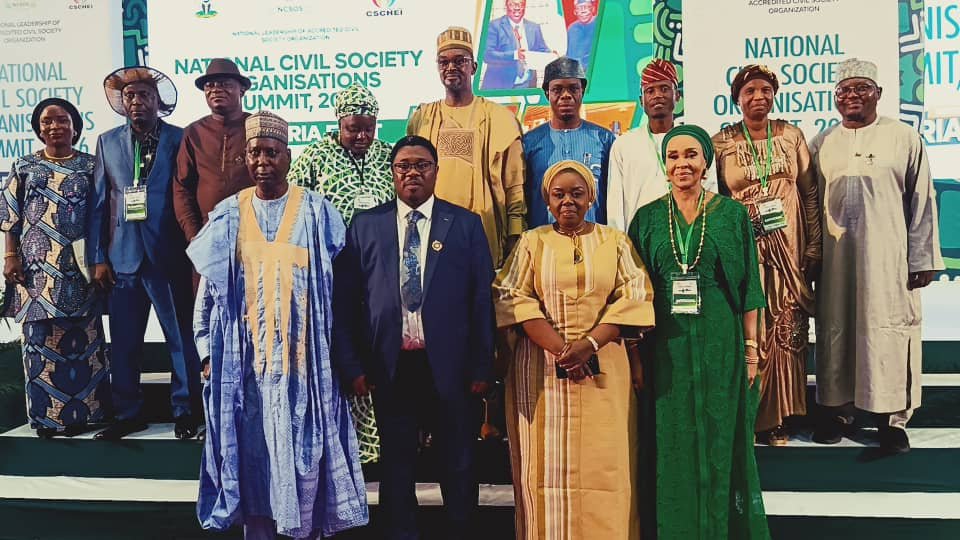
The groups, at a National Civil Society Organisations Summit 2026 convened in Abuja on Friday, reminded INEC of the shortfalls that characterised the 2023 general elections, such as vote buying, inadequate logistical preparations, and insufficient public enlightenment, among others, and urged it to guard against their recurrence.
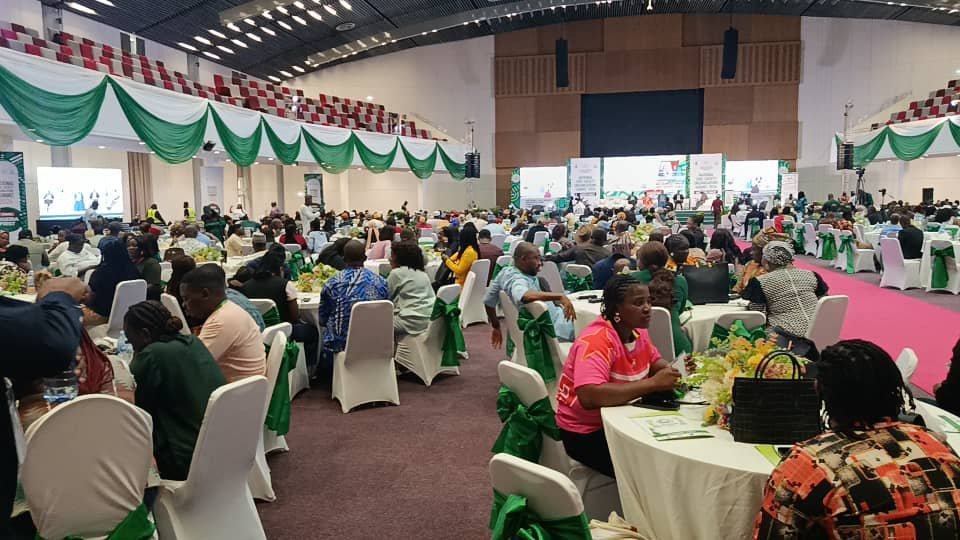
The summit, convened by the Civil Society Organization on Community Advancement and Humanitarian Empowerment Initiative(CSCHEI) under the leadership of Dr. Kunle Yusuff, had panel discussions with speakers lending their voices to the dangers of vote buying, tracking financial spending among the contestants, and allowing for separate voting days for specialised workers and other professionals to prevent disenfranchisement.
The panelists included Amb Charles Omini, Special Envoy, West Africa, International Human Rights Protection Service; Chief Oluwasegun Oyedijo, National Coordinator, Support for Civil Society Organisations; Amb Zainab Mohammed, Coordinator, Partnership For Rural Women Development; Danjuma Bello Sarki, Executive Director, Initiative For Promotion of Civic Obligations and Sustainable Peace, Bar. Crownwell Chibuzor, Executive Director, Youth Education on Human Rights and Civic Responsibilities, and Dr. Ezeadili Appolonia Obiageri, CEO, Africa for Millennium Change Initiative.
They took turns to argue that election financing must be tracked to discourage voter inducement and swaying the Outcomes of our electoral processes.
According to them, many candidates seeking votes in an election violate our electoral laws, especially on the issue of spending, because there has never been a strict regulatory framework on the threshold of spending.
Bar. Chibuzor spoke of the numbers not adding up in terms of actual participants in an election process, which eventually affects the Outcomes.
He blamed voter apathy, suggesting that INEC should up its game in terms of sensitisation of the electorate on the importance of engaging in polls.
Chibuzor also spoke on the need to copy the mail system of voting, such that core professional workers can be allowed to vote days before other citizens can do the same.
He said, “There should be lessons to strengthen credibility in terms of the number of citizens that participate in elections. Most times the number does not tally, so we can unbundle the mail system of elections to ensure that core professional workers can have separate days for voting so as not to be disenfranchised.
Another panelist, Dr. Appolonia, said women and physically challenged citizens play key roles in our electoral process; hence, they should be given preferences like queuing up separately during voting exercises.
According to her, a system where pregnant women or disabled persons queue up together might discourage them from participating in an election.
She argued that enlightenment for women in terms of our electoral laws is very low, despite their roles in the process.
Executive Director, Peering Advocacy and Advancement Centre in Africa (PAACA), Ezenwa Nwagwu, spoke on the
power of the BVAS, saying it is more important than the ATM cards people carry about.
Buttressing his views, he said the BVAS card has the power to decide the prices of fuel, the inflationary trend of a nation, and ultimately the level of development or retrogression of a nation, even though the ATM card can give citizens instant cash at the pressing of buttons.
He discouraged voter buying in its entirety, warning that even though the law is not explicit on sanctions for vote buying or inducement, somebody could be used as a scapegoat and would be in jail and become an ex-convict someday.
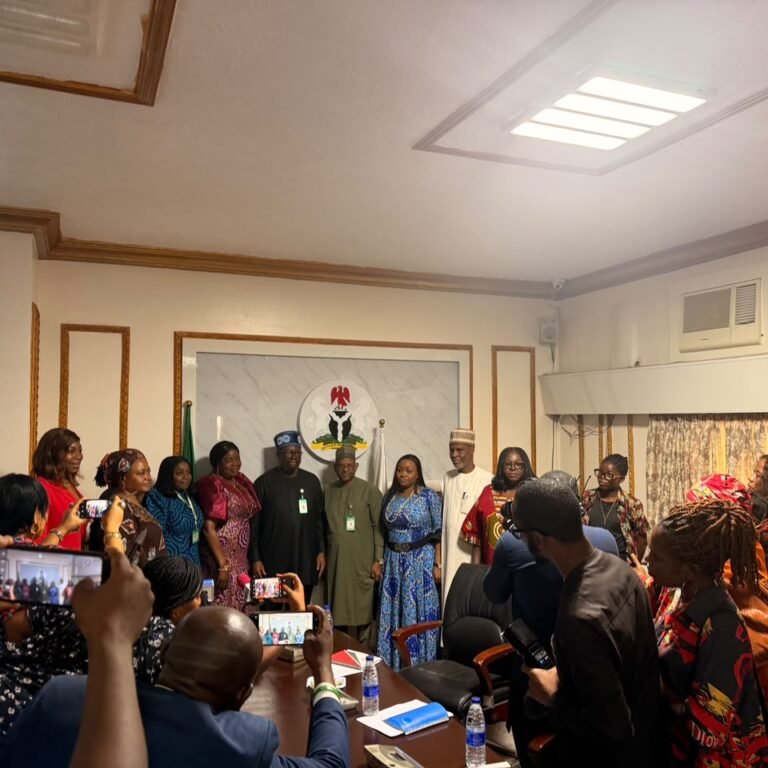
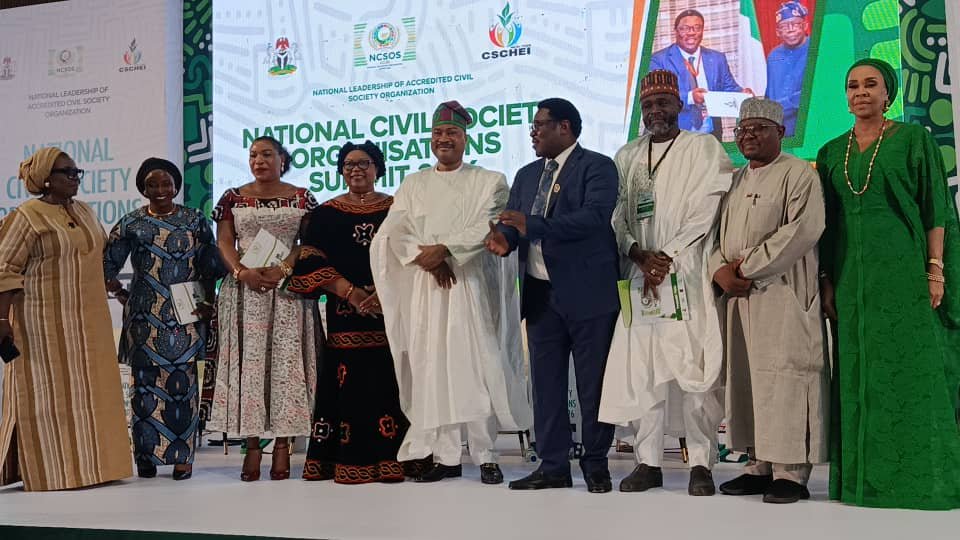
The special guest of honor, president Ahmed Tinubu, represented by the Secretary to the government of the Federation, (SGF), Sen. George Akume Said his administration will work with the civil society organizations to ensure a free and fair elections in 2027.
He directed the SGF to establish a quarterly policy dialogue forum between the Federal Government and civil society organisations (CSOs) to strengthen public accountability and ensure citizens’ concerns inform government policies.
The initiative according to him is one of four commitments mapped out to deepen collaboration between the government and civil society organisations, particularly in public finance transparency, budget monitoring, humanitarian interventions and national development.
Earlier in his welcome address, the Chief Convener and Director general of the National Civil Society Organizations, Dr. Kunle Yusuf, said the Civil Society Organizations are ready to work with relevant stakeholders, especially INEC to ensure a Free, fair and credible elections in 2027.
Similarly, participants reaffirmed their commitment to strengthening electoral integrity, deepening public confidence in democratic institutions and promoting meaningful youth participation in Nigeria’s electoral process.
They stressed that lessons from the Ekiti and Osun governorship elections should inform preparations for the 2027 general elections and ensure that electoral reforms are effectively translated into practice.