


By Gabriel Ameh
📍Lagos, Nigeria
The Corporate Accountability and Public Participation Africa (CAPPA) has reaffirmed its support for the National Agency for Food and Drug Administration and Control (NAFDAC) in its ongoing efforts to introduce regulations aimed at reducing sodium levels in pre-packaged foods.
CAPPA’s Executive Director, Akinbode Oluwafemi, gave the assurance during a stakeholders’ engagement on proposed sodium reduction policies held in Lagos on April 1, 2026. The meeting brought together key players in the health and food sectors and was convened by NAFDAC in collaboration with the Network for Health Equity and Development (NHED).
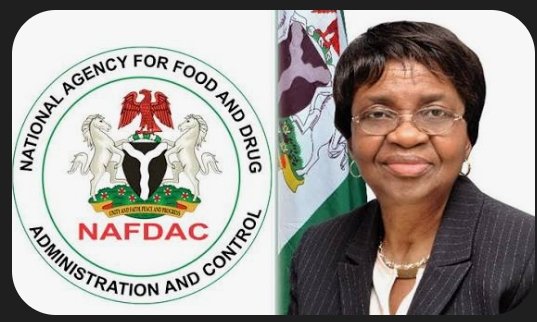
Oluwafemi commended NAFDAC’s Director-General, Prof. Mojisola Adeyeye, for her leadership and achievements, pledging CAPPA’s continued advocacy support in strengthening public health initiatives.
“We are delighted to be here today. I want to assure you of our commitment to advocacy that strengthens public health. We stand with NAFDAC and will continue to support decisions that protect the health of Nigerians,” he said.
In her remarks, Prof. Adeyeye noted that the engagement reflects a shared commitment among stakeholders to safeguard public health and improve Nigeria’s food regulatory system.
She warned that diet-related non-communicable diseases such as hypertension, cardiovascular diseases, and stroke are increasing both globally and in Nigeria, with excessive sodium intake identified as a major contributing factor.
Also speaking, NHED Technical Advisor, Dr. Jerome Mafeni, raised concerns over the growing prevalence of non-communicable diseases among younger Nigerians, describing it as a serious threat to the country’s future.
In 2025, the Federal Ministry of Health and Social Welfare launched the National Sodium Reduction Guideline, which sets mandatory sodium limits for processed and pre-packaged foods.
The policy aims to reduce average daily sodium intake to less than 2 grams per person equivalent to 5 grams of salt by 2030, while also targeting a 25 percent reduction in hypertension cases.
Global health partners, including the Global Health Advocacy Incubator (GHAI), the World Health Organization (WHO), and Resolve to Save Lives (RTSL), described the initiative as timely and critical.
They urged NAFDAC to sustain its efforts in protecting public health and commended the ministry’s leadership in driving the policy forward.