
By Gabriel Ameh
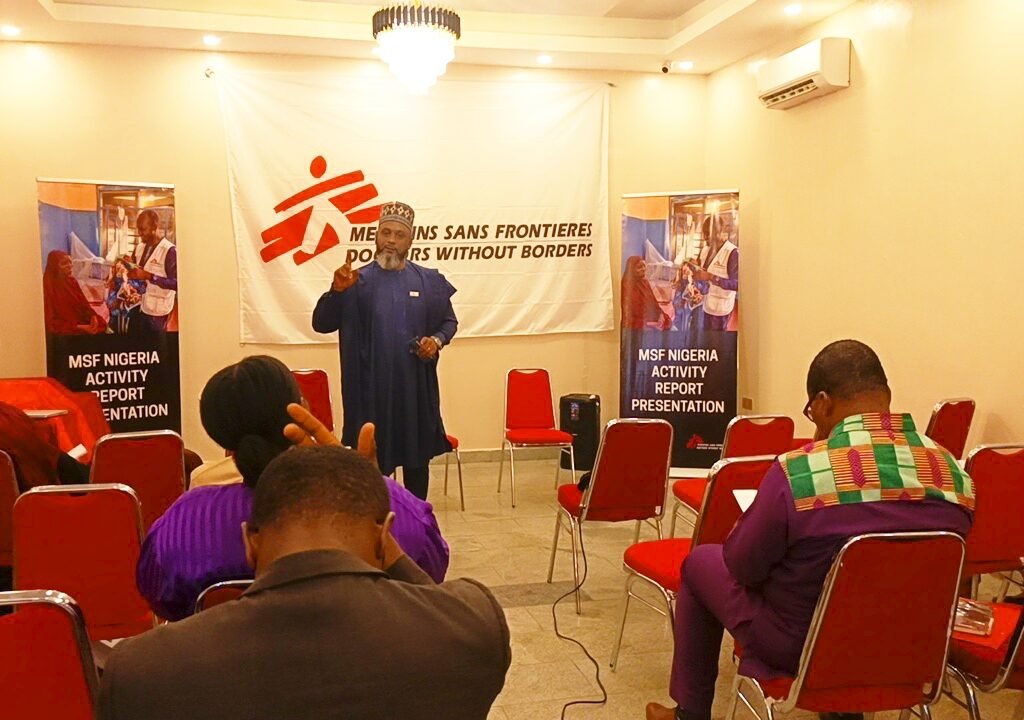
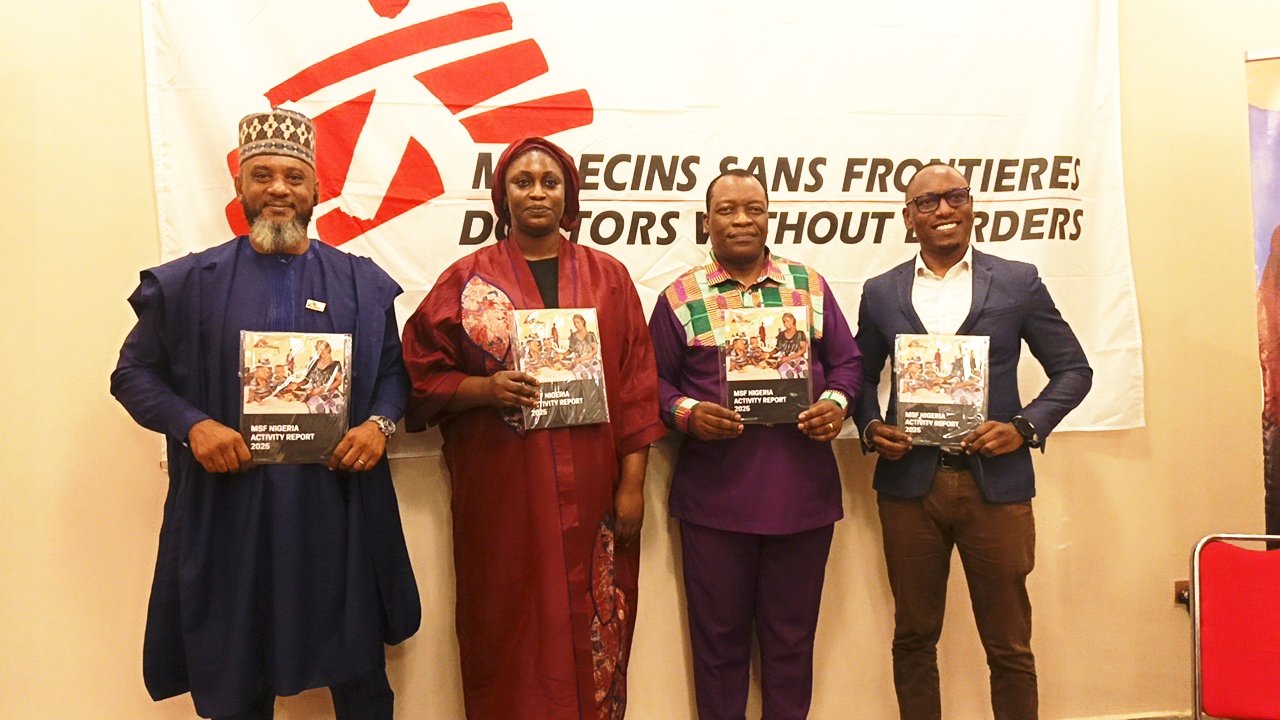
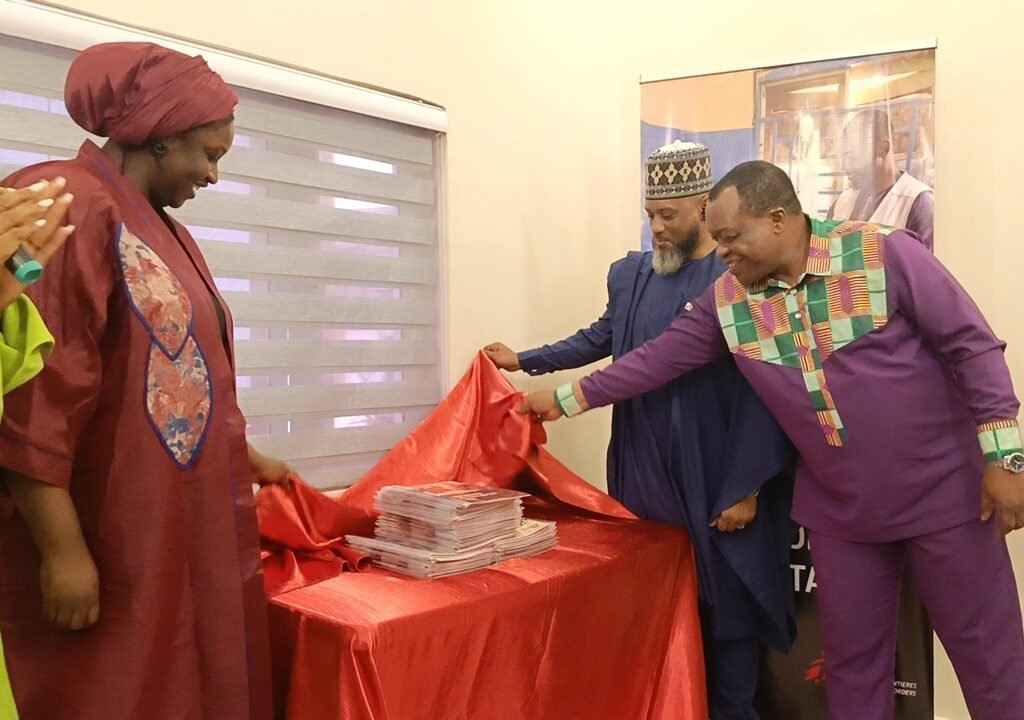
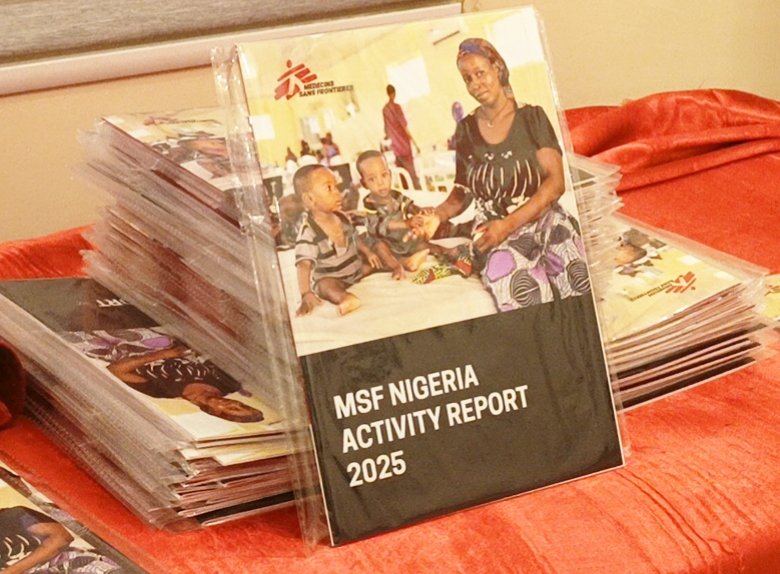
At the unveiling of its 2025 Annual Activity Report in Abuja, the international medical humanitarian organisation, Médecins Sans Frontières (MSF), disclosed how its teams battled multiple disease outbreaks, severe flooding and worsening humanitarian emergencies across several Nigerian states during the year.
The organisation said its emergency interventions spanned cholera outbreaks, meningitis outbreaks, flooding disasters, maternal health crises and acute malnutrition, with operations carried out in collaboration with state health authorities and local partners.
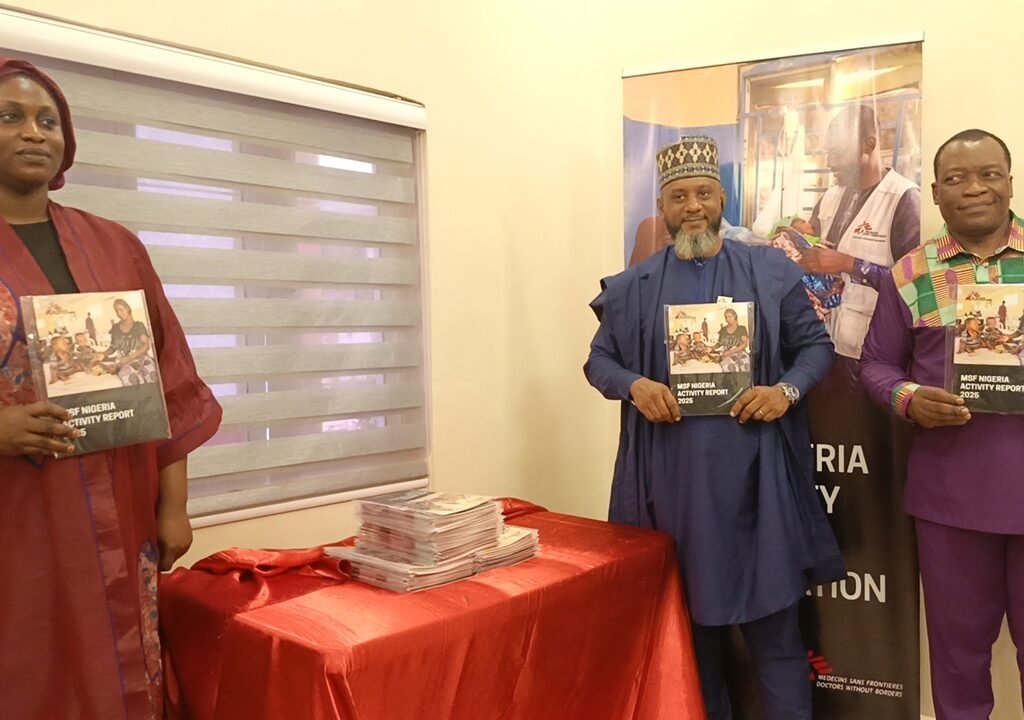
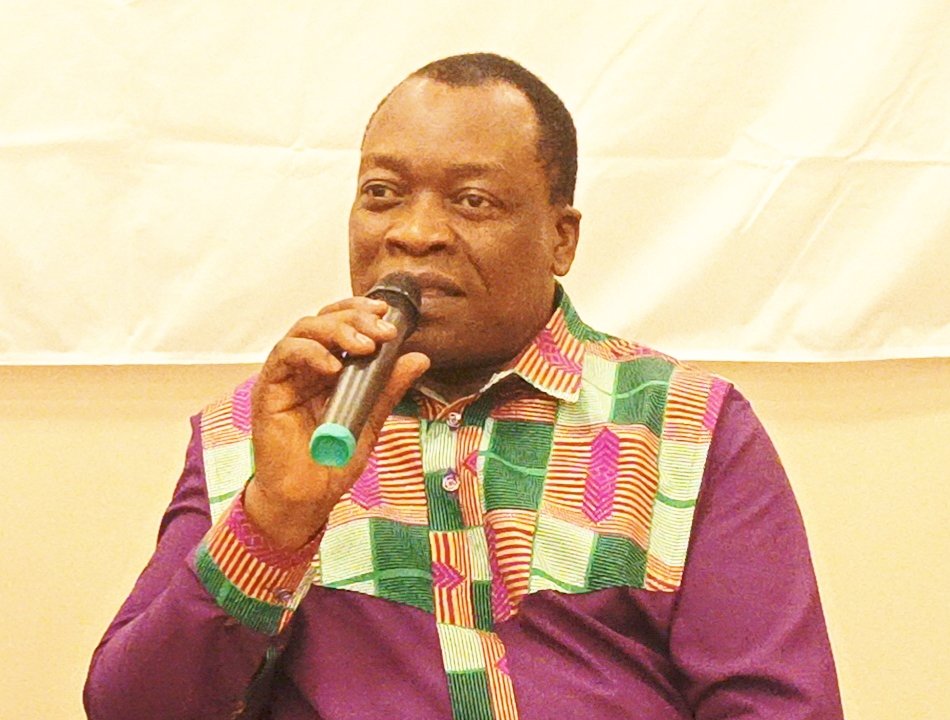
Speaking during the presentation, MSF Country Representative, Dr. Ahmed Aldikhari, outlined the scale of humanitarian needs in Nigeria and the organisation’s expanding operational response amid insecurity, poor healthcare access and recurring disease outbreaks.
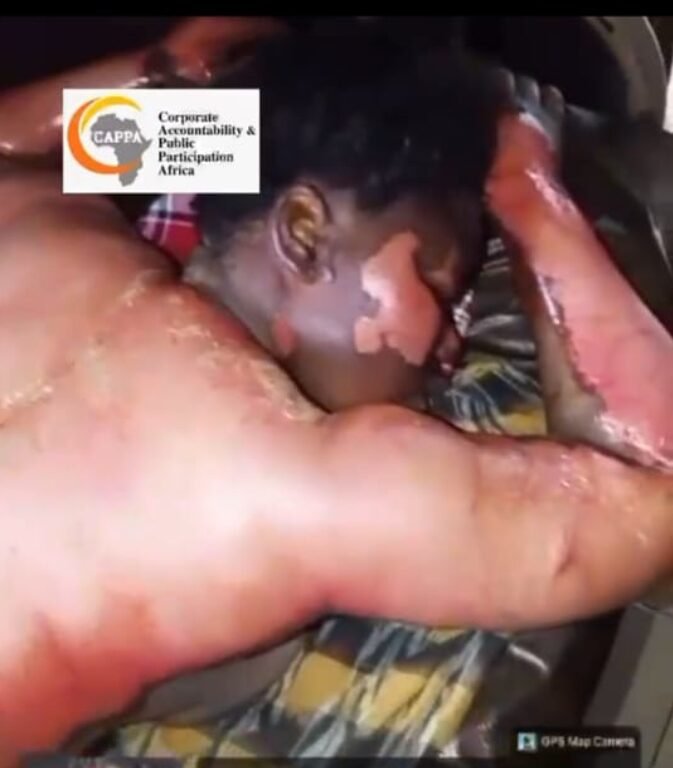
One of the major emergency responses highlighted in the report was the devastating flooding in Mokwa, Niger State, where MSF conducted rapid on-the-ground assessments and distributed critical relief materials to displaced residents.
The items donated included mosquito nets, paediatric medicines, detergents, handwashing stations and hygiene supplies aimed at preventing waterborne diseases and reducing health risks in overcrowded communities affected by the floods.
In Adamawa State, MSF responded to two separate cholera outbreaks in Jada and Mubi. In Jada, the organisation donated essential medical supplies to support local health authorities, while in Mubi, MSF teams directly managed patients at the Cholera Treatment Centre located at the Federal Medical Centre, Mubi North.
The organisation also established oral rehydration points for patients with mild symptoms to reduce fatalities and contain the spread of the disease.
MSF further revealed that northwest Nigeria experienced a major meningitis outbreak early in the year, with the Nigerian Centre for Disease Control recording more than 4,000 cases nationwide between February and May 2025.
According to the report, about 70 per cent of those cases were treated in MSF-supported facilities in Kebbi and Sokoto states.
In Kebbi State, MSF expanded hospital bed capacity, provided medical supplies, trained healthcare workers and supported direct case management for infected patients.
In Sokoto State, the organisation supported five primary healthcare centres and two general hospitals in Tambuwal Local Government Area through medical supplies, training and remote technical assistance.
MSF stated that the interventions, combined with community awareness campaigns, helped bring the meningitis outbreak under control by mid-year.
The report also identified Zamfara State as one of the worst-hit areas during Nigeria’s cholera outbreak, accounting for 32 per cent of all cholera cases reported across the country’s 34 reporting states.
In Shinkafi Local Government Area alone, MSF said 3,754 suspected cholera cases were recorded during the outbreak.
The organisation supported the Ministry of Health-led intervention through surveillance, case management, vaccination campaigns, water and sanitation services, public awareness and emergency coordination.
At the Shinkafi Cholera Treatment Centre and eight Oral Rehydration Points, MSF treated 2,664 patients at the treatment centre and another 1,090 patients through the oral rehydration facilities.
Despite the scale of the outbreak, only 18 deaths were recorded, representing a case fatality rate of 0.67 per cent, significantly below the World Health Organisation emergency threshold.
In neighbouring Zurmi Local Government Area, which accounted for 39 per cent of Zamfara’s cholera cases, MSF treated 3,542 suspected cholera patients while recording 10 deaths.
The organisation also carried out extensive water, sanitation and hygiene interventions, including the donation of discharge kits to affected families and communities.
Additional cholera response support was equally provided in Talata Mafara as part of broader efforts to curb transmission in the state.
MSF said its interventions across Niger, Adamawa, Sokoto, Kebbi and Zamfara states were complemented by vaccination campaigns against measles and cholera, alongside integrated water, sanitation and hygiene services aimed at reducing disease transmission risks.
Also speaking at the event, Dr. Bukola Oluyide highlighted the growing burden of acute malnutrition in Nigeria, describing supply constraints, insecurity, access limitations and seasonal spikes as major operational challenges confronting humanitarian workers.
On disease outbreaks, Dr. Shafa’atu Yusuf Abdulkadir provided an overview of ongoing responses to diphtheria, Lassa fever, measles and other infectious diseases currently affecting parts of the country.
Meanwhile, Dr. Louis Vala stressed the urgent need to improve maternal healthcare access, especially emergency obstetric services and safe delivery systems in underserved communities.
He also drew attention to the strong link between maternal health, malnutrition and increased disease vulnerability among women and children.
MSF noted that the overlapping challenges of insecurity, flooding, displacement and weak healthcare infrastructure continue to worsen humanitarian conditions across Nigeria, requiring sustained emergency support and stronger investment in public healthcare systems.