
0-0x0-0-0-{}-0-0#
By Gabriel Ameh
📍Abuja | Media360Impact Report
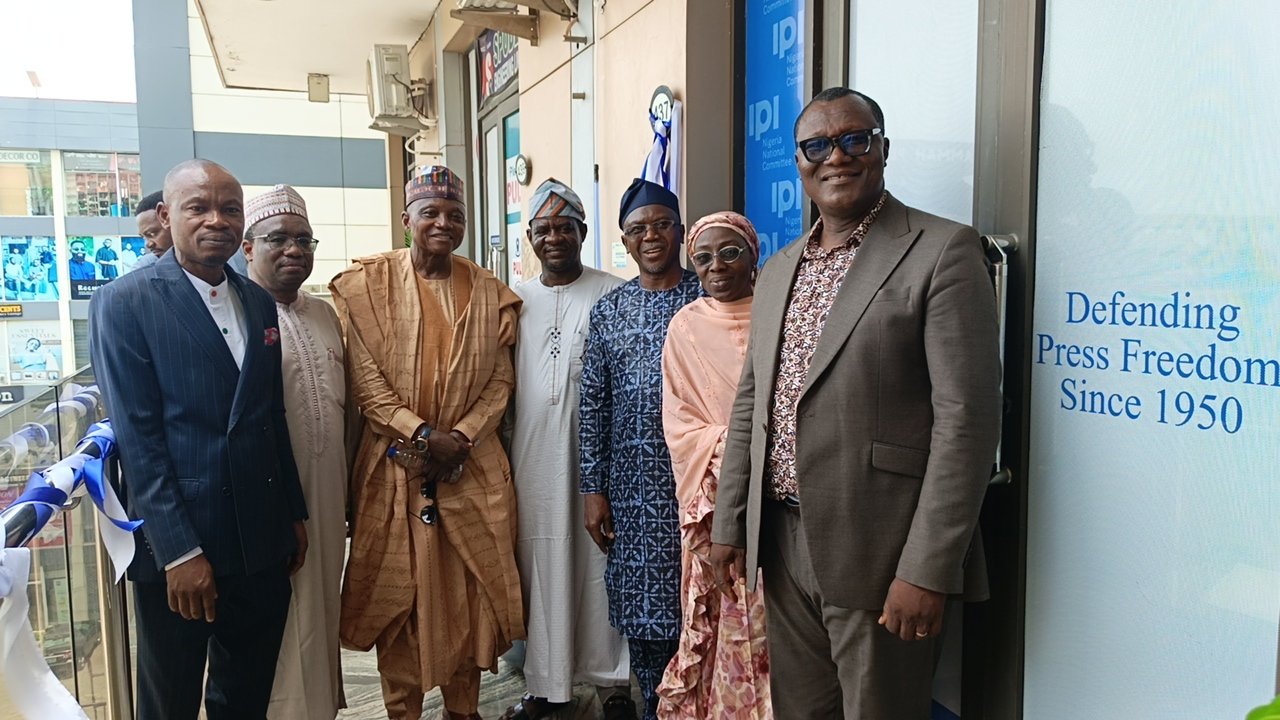
The President of International Press Institute Nigeria, Musikilu Mojeed, has described the unveiling of the organisation’s first permanent headquarters in Nigeria as a historic milestone in the defence of press freedom and independent journalism.
Speaking during the official opening ceremony held in Abuja as part of activities marking World Press Freedom Day, Mojeed said the new Press Freedom Hub would strengthen advocacy efforts, promote policy engagement, and provide a secure institutional base for the organisation after decades of operating without a permanent office.
According to him, since the 1970s, IPI Nigeria had largely depended on the offices of its sitting presidents for operations, making the establishment of a dedicated headquarters a major turning point for the organisation.
“This Press Freedom Hub represents a renewed commitment to defending press freedom, advancing independent journalism, and ensuring the safety of journalists across Nigeria and beyond,” he said.
Mojeed noted that the facility would serve as a centre for dialogue, advocacy, and continuous monitoring of the state of media freedom in the country.
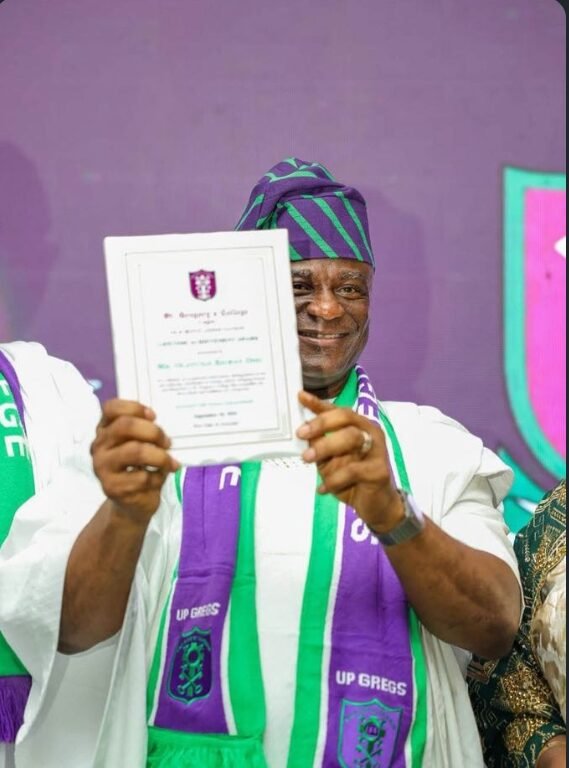
The IPI Nigeria president also revisited the organisation’s controversial “Book of Infamy,” first announced in December 2025, which named Mohammed Umaru Bago, Umo Bassey Eno, and former Inspector-General of Police Kayode Egbetokun over alleged actions considered detrimental to press freedom.
He explained that IPI Nigeria had initially suspended further action following an appeal by Vice President Kashim Shettima during the organisation’s last annual conference to allow room for dialogue and intervention.
However, Mojeed said no meaningful corrective steps had been taken, prompting the organisation to relaunch and intensify its advocacy efforts.
“IPI Nigeria will initiate a global campaign to hold these individuals accountable until meaningful corrective actions are taken,” he declared.
He added that the new headquarters symbolises a stronger, more visible, and more determined phase in the struggle for press freedom in Nigeria, while calling on government institutions, civil society organisations, media professionals, and the international community to support the mission of safeguarding independent journalism.