
By Gabriel Ameh
The Independent National Electoral Commission (INEC) is intensifying preparations for the 2027 general elections, with plans to test its voter accreditation and electronic result transmission systems across the country to prevent a repeat of the technical problems experienced in 2023.
INEC Chairman, Prof. Joash Amupitan, said the commission was determined to strengthen the credibility of the electoral process by addressing weaknesses that affected public confidence in the last presidential election.
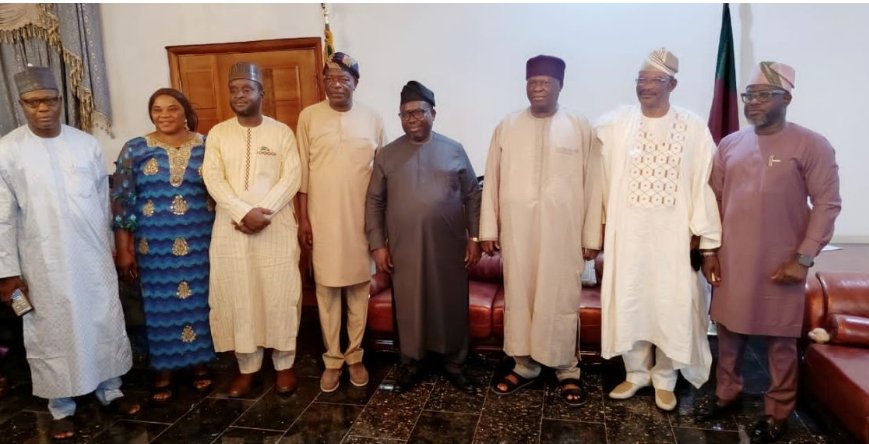
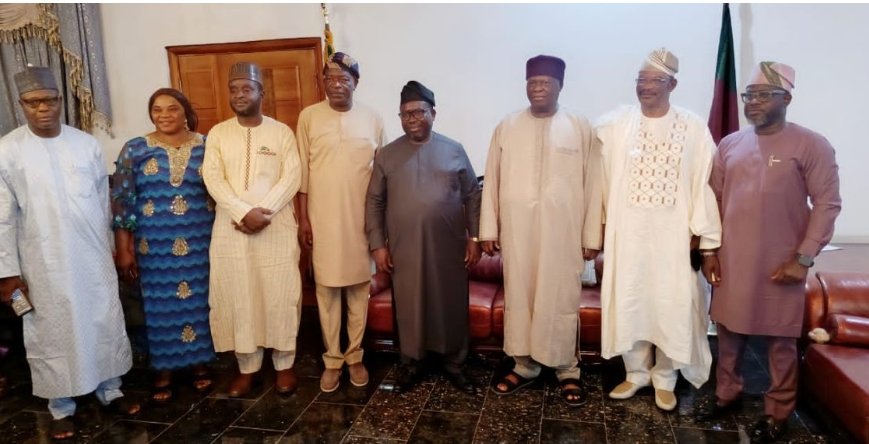
He spoke in Jos, Plateau State, during a visit to the Gbong Gwom Jos, Da Jacob Buba, where he sought the support of traditional rulers for the 2027 elections and urged them to mobilise residents for the commission’s nationwide mock accreditation exercise.
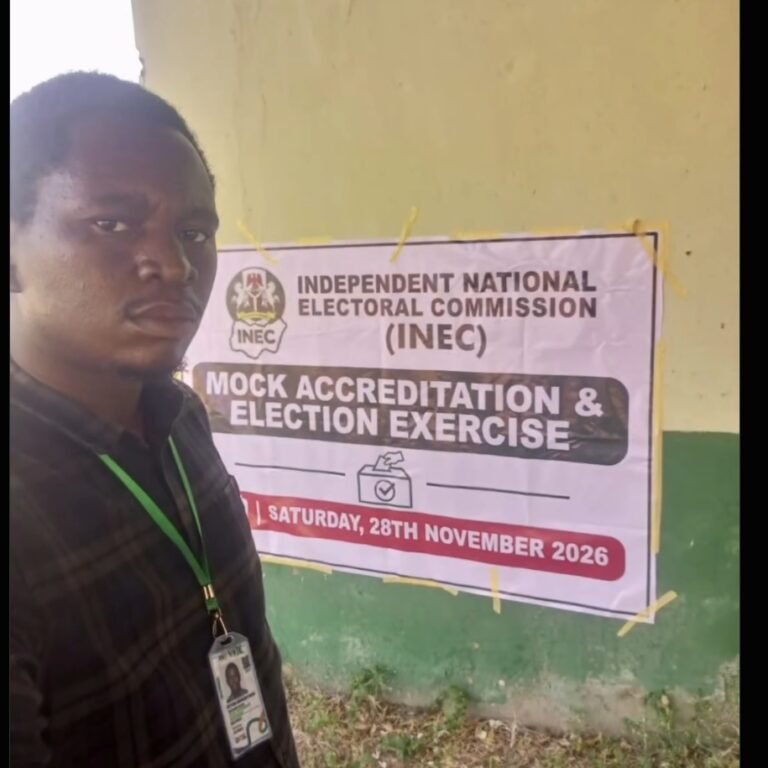
The exercise, scheduled for Saturday, November 28, will test the Bimodal Voter Accreditation System (BVAS) and the electronic transmission of results to the INEC Result Viewing Portal (IReV).
It will cover 17,656 polling units, with two polling units selected from every ward across the country.
According to Amupitan, the exercise is designed to identify and address technical challenges before election day, rather than allowing system failures to disrupt voting and result transmission during the actual polls.
He said INEC was determined to eliminate the technological problems experienced during the 2023 presidential election, which generated widespread concerns over transparency and credibility.
The chairman also expressed optimism that the commission would build on improvements recorded during recent off-cycle elections, particularly the Osun governorship election, which he described as having recorded the highest voter turnout in the country.
Reflecting on elections conducted since he assumed office in October 2025, Amupitan said the Anambra, FCT Area Council, Ekiti and Osun elections had helped the commission improve its processes and operational capacity.
He said the elections were successfully concluded without post-election violence, adding that INEC was working to make the 2027 general elections even more successful.
Amupitan said the commission’s goal was to conduct elections capable of strengthening national unity and encouraging greater participation by Nigerians.
He, however, warned that misinformation and disinformation could threaten the electoral process, particularly with the growing use of artificial intelligence to create fake videos and misleading content.
The INEC chairman urged traditional rulers to use their influence within communities to discourage the spread of false information, encourage fact-checking and mobilise eligible voters to participate in the elections.
He said citizens must be encouraged to verify political claims before sharing them on social media, especially as campaigns and political activities intensify ahead of 2027.
Amupitan described his visit to Jos as an opportunity to formally engage traditional institutions on the forthcoming elections and seek their support in promoting peaceful participation and credible polls.
Responding, the Gbong Gwom Jos, Da Jacob Buba, expressed confidence in the INEC chairman’s ability to lead the commission, citing his legal background and experience.
Buba acknowledged the pressure associated with managing Nigeria’s electoral system but urged Amupitan not to be distracted by criticism from politicians and political parties.
He advised the chairman to remain focused, rely on his team and continue to uphold what is right, regardless of political interests.
The traditional ruler also pledged the support of the Plateau State Traditional Council of Chiefs in mobilising citizens to register and participate in the elections.
As INEC prepares for the 2027 polls, the nationwide mock accreditation exercise is expected to provide an important test of its technology and readiness.
The success of the exercise will be crucial in reassuring Nigerians that voter accreditation and electronic result transmission can work effectively, transparently and reliably when the country goes to the polls.