

By Gabriel Ameh
ABUJA — India has highlighted significant improvements in maternal and child healthcare, nutrition, financial protection and women’s empowerment, saying the gains recorded under its latest National Family Health Survey (NFHS-6) offer lessons that could deepen health cooperation between India and Nigeria.
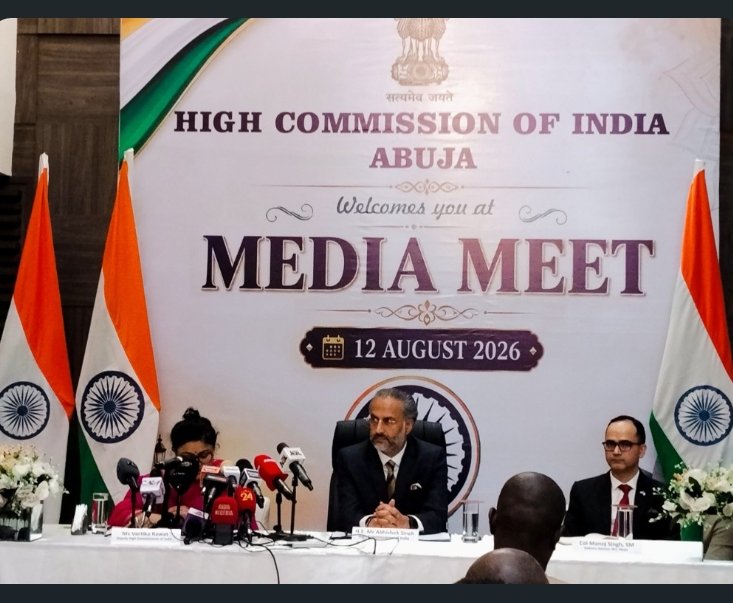
Speaking at an event in Abuja, Ms. Vartika Rawat, Deputy High Commission of India, drew attention to the findings of the NFHS-6, released by India’s Ministry of Health and Family Welfare on May 29, 2026.
Conducted during 2023–24 by the International Institute for Population Sciences (IIPS), Mumbai, the survey covered nearly 679,000 households across 715 districts, providing data on population, health, nutrition and family welfare indicators.
Rawat said the scale of the survey demonstrates the growing capacity of India’s public health and statistical institutions, while its findings point to substantial improvements in access to essential healthcare services.
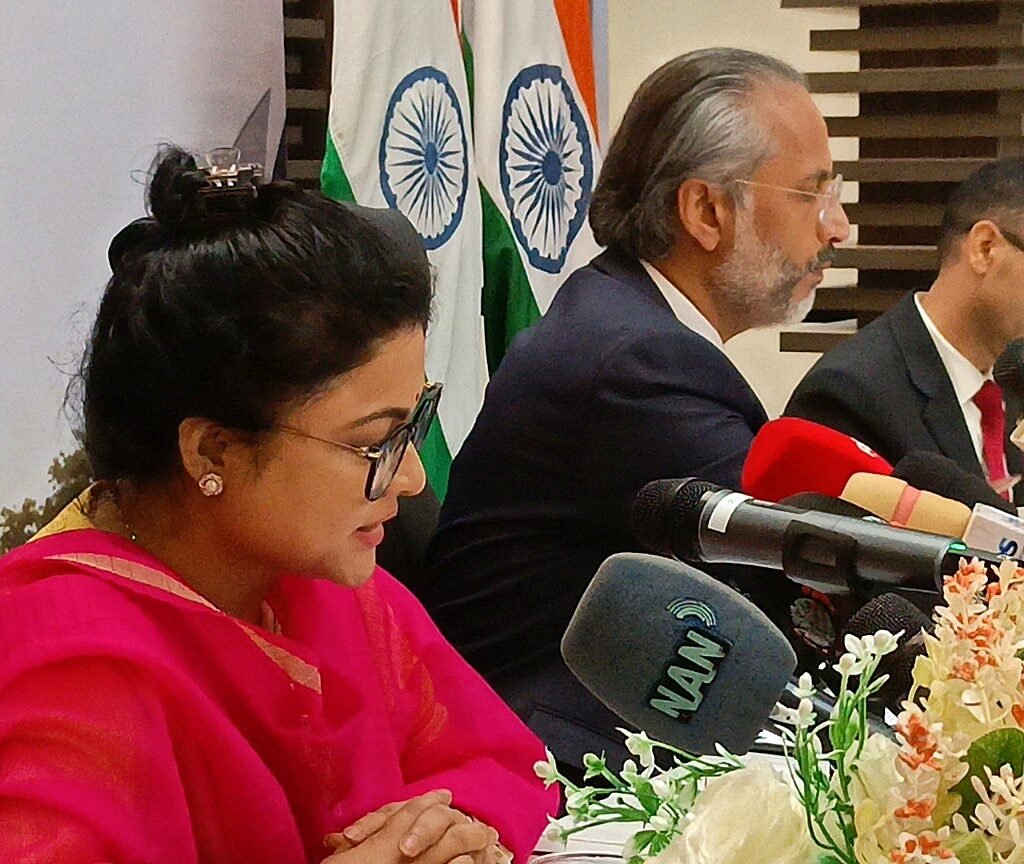
According to the NFHS-6 findings, antenatal care coverage increased from 92.6 percent to 95.9 percent, while institutional deliveries rose from 88.6 percent to 90.6 percent between NFHS-5 and NFHS-6. The proportion of mothers receiving at least four antenatal care visits also increased from 58.5 percent to 65.2 percent.
On childhood immunisation, full immunisation among children aged 12–23 months increased from 83.8 percent to 87.1 percent. The survey also found that more than 96 percent of children received at least one vaccine, while 95.6 percent received most of their vaccinations through public health facilities.
Child nutrition also recorded progress. Stunting among children under five declined from 35.5 percent to 29.3 percent, while severe wasting fell by 32 percent, according to the Indian government’s assessment of the survey.
Rawat attributed these improvements to the combined impact of government programmes focused on nutrition, maternal and child health and last-mile service delivery, including POSHAN Abhiyaan, Saksham Anganwadi and POSHAN 2.0, alongside services delivered through the Integrated Child Development Services and National Health Mission.
She also highlighted the expansion of financial protection in healthcare. Household coverage under a health insurance or financing scheme increased from 41 percent to 60.2 percent, which the Indian government linked to expanded health protection initiatives, including Ayushman Bharat-Pradhan Mantri Jan Arogya Yojana (PM-JAY).
The Deputy High Commission official further pointed to gains in women’s digital and financial inclusion. The proportion of women who had ever used the internet rose from 33.3 percent to 64.3 percent, while the share of women with a bank or savings account that they personally use increased from 78.6 percent to 89 percent.
Rawat said these developments were relevant to Nigeria because India’s experience in expanding affordable healthcare, financial protection and pharmaceutical access could provide areas for greater bilateral cooperation.
She noted that India and Nigeria already have significant links in the pharmaceutical sector, with Indian companies participating in local pharmaceutical manufacturing and Indian medicines playing an important role in Nigeria’s healthcare supply chain.
According to Rawat, the objective should go beyond exporting medicines to Nigeria to supporting the production of affordable medicines within Nigeria for Nigerians.
She also pointed to India’s Ayushman Bharat experience as a policy model that could be explored as Nigeria continues efforts towards universal health coverage.
“India believes the Ayushman Bharat model and other Indian policy models offer a template well worth exploring together,” she said, while also highlighting continued training opportunities for Nigerian health professionals through India’s ITEC programme.
Rawat said stronger health cooperation could therefore combine policy exchange, healthcare workforce development, pharmaceutical manufacturing and access to affordable medicines.
She described the health relationship as part of a broader India-Nigeria partnership rooted in shared historical ties and a common interest in improving the welfare of citizens.
“These are not two separate stories,” she said. “They are one and the same story of two nations once united in the struggle against colonialism and now united in the pursuit of health, dignity and shared prosperity of our people.”
India’s latest health data nevertheless shows that progress is accompanied by continuing challenges, including rising non-communicable diseases, lifestyle-related risks and the coexistence of undernutrition with increasing overweight and obesity among adults.
For Nigeria, the experience reinforces the importance of combining healthcare access with financial protection, preventive healthcare, local pharmaceutical production and investment in human resources as the country pursues universal health coverage.