
0-0x0-0-0-{}-0-0#
By Gabriel Ameh
The National Human Rights Commission (NHRC) has called on governments at all levels to prioritize investments in water, sanitation and hygiene (WASH) facilities, warning that millions of Nigerian children still lack access to safe drinking water and basic sanitation.
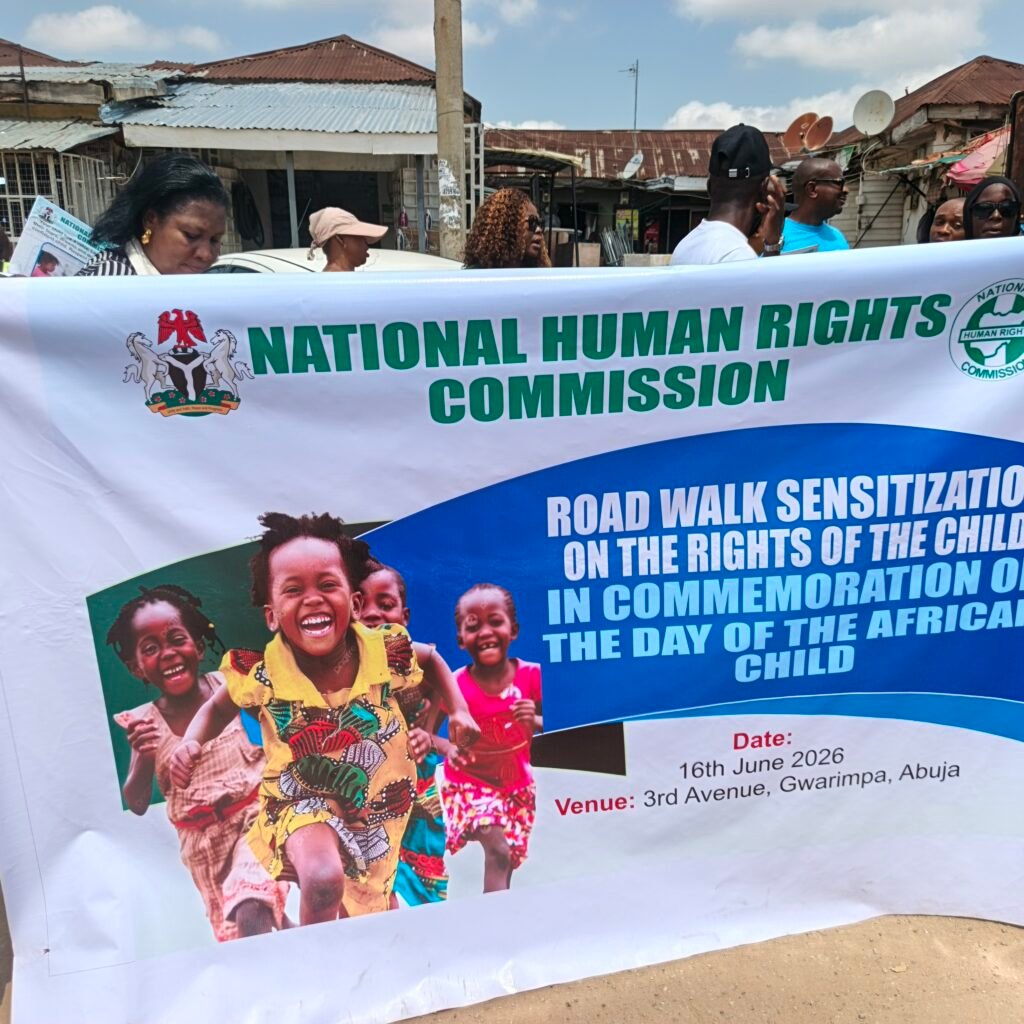
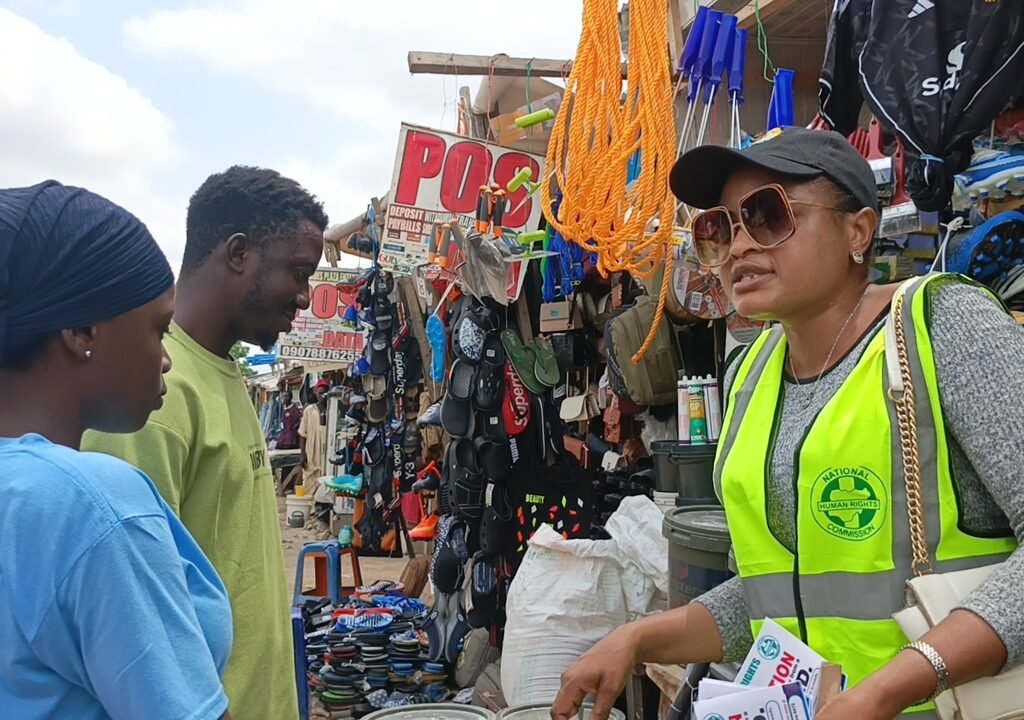
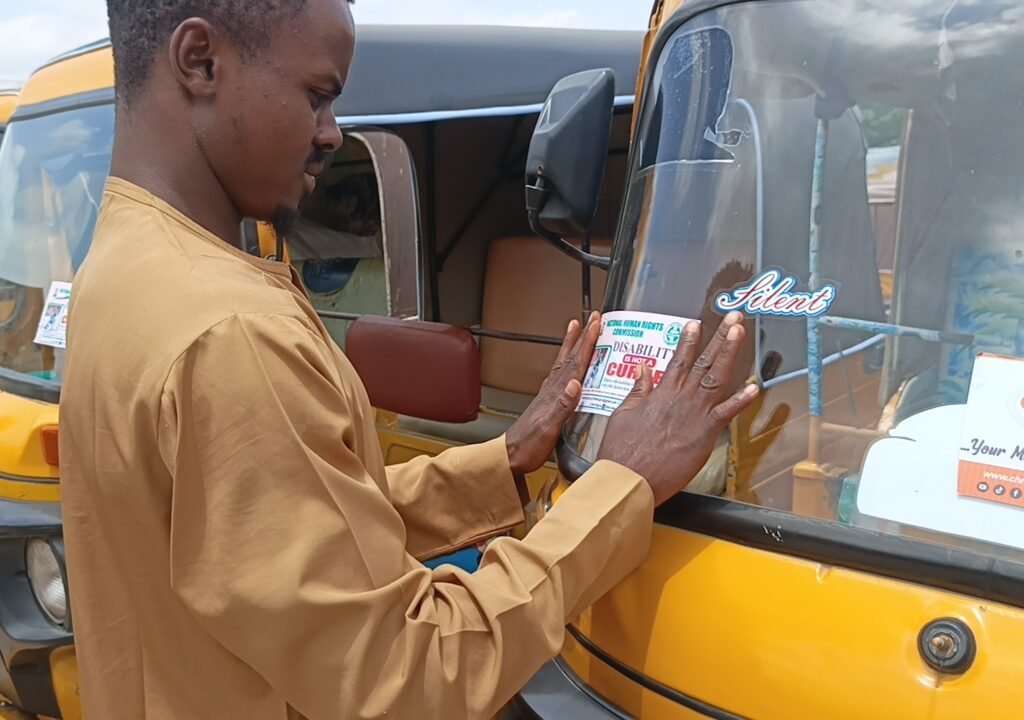
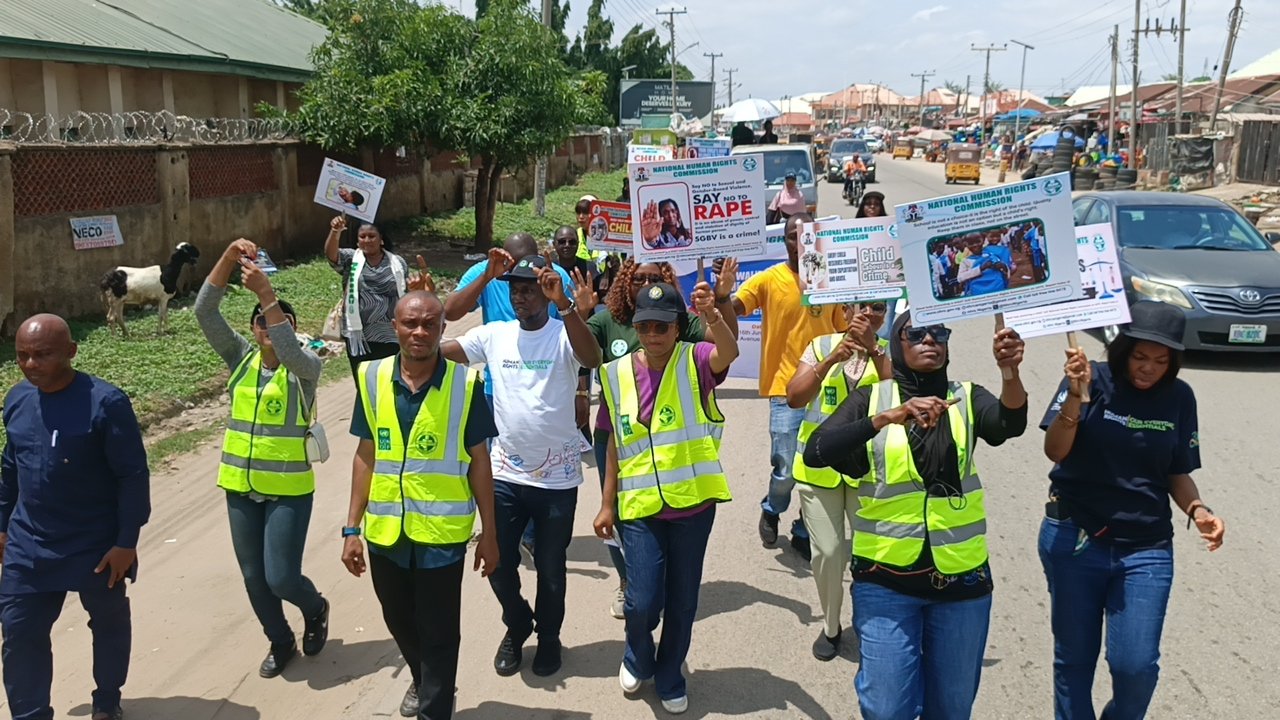
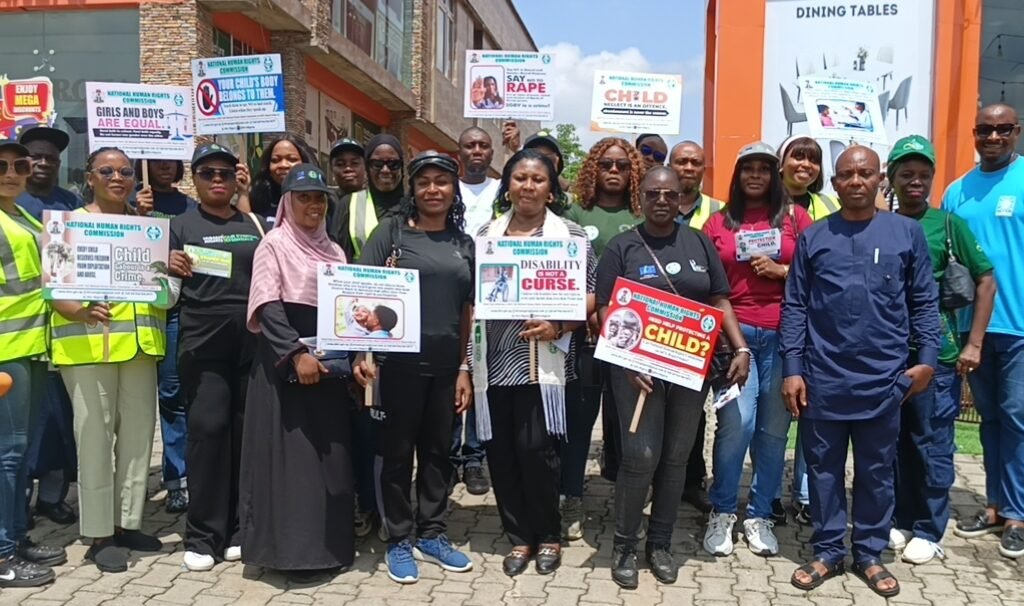
The Executive Secretary of the NHRC, Dr. Tony Ojukwu, made the call during the 2026 commemoration of the Day of the African Child, themed: “Ensuring Universal Access to Water and Hygiene for Every Child in Africa.”
Represented by the Director of Women and Children at the Commission, Mrs. Ngozi Okorie, Ojukwu said the annual observance serves as a reminder of the sacrifices made by children during the 1976 Soweto uprising in South Africa, where young people demanded quality education and dignity.
According to him, the theme highlights a fundamental human right that remains inaccessible to millions of children across Africa.
He stressed that water, sanitation and hygiene are not only health concerns but also issues of dignity, education and child protection.
“When schools lack clean water and toilets, children are forced to learn in unsafe conditions, while girls are particularly vulnerable to dropping out due to inadequate menstrual hygiene facilities,” he said.
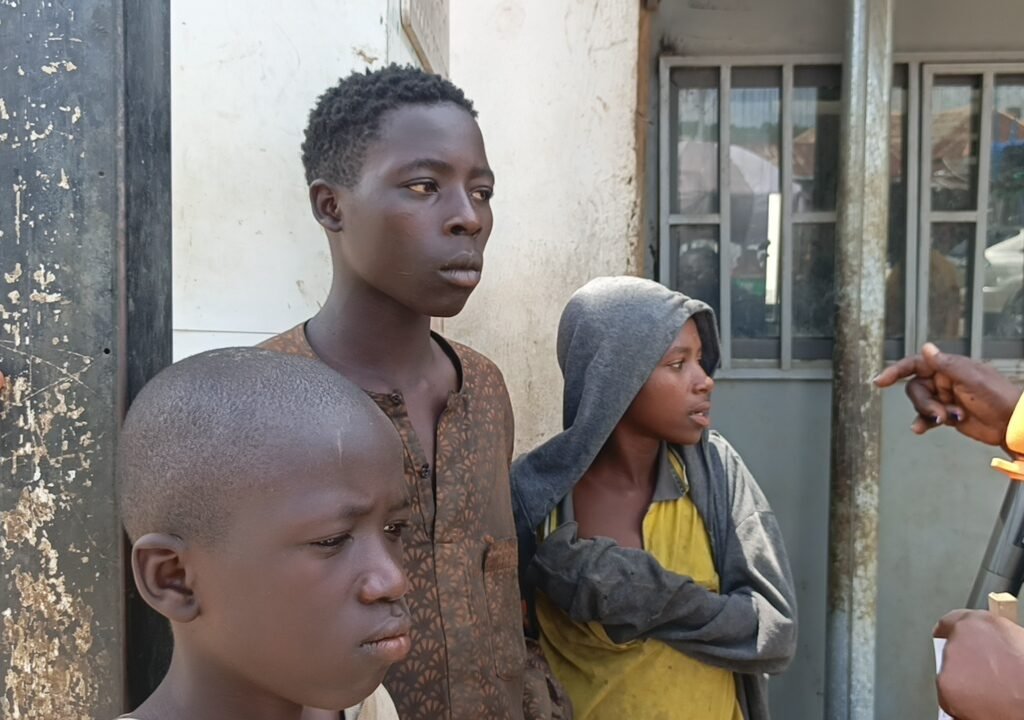
The NHRC expressed concern that millions of Nigerian children, especially those in rural and underserved communities, still do not have access to safe drinking water and sanitation services.
The Commission also noted that inadequate WASH facilities in schools contribute to higher dropout rates and expose children, particularly girls, to health challenges and gender-based violence.
It further observed that budgetary allocations for water, sanitation and hygiene programmes remain insufficient and are often poorly monitored in terms of their impact on children.
To address the situation, the NHRC urged federal, state and local governments to increase funding for child-friendly WASH facilities in schools, health centres, Sexual Assault Referral Centres (SARCs) and communities.
The Commission also called on Ministries, Departments and Agencies (MDAs), development partners and civil society organisations to strengthen coordination and improve data collection to identify children who still lack access to essential WASH services.
Parents and community leaders were equally encouraged to promote good hygiene practices and hold duty bearers accountable for ensuring children’s rights are protected.
Ojukwu emphasized that every child has a right to water and hygiene under the United Nations Convention on the Rights of the Child (CRC) and the African Charter on the Rights and Welfare of the Child (ACRWC), both of which Nigeria has ratified.
He urged stakeholders to move beyond promises and ensure practical interventions that deliver clean water, functional toilets and safe hygiene facilities for every child.
“Let this commemoration move us from speeches to boreholes, from plans to functional toilets, and from neglect to action,” he stated.