By Gabriel Ameh
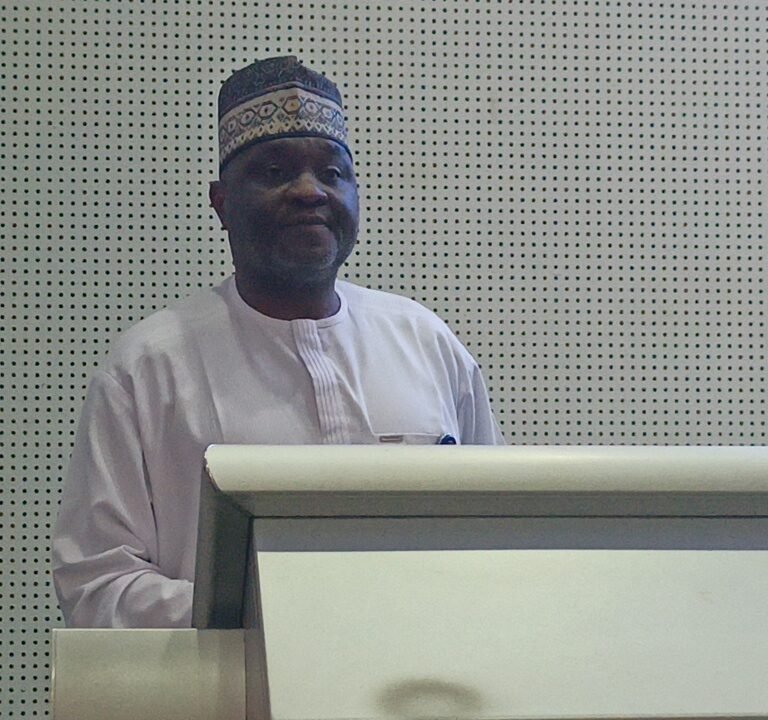
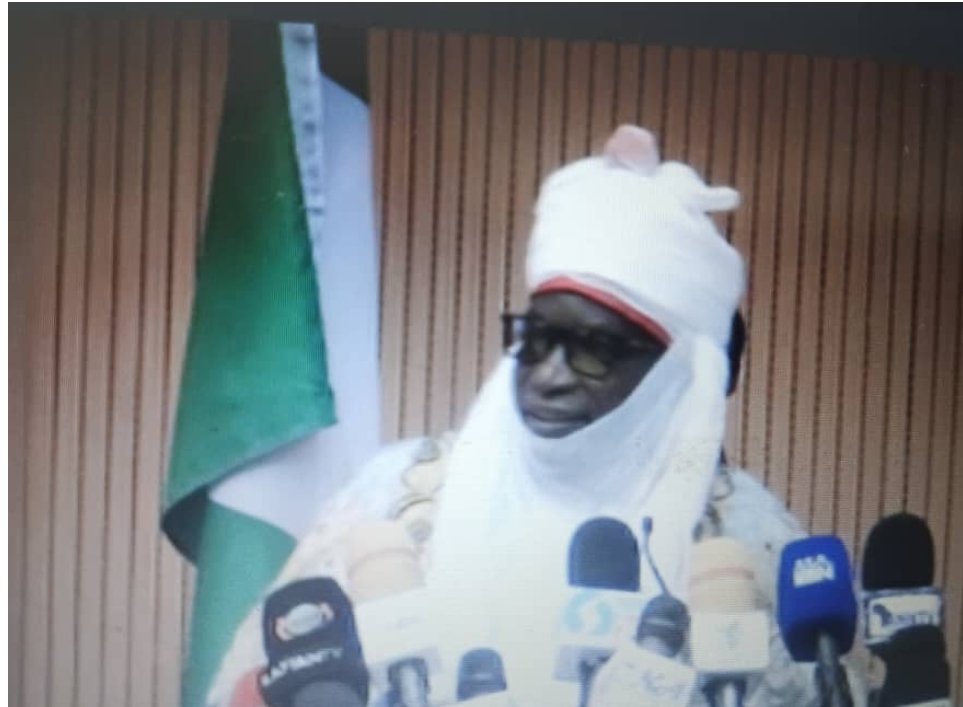
The Emir of Pai in Kwali Area Council of the Federal Capital Territory (FCT), Alhaji Abubakar Sani Pai III, has called for data-driven and community-focused interventions to tackle poverty and improve livelihoods across Nigeria.
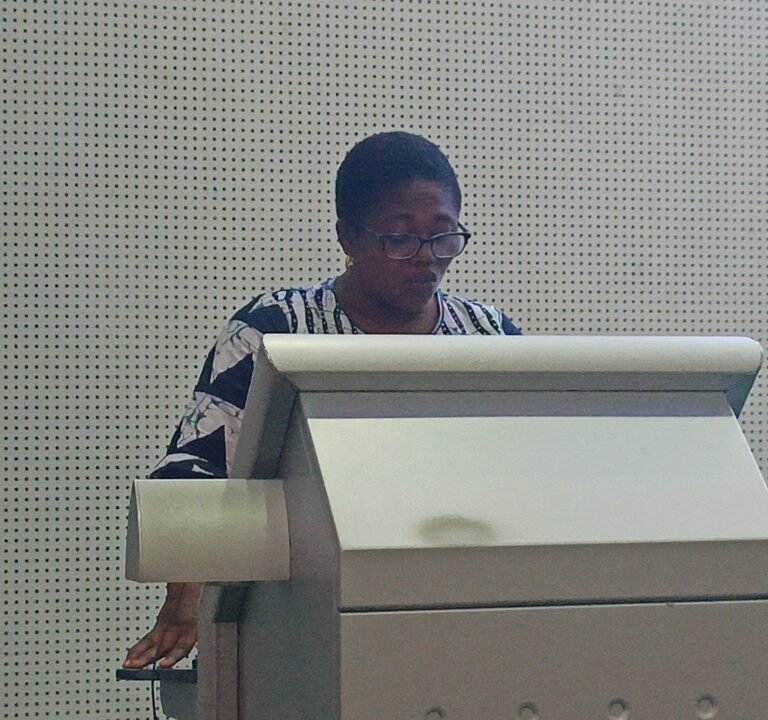
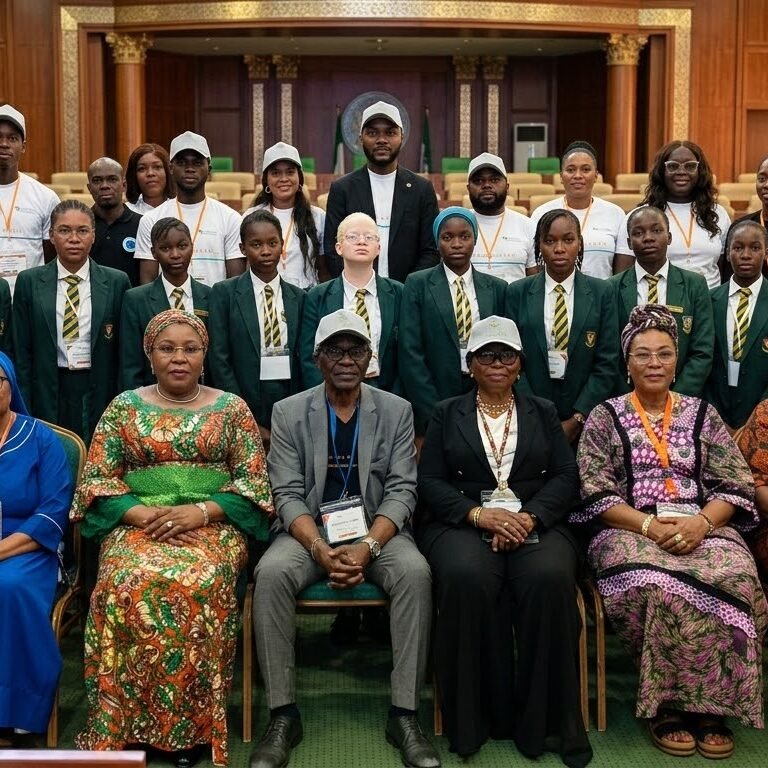
The traditional ruler made the call at a one-day poverty alleviation workshop organised by the Diplomatic Correspondents Association of Nigeria (DICAN) in Abuja.
Speaking on practical strategies for poverty reduction, the Emir stressed that reliable and accurate data should form the foundation of government and development programmes.
He said access to credible information about communities, their populations and specific needs would enable policymakers and development partners to design interventions that are better targeted and more effective.
According to him, the absence of reliable data remains one of the factors limiting the impact of some poverty alleviation programmes.
The Emir identified community-based agriculture, youth empowerment, skills acquisition and improved access to markets as key areas that could create sustainable economic opportunities, particularly for rural communities.
He cited a community farming model in which residents cultivate between five and 10 hectares of farmland with support such as tractors and other agricultural equipment. He said proceeds from such initiatives could be retained within communities to support development and improve household incomes.
The monarch also stressed the need to strengthen market linkages for farmers, noting that poor access to markets contributes to post-harvest losses and reduces the income producers earn from their efforts.
He observed that farmers often struggle to sell their produce at profitable prices, while middlemen can take a significant portion of the value generated along the supply chain.
Beyond agriculture, the Emir called for greater investment in skills acquisition, vocational training and apprenticeship programmes tailored to the interests and abilities of young people.
He also urged stakeholders to support youths pursuing careers in sports and other emerging areas where they can develop sustainable livelihoods.
The traditional ruler encouraged journalists and development correspondents to examine poverty reduction initiatives that have worked in other countries and assess how such models could be adapted to Nigeria’s local realities.
“We do not necessarily have to copy everything from elsewhere. We should identify what works, adapt it to our environment and use it to improve the living conditions of our people,” he said.
He further identified rural infrastructure, particularly roads, as an important driver of local economic development.
According to him, improved rural roads can connect previously isolated communities to markets, facilitate the movement of farm produce and goods, and create opportunities for increased trade and economic activity.
The Emir therefore called for stronger collaboration among government, development partners, traditional institutions, the media and local communities to develop sustainable solutions to poverty.
He urged stakeholders to focus on interventions that empower communities to become economically productive rather than relying solely on short-term assistance.
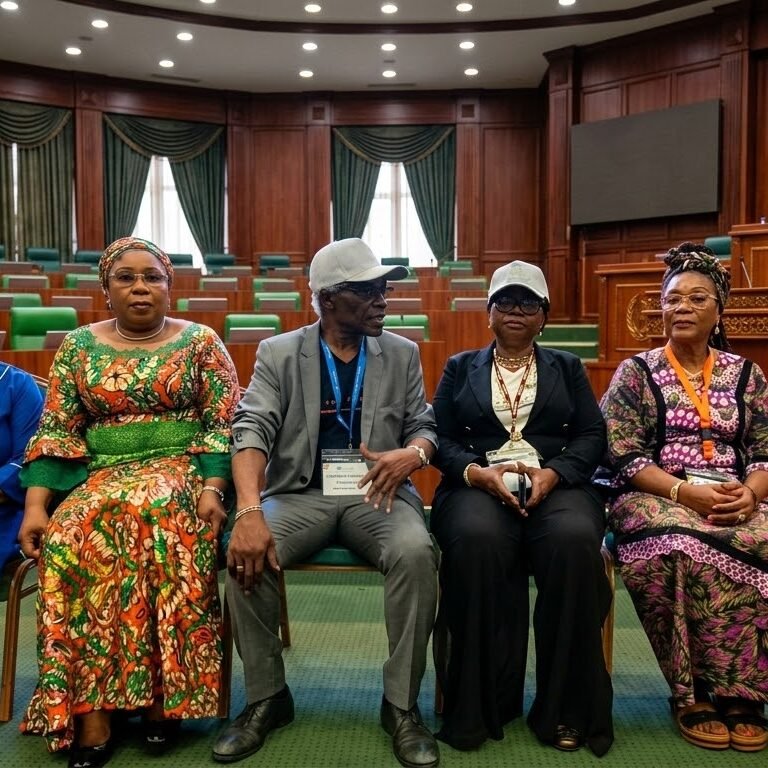
The DICAN workshop brought together media practitioners and other stakeholders to examine strategies for poverty reduction, sustainable development and improved livelihoods in Nigeria.