
0-0x0-0-0-{}-0-0#
By Gabriel Ameh
ABUJA, Nigeria – June 30, 2026 — Nigeria’s political parties have been challenged to return to their constitutional role as democratic institutions driven by ideology, accountability and citizen participation, as scholars and democracy advocates warned that the country’s democratic consolidation is under serious threat if urgent reforms are not undertaken.
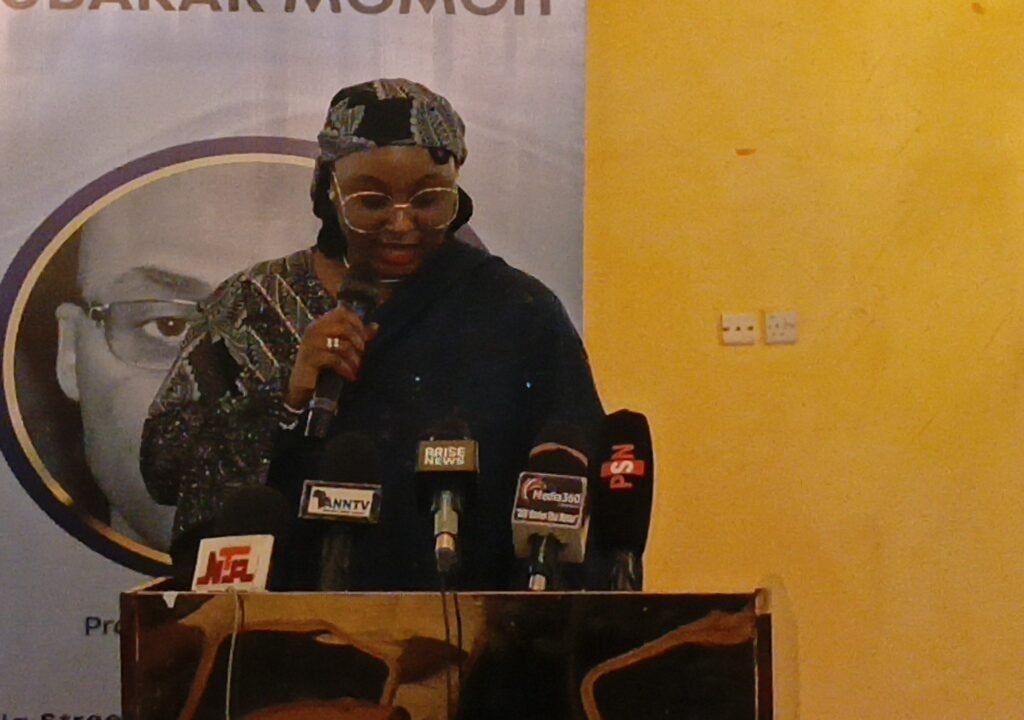
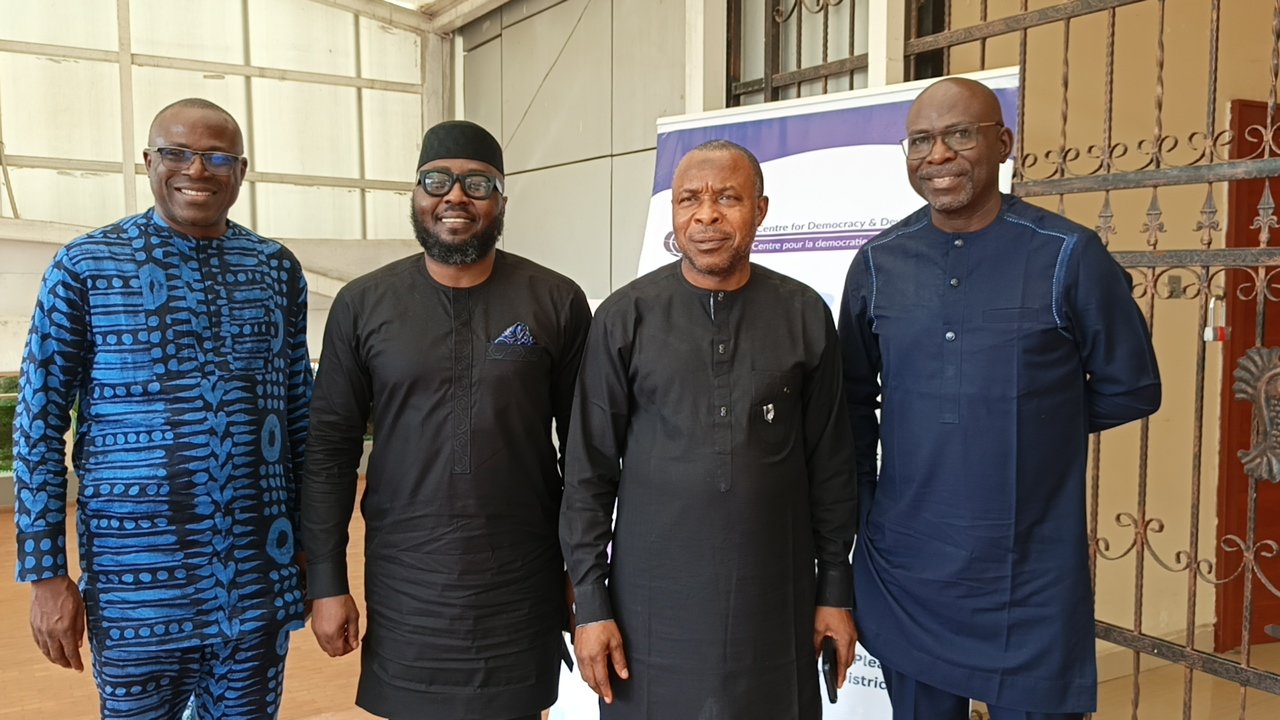
The call formed the central message at the 2026 Dr. Tajudeen Abdul-Raheem and Professor Abubakar Momoh Annual Memorial Lecture organised by the Centre for Democracy and Development (CDD), held in Abuja on Tuesday.
With the theme, “From Promise to Paralysis: Political Parties and the Challenges of Democratic Consolidation in Nigeria,” the event brought together academics, policy experts, civil society leaders and democracy practitioners to reflect on the enduring intellectual legacies of the two late pan-African scholar-activists while examining the current state of Nigeria’s democracy.
Welcoming participants, CDD Director, Dr. Dauda Garuba, described the annual memorial lecture as a platform dedicated to preserving the ideals championed by the late Dr. Tajudeen Abdul-Raheem and Professor Abubakar Momoh, whose lifelong commitment to social justice, democracy and pan-Africanism continues to inspire democratic discourse across Africa.
Garuba recalled that Abdul-Raheem, a Rhodes Scholar and former United Nations official, and Momoh, a Fulbright Scholar and former Director-General of The Electoral Institute under the Independent National Electoral Commission (INEC), were founding pillars of CDD who devoted their lives to strengthening democratic governance beyond ethnic, religious and regional divides.
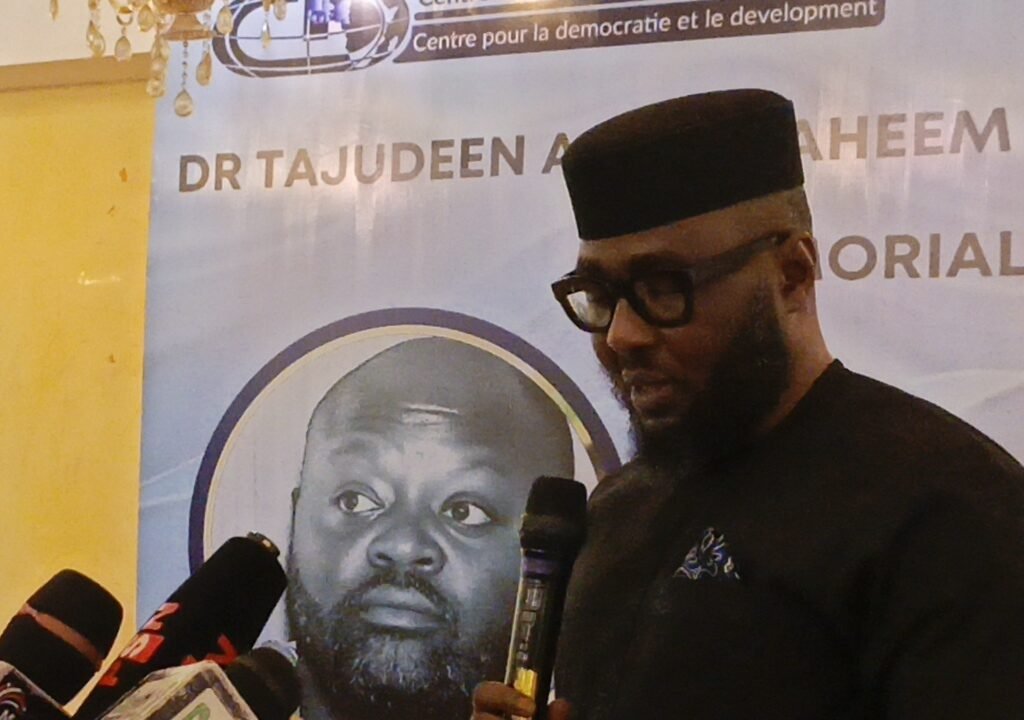
According to him, Nigeria’s democratic future depends largely on the strength of its political parties, lamenting that many parties have gradually abandoned their responsibility of policy development and ideological engagement in favour of power acquisition.
He noted that instead of functioning as institutions that nurture leadership, promote social justice and deepen democratic participation, many political parties have become vehicles for elite competition devoid of ideology, integrity and accountability.
Garuba further observed that the country faces unprecedented political uncertainty ahead of the 2027 general elections, with internal crises, prolonged litigations, multiple claims to party leadership and disputes over candidates threatening democratic stability.
He stressed that democracy can only thrive where political parties remain credible, internally democratic and responsive to citizens.
Earlier in her remarks, Professor Nana Tanko, Chief Executive Officer of the African Policy Research Institute (APRI), commended CDD for sustaining the memorial lecture as an important intellectual platform for examining Africa’s democratic journey while honouring two distinguished scholars whose writings continue to shape contemporary democratic thought.
She said the significance of the memorial extends beyond remembering Abdul-Raheem and Momoh, insisting that it provides an opportunity to revisit the difficult democratic questions that defined their scholarship.
According to her, fundamental questions remain unresolved: What is the real purpose of political parties? Who truly owns democracy? Can elections consolidate democracy when political parties themselves lack internal democracy? Can democracy survive when citizens participate only during elections while governance fails to deliver dignity, development and accountability?
Tanko argued that Nigeria’s political parties were originally expected to aggregate interests, recruit leaders, educate citizens, organise peaceful political competition and hold governments accountable.
However, she noted that many parties have evolved into electoral platforms characterised by weak ideological foundations, poor internal democracy, excessive influence of money politics and weak connections with citizens.
She explained that although Nigeria operates a multiparty system, the existence of many political parties has not automatically translated into stronger democratic consolidation because the critical challenge lies in the quality of party organisation, accountability, inclusion and citizen engagement rather than the number of registered parties.
Delivering the keynote lecture, Professor Samuel Egwu of the Department of Political Science, University of Jos, examined the deep structural weaknesses undermining Nigeria’s political party system and their implications for democratic governance.
He argued that many Nigerian political parties remain weakly institutionalised and largely function as elite vehicles rather than ideological organisations committed to public service.
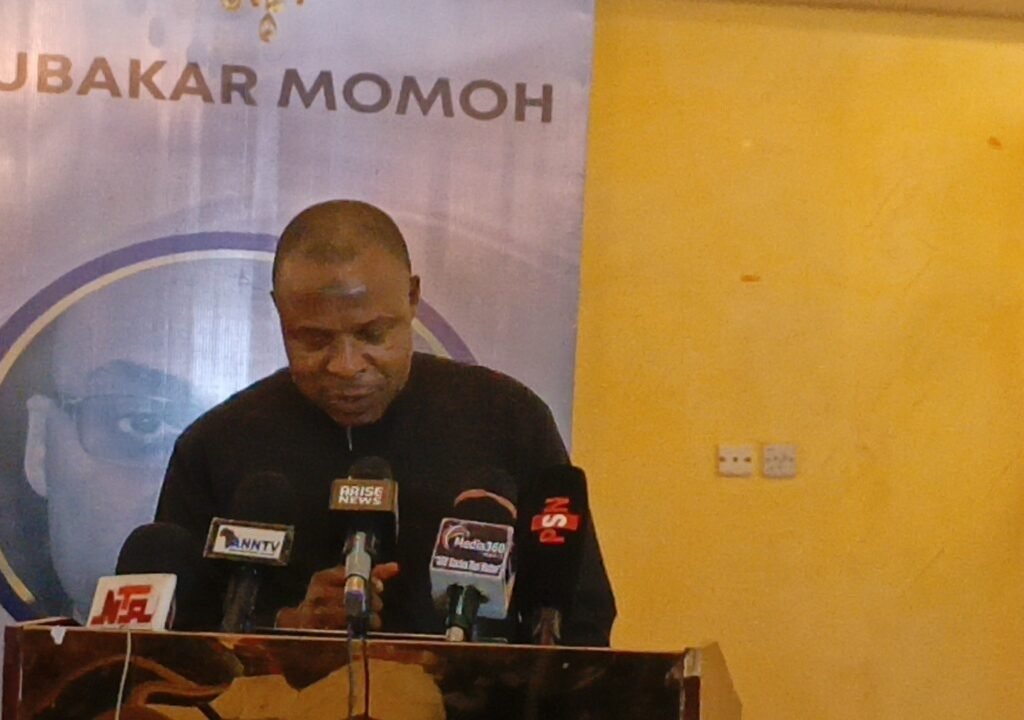
According to him, political mobilisation in Nigeria continues to revolve around ethnic, regional and religious identities instead of coherent policy alternatives capable of addressing national development challenges.
Egwu identified weak internal democracy as one of the most damaging features of Nigeria’s party system, noting that candidate imposition, opaque primary elections, prolonged nomination disputes and the overwhelming influence of political financiers have consistently undermined representative democracy.
He maintained that when party members are denied meaningful participation in selecting candidates, general elections merely legitimise decisions already imposed by powerful elites.
The keynote speaker also criticised the persistent culture of political defections, describing it as evidence of weak party institutionalisation.
He observed that the ease with which politicians move from one political party to another without ideological consequences has weakened party identity, discipline, accountability and public confidence, leaving many Nigerians with the impression that political parties are merely electoral labels rather than institutions founded on shared values and principles.
Egwu further reflected on the outcome of the 2023 general elections, noting that while technological innovations and legal reforms initially raised public expectations, controversies surrounding result transmission, voter intimidation, vote-buying and post-election litigation significantly undermined confidence in the electoral process.
He noted that low voter turnout has become one of the clearest indicators of growing democratic alienation, warning that declining citizen participation reflects increasing public frustration with political institutions.
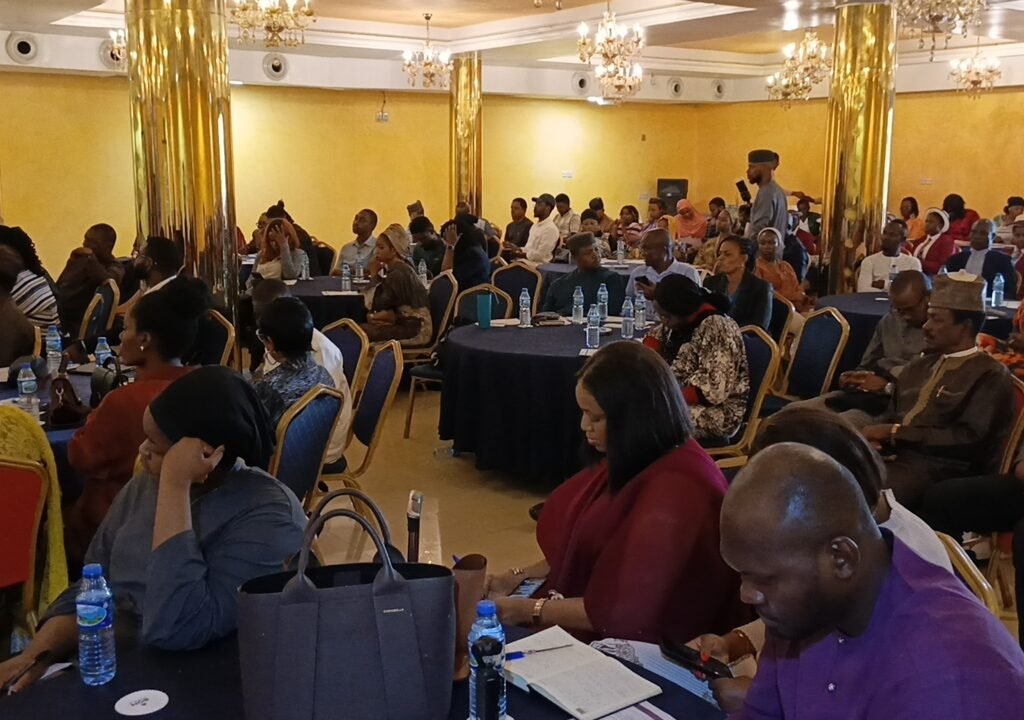
The political scientist also expressed concern over the persistent fragmentation of opposition parties and growing fears of dominant-party politics ahead of the 2027 elections.
He observed that recurring defections, internal crises and coalition negotiations demonstrate the fragility of Nigeria’s opposition landscape and expose the vulnerability of political parties to elite interests and state influence.
Speaking further, Egwu highlighted the continued exclusion of women, young people, persons with disabilities and other marginalised groups from meaningful participation in party leadership, candidate selection and political financing.
He argued that genuine democratic consolidation cannot occur unless political parties deliberately create more inclusive structures that expand opportunities for broader citizen participation.
Drawing inspiration from the intellectual contributions of Abdul-Raheem and Momoh, Egwu insisted that the present paralysis of Nigeria’s political parties is neither inevitable nor irreversible.
He said the country’s democratic challenges are products of political choices, institutional weaknesses and governance cultures that can be transformed through deliberate reforms.
According to him, sustainable democratic consolidation will require comprehensive reforms of political institutions, stronger internal party democracy, ideological clarity, ethical political leadership, active civic engagement and governance that prioritises the welfare of citizens.
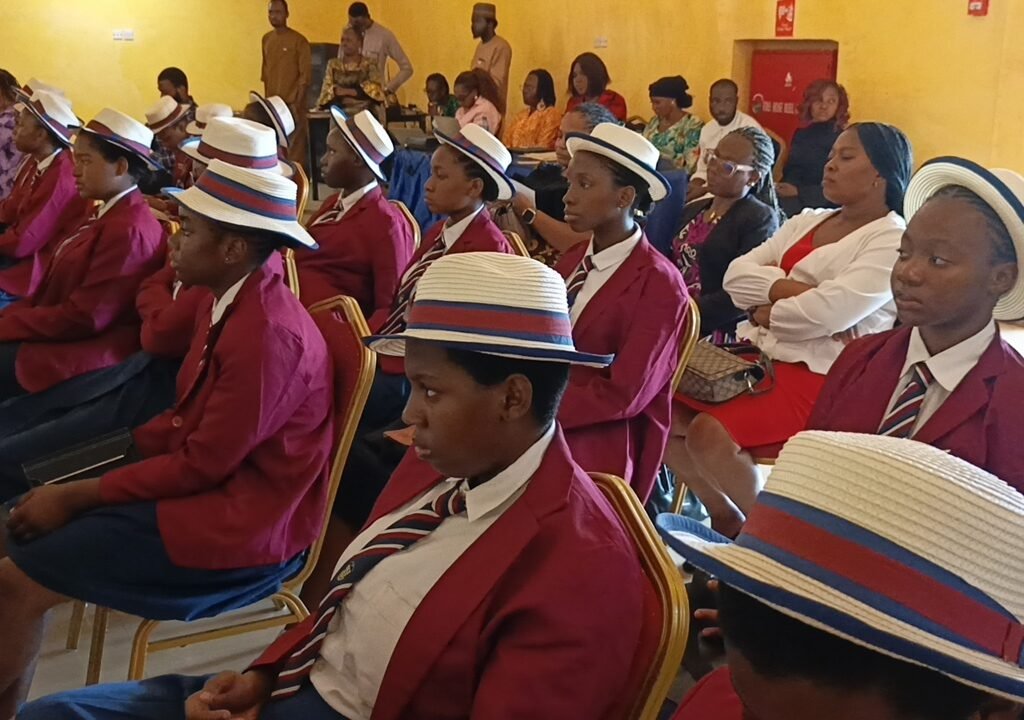
The speakers collectively agreed that Nigerians remain committed to democratic governance despite growing public frustration arising from insecurity, economic hardship, poor governance and declining trust in political institutions.
They warned that rising voter apathy represents a serious threat to democracy and urged political actors to rebuild citizens’ confidence by strengthening political parties, promoting transparency, ensuring inclusive participation of women and youth, and linking democracy more directly to improved livelihoods, security, dignity and accountable governance.
Participants at the memorial lecture were also encouraged to advance practical recommendations that would help reposition Nigeria’s political parties as genuine democratic institutions capable of deepening national development and democratic consolidation.
The annual memorial lecture remains one of CDD’s flagship intellectual engagements dedicated to preserving the legacies of Dr. Tajudeen Abdul-Raheem and Professor Abubakar Momoh while promoting evidence-based dialogue on Africa’s democratic future.