
By Gabriel Ameh
For many young Nigerians with promising ideas, the biggest challenge is not coming up with an invention. It is finding the money, mentorship, infrastructure and connections needed to turn that idea into something people can actually use.
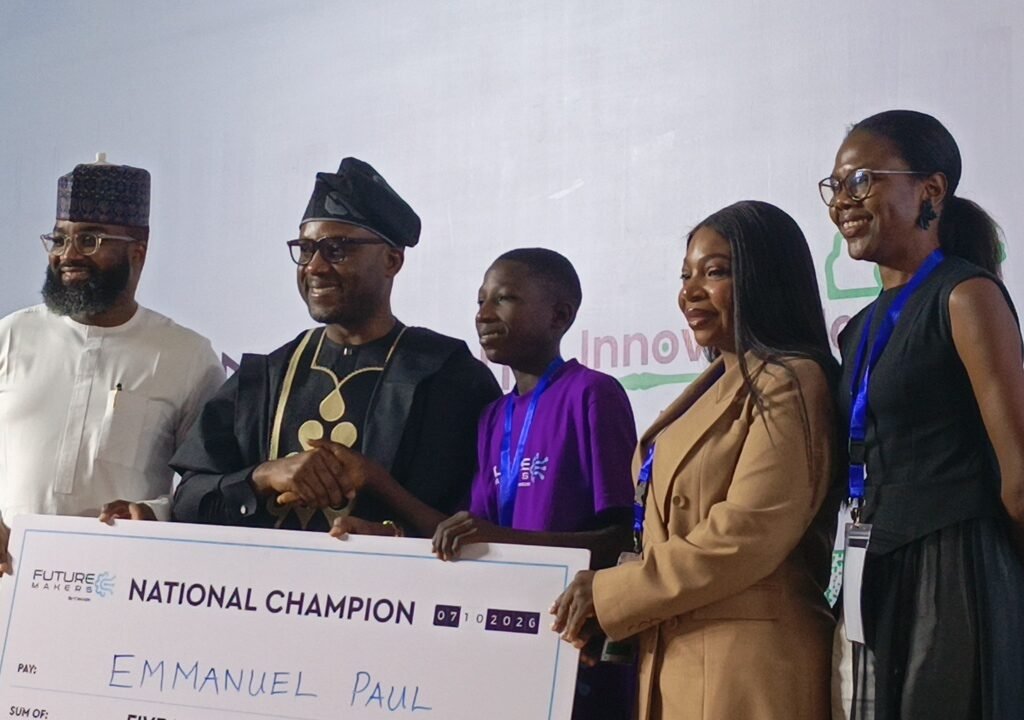
That gap is what AfriLabs and the National Agency for Science and Engineering Infrastructure (NASENI) are trying to address through a nationwide innovation support programme that has reached more than 3,500 young Nigerians.
The initiative, delivered through the InnovateNaija and FutureMakers programmes, is searching for promising ideas beyond Nigeria’s established technology hubs and giving young innovators opportunities to develop and commercialise their solutions.
The programmes have reached innovators across all 36 states and the Federal Capital Territory, with solutions emerging in areas including agriculture, manufacturing, healthcare, education, renewable energy and climate technology.
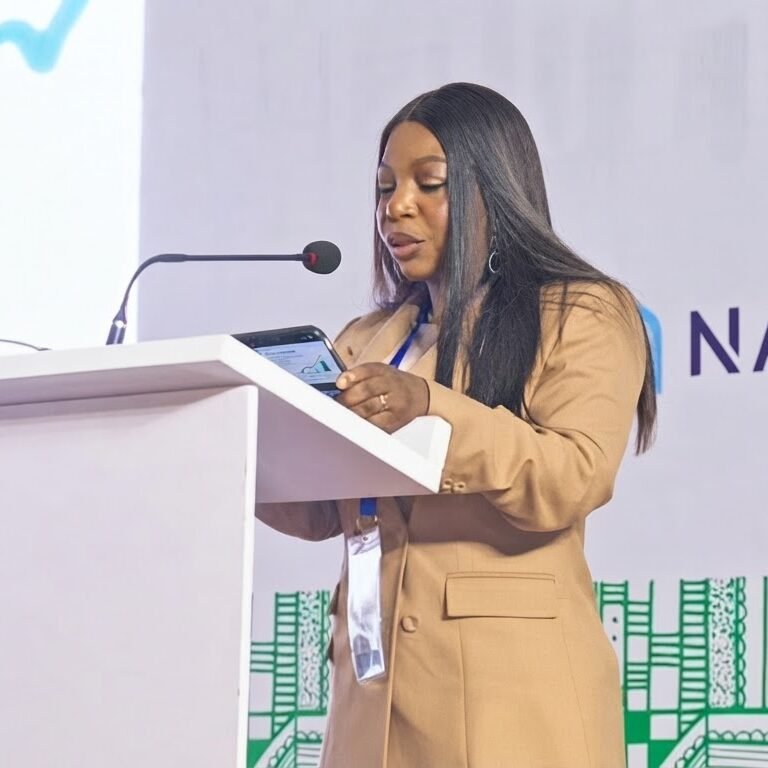
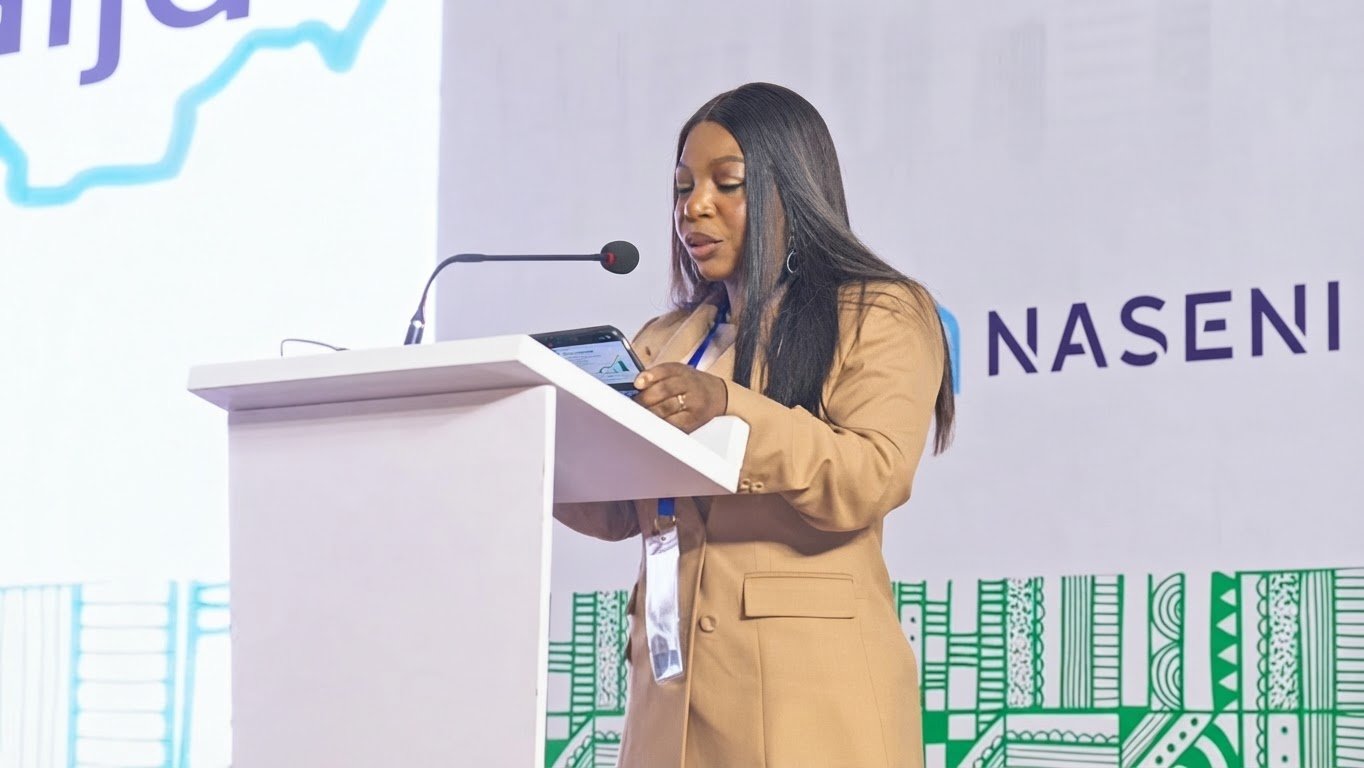
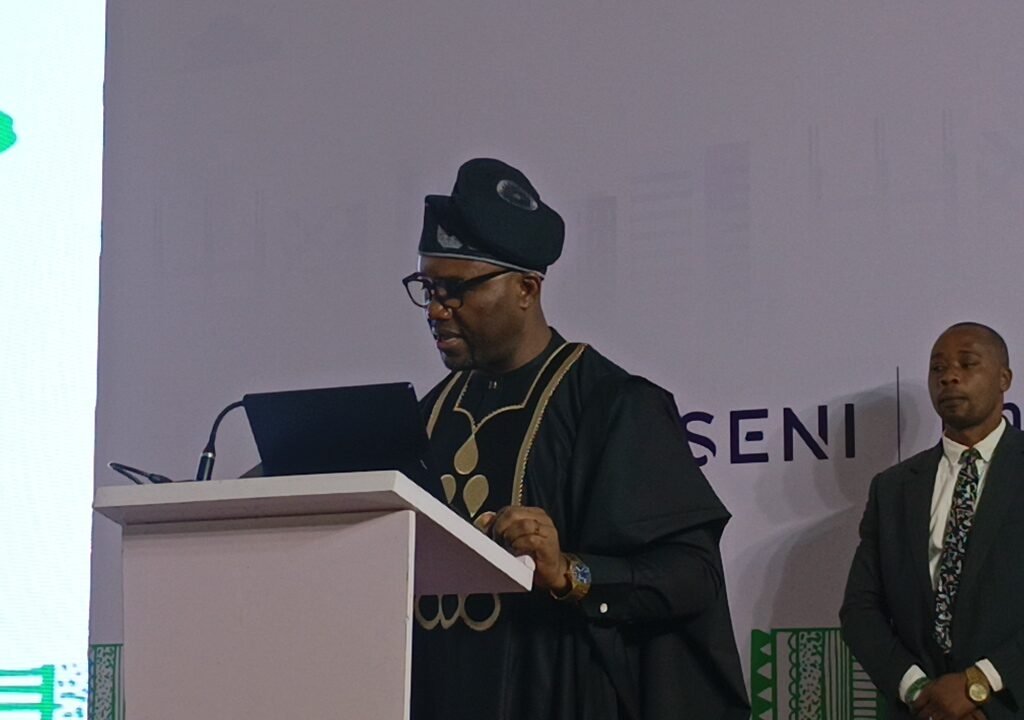
Speaking at the 2026 InnovateNaija Final Pitch Event and Awards Ceremony in Abuja, AfriLabs Director of Programmes, Nanko Madu, said the initiative was created to ensure that a young innovator’s location does not determine whether their idea gets noticed.
AfriLabs, a pan-African network connecting innovation hubs and ecosystem players, partnered with NASENI to create a platform that can identify innovators across Nigeria and connect them to mentorship, technical assistance, funding, markets and visibility.
Turning Nigerian problems into Nigerian solutions
Madu said the need for locally developed solutions had become more important because technologies designed for other countries do not always fit Nigeria’s realities.
Issues such as unreliable electricity, infrastructure limitations, climate conditions, local languages, cultural practices and the purchasing power of consumers can affect how imported technologies perform in Nigeria.
She said Nigerian innovators were already developing solutions in classrooms, workshops and laboratories, but many lacked the support needed to move from experimentation to commercial production.
InnovateNaija was therefore designed to give Nigerians aged 15 to 40 a platform to showcase their ideas, receive mentorship and compete for financial support.
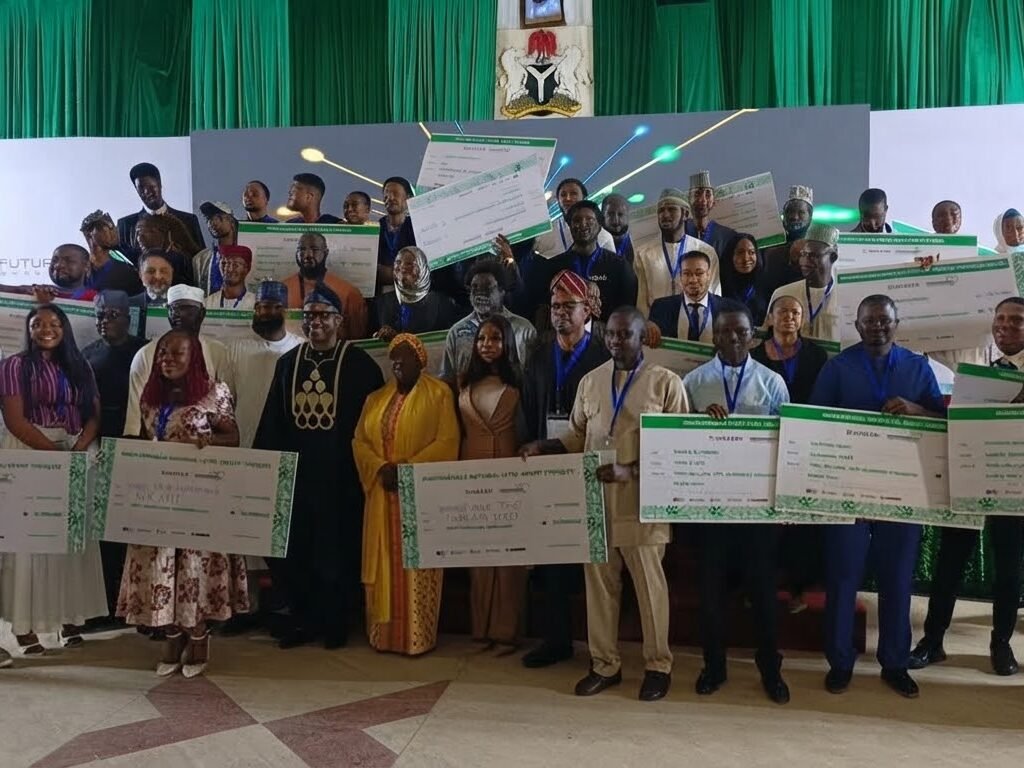
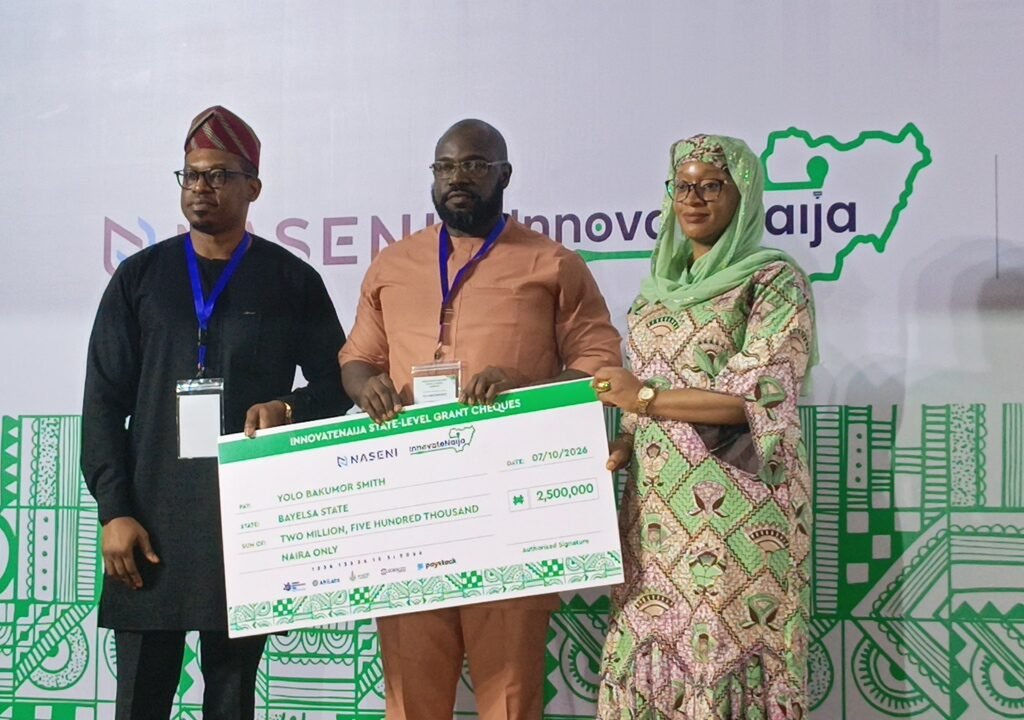
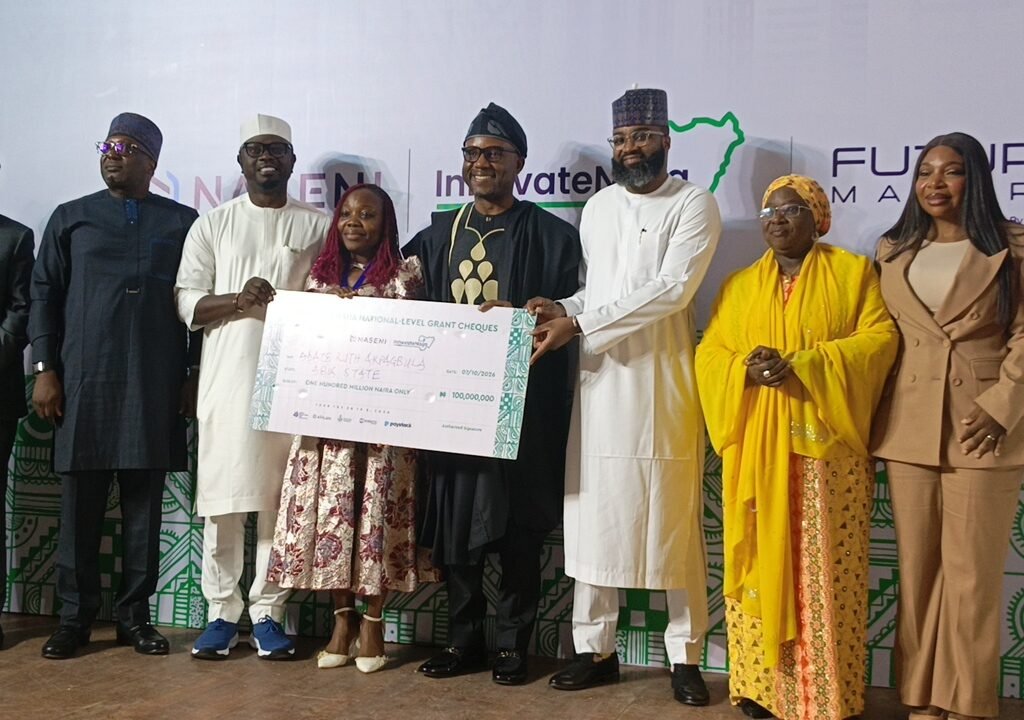
The programme produced 36 state champions and one champion from the FCT, with each initially receiving ₦2.5 million.
The top three national winners received ₦100 million, ₦30 million and ₦20 million respectively.
The farmer’s problem behind the ₦100m prize
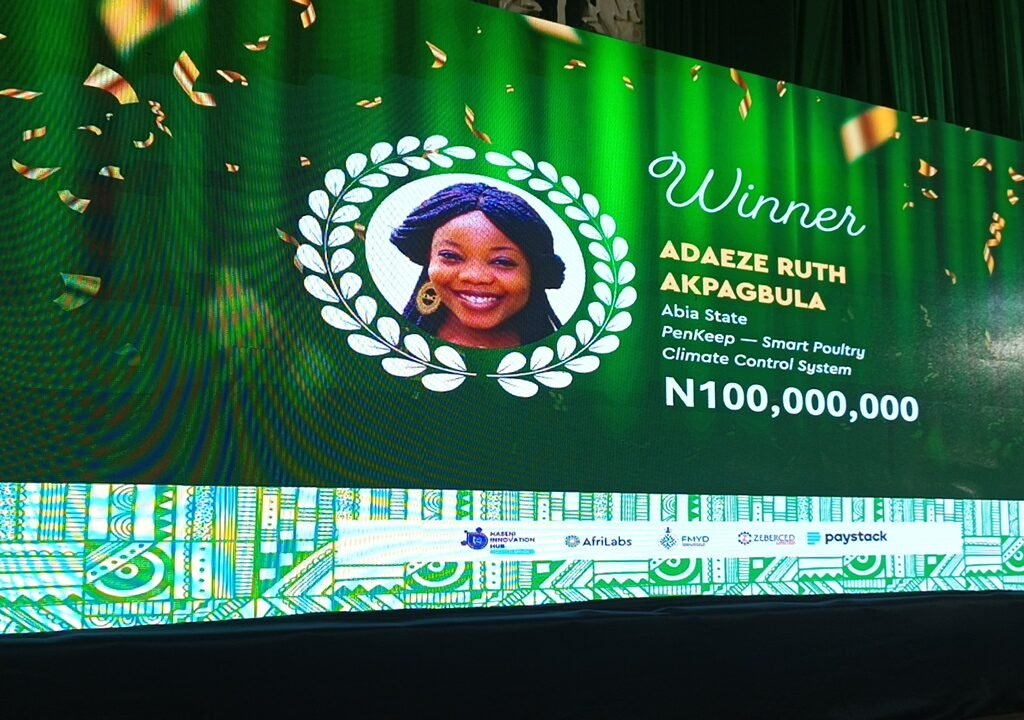
The overall winner, Abia State’s Adaeze Ruth Akpagbula, provides an example of the kind of practical solution the programme is trying to support.
Akpagbula, an agricultural engineer and co-founder of Farm Speak, developed the PenKeep Smart Poultry Climate Control System to help farmers monitor and manage environmental conditions in poultry farms, aquaculture facilities, greenhouses and smart irrigation systems.
Her innovation earned her the ₦100 million top prize.
Akpagbula said climate-related challenges can result in significant losses for farmers and that affordable climate-smart technology could help them improve productivity and reduce losses.
She said the funding would allow Farm Speak to increase its production capacity and take the technology to more farmers.
But funding is not the only challenge facing innovators.
Akpagbula identified access to infrastructure and finance as major obstacles for hardware developers trying to build and scale products in Nigeria.
States begin to step in
The programme has also attracted support from state governments.
The governors of Abia, Anambra, Enugu, Plateau and Kaduna states matched the ₦2.5 million grants awarded to their respective state champions.
The intervention increased the support for the five state champions to ₦5 million each.
In Anambra, Governor Chukwuma Soludo’s Special Adviser on Innovation and Business Incubation, Chinwe Okoli, said the state approved its matching grant after NASENI approached the government.
Okoli, who represented the governor at the Abuja ceremony, said the support was consistent with Anambra’s technology-driven development agenda.
She disclosed that 111 startups had received about ₦364 million through various state programmes, while 264,000 people had undergone digital skills training.
The state is also developing a 13.7-hectare Solution Innovation District at the old government house to provide space and support for startups, innovators and technology entrepreneurs.
Starting innovation early
The partnership is also looking beyond today’s entrepreneurs.
Through the FutureMakers programme, AfriLabs and NASENI are targeting children and young people between five and 16 years, with activities focused on innovation, problem-solving, design thinking, leadership and entrepreneurship.
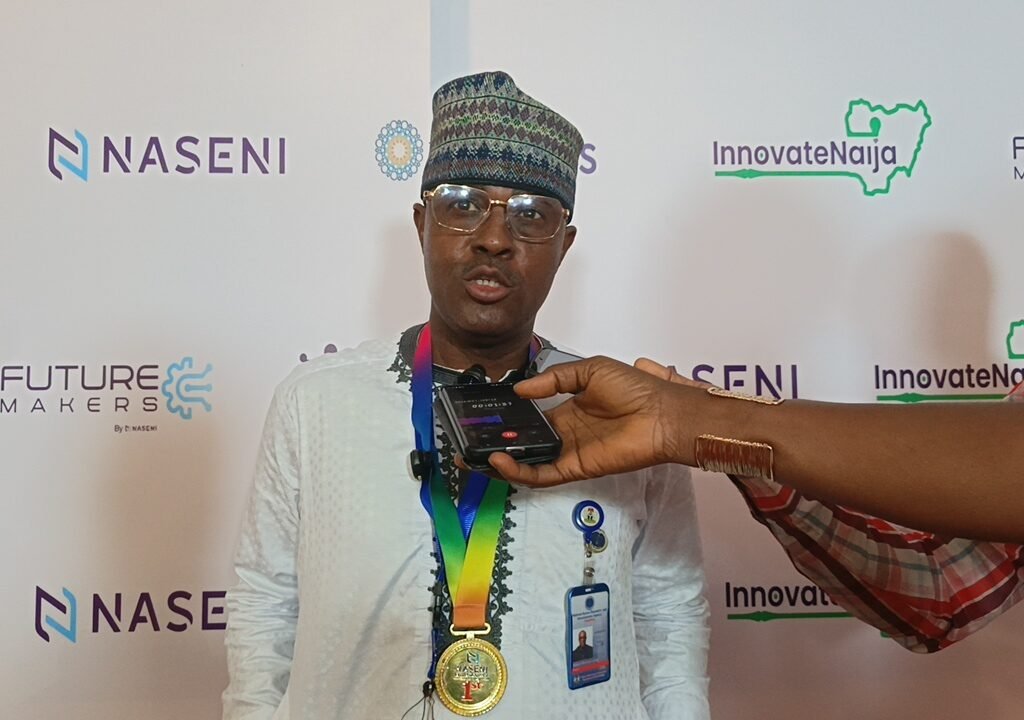
Head of the NASENI Innovation Hub, Busola Perez-Folayan, said the programme was deliberately structured to discover talents outside the traditional technology ecosystem.
She said the initiative had attracted young people from different backgrounds, including children from underserved communities.
Perez-Folayan said InnovateNaija received more than 1,000 applications before public voting produced 36 state champions and the final 15 national contestants.
The selected innovators are expected to continue receiving support through incubation, business development, technical assistance and investor matching.
Government wants ideas to become businesses
The Federal Government has also signalled support for the commercialisation push.
Representing President Bola Ahmed Tinubu at the event, Minister of Innovation, Science and Technology, Dr Kingsley Tochukwu Udeh, said the quality of the solutions presented by young Nigerians demonstrated the country’s untapped innovation potential.
Udeh said the administration was working to connect innovators and researchers with investors and industries capable of taking their ideas into the marketplace.
He also disclosed that President Tinubu had forwarded a bill to the National Assembly seeking the establishment of a National Research and Innovation Development Fund.
The proposed fund is expected to provide dedicated support for research, inventions and innovations with commercial potential.
The bigger picture
For AfriLabs and NASENI, the objective goes beyond giving out prizes.
The bigger challenge is creating a system where a young Nigerian with a useful idea can move from a classroom, workshop or small laboratory to a functioning business without being stopped by lack of funding, mentorship or market access.
If that support can be sustained, programmes such as InnovateNaija could help uncover more solutions designed specifically for Nigerian realities — and give their creators a realistic path from idea to product, and from product to business.
Credit: Media360Impact | Information from AfriLabs, NASENI and the 2026 InnovateNaija Final Pitch Event and Awards Ceremony.