
By Gabriel Ameh
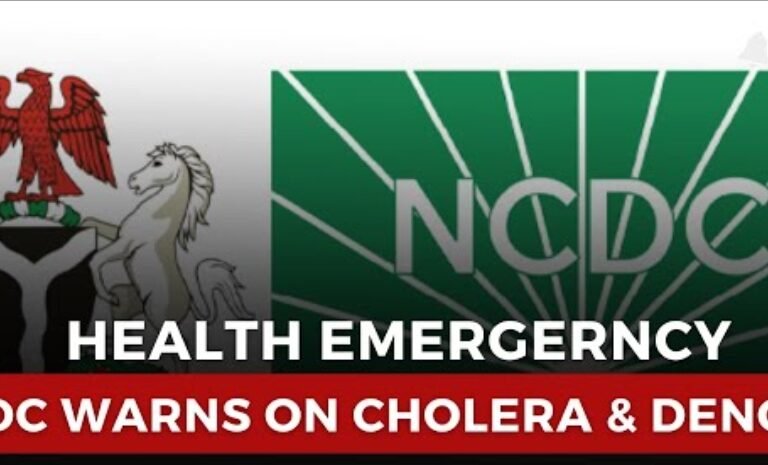
The Nigeria Centre for Disease Control and Prevention (NCDC) has warned Nigerians against assuming that every fever is malaria, following confirmed cases of dengue fever and chikungunya in parts of the country.
The warning comes as health authorities report dengue cases in Sokoto and Zamfara states, alongside chikungunya infections in Sokoto.
The Director-General of the NCDC, Jide Idris, disclosed the development in an update reported by Channels Television on November 10, saying national rapid response teams had been deployed to support investigations and response activities in the affected states.
The teams include specialists from the National Arbovirus Research Centre in Enugu and are working with state health authorities on case identification, laboratory investigations, clinical preparedness, community engagement and mosquito control.
The development highlights the need for Nigerians to pay closer attention to fever symptoms instead of automatically treating every case as malaria.
Dengue and chikungunya are mosquito-borne viral infections. Both can cause fever, headaches and body pains, while chikungunya is particularly associated with joint pain.
According to the NCDC, severe abdominal pain, repeated vomiting, bleeding and difficulty breathing may indicate serious dengue complications and require urgent medical attention.
The agency has urged healthcare workers to strengthen diagnosis and surveillance, while encouraging the public to seek appropriate medical assessment when symptoms develop.
The warning is particularly important in communities where access to laboratory testing and adequate healthcare services remains limited.
Misdiagnosis or delayed treatment can make it harder to identify serious illnesses early, especially when symptoms resemble those of more familiar infections.
The NCDC has also urged residents to support mosquito-control efforts and reduce possible breeding sites around their homes.
These measures include removing stagnant water, keeping water containers properly covered and maintaining clean surroundings.
Health authorities are also strengthening surveillance for other infectious diseases, including diphtheria and cerebrospinal meningitis, as the dry season approaches.
For Nigerians, the message is clear: fever should not automatically be treated as malaria without appropriate medical assessment.
Health workers and patients alike need to consider other possible infections, particularly in areas where dengue and chikungunya have been identified.
Source: Nigeria Centre for Disease Control and Prevention (NCDC), as reported by Channels Television, November 10, 2026; CDC Nigeria update, November 12, 2026.