0-0x0-0-0-{}-0-0#
By Gabriel Ameh
📍Abuja — Nigeria’s deepening youth employment crisis took a bold and emotional spotlight as Teach the Child Initiative premiered its documentary on Employment Advocacy for Rural Youth, revealing the structural barriers keeping millions of skilled young Nigerians locked out of meaningful opportunities.
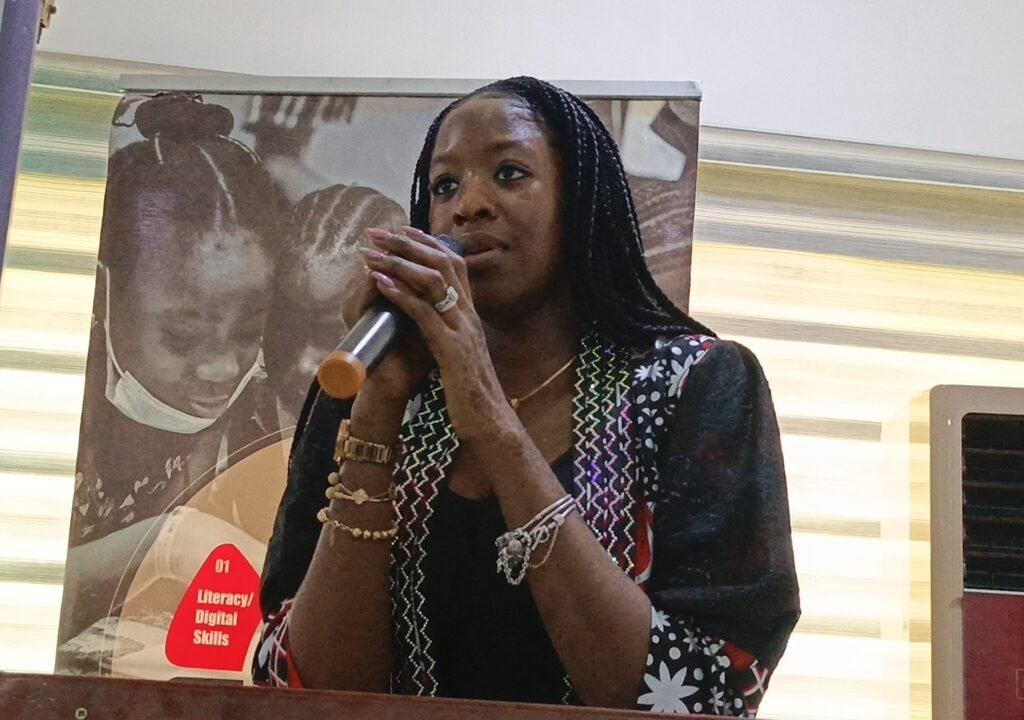
At the heart of the premiere was a compelling address by the organisation’s CEO, Pearl Utuk, who challenged long-held assumptions about unemployment in Nigeria. She painted a stark picture of a country with an estimated population of 230 million people, where a significant portion of its youth despite possessing practical, hands-on skills remain trapped in informal jobs or underemployment.
“What we heard was not laziness or indifference,” Utuk said. “What we heard was ambition meeting a wall.”
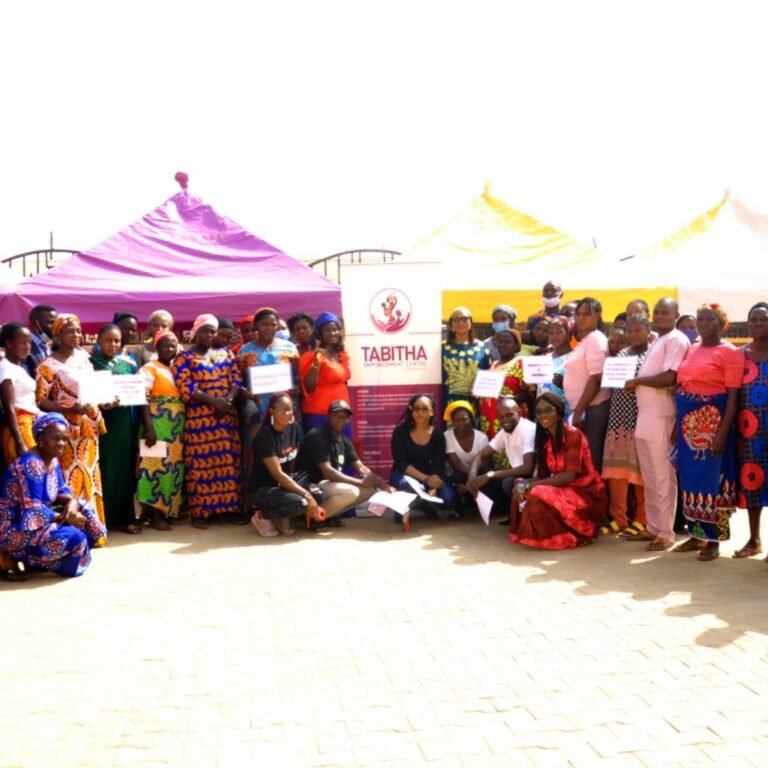
The documentary draws from extensive grassroots engagement across all six area councils of the Federal Capital Territory Kuje, Bwari, Kwali, Gwagwalada, Abaji, and AMAC where the organisation conducted focus group discussions and town hall meetings with young people, traditional rulers, policymakers, and private sector stakeholders.
Across these communities, a consistent pattern emerged: young Nigerians are eager to work and grow, but face systemic obstacles including lack of access to information, high transportation costs to training centres, and entrenched practices like nepotism.
In some cases, even when opportunities exist, they remain out of reach. In Abaji, for instance, selected youths were unable to attend government training programmes simply because they could not afford transportation to distant centres.
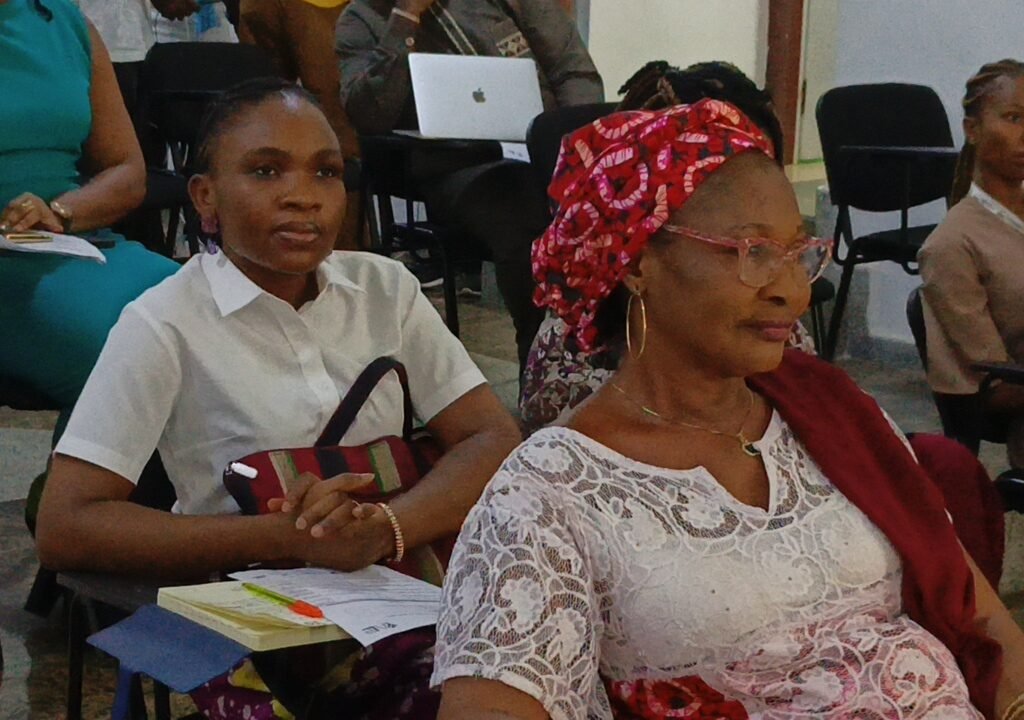
One recurring theme was the disconnect between skills and recognition. Many young people have mastered trades through apprenticeships or self-learning but are repeatedly excluded from formal employment due to lack of certification.
Utuk brought attention to a largely unknown but transformative policy the National Skills Qualification Framework (NSQF) which allows individuals to gain formal recognition and certification for skills acquired outside traditional education systems.
Despite its potential to reshape the labour market, awareness of the framework remains alarmingly low, even among employers.
In a striking revelation, Utuk recounted how a hiring manager at a major company admitted to never having heard of the policy, despite regularly recruiting staff. This, she noted, highlights a critical gap between policy creation and real-world implementation.
“We are not dealing with a talent deficit in Nigeria,” she emphasized. “We are dealing with a systems problem a structural and access problem.”

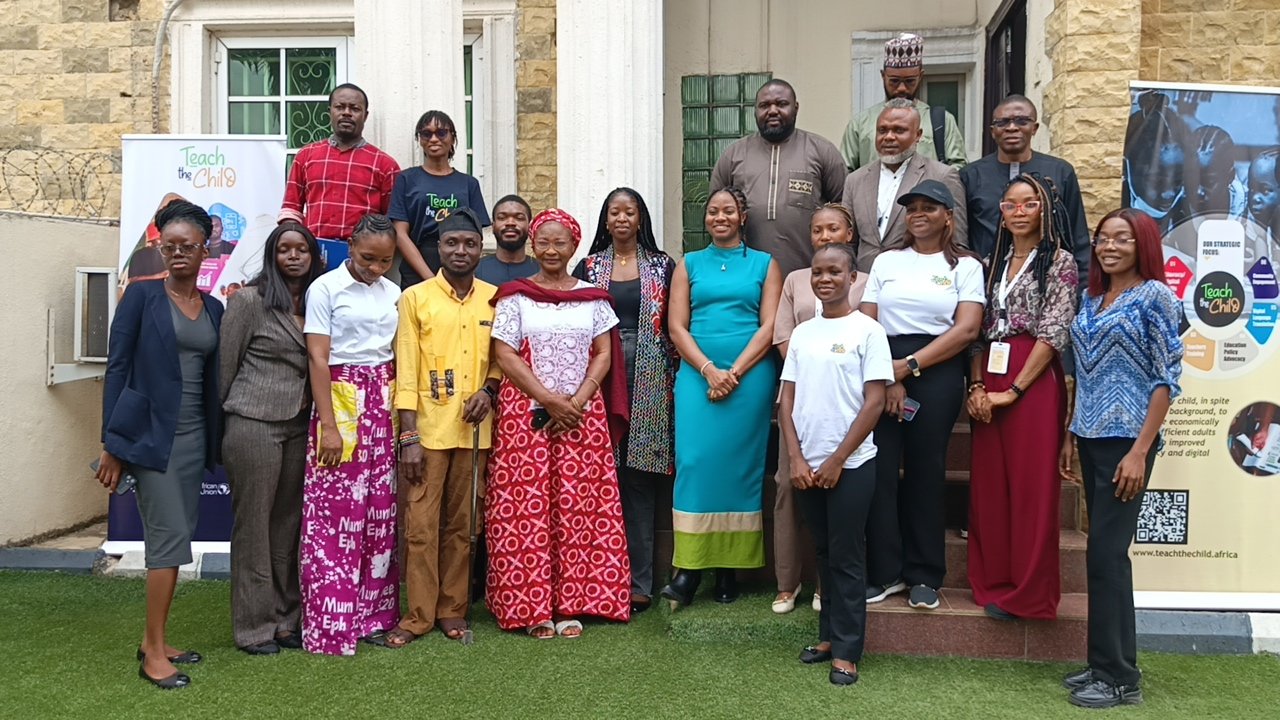
The documentary, supported by the African Union–European Union Youth Action Lab and implemented in collaboration with organisations such as Restless Development and the European Youth Forum, goes beyond storytelling to present real voices, lived experiences, and uncomfortable truths from underserved communities.
But beyond exposing the challenges, the initiative also delivered measurable impact. Stakeholders in some communities committed to establishing new training centres, while others signed communiqués pledging to support youth employment initiatives.
In Kuje, a young woman reportedly secured a contract to service multiple apartments, while another participant living with a disability received immediate financial support during a town hall session.
The project also fostered high-level engagement with institutions such as the National Board for Technical Education and the Federal Ministry of Education, alongside traditional leaders who endorsed the initiative within their communities.
Utuk concluded with a strong call to action directed at employers, policymakers, and young Nigerians alike. She urged businesses to rethink recruitment practices and recognise skills beyond formal certificates, while calling on government actors to ensure that existing frameworks like the NSQF are effectively implemented and accessible.
“The law already recognises their skills,” she said. “The question is are we ready to act on it?”
As the documentary rolled, it became clear that the story of Nigeria’s youth is not one of failure, but of potential constrained by systemic gaps gaps that initiatives like Teach The Child are now working to close, one community at a time.