
By Gabriel Ameh
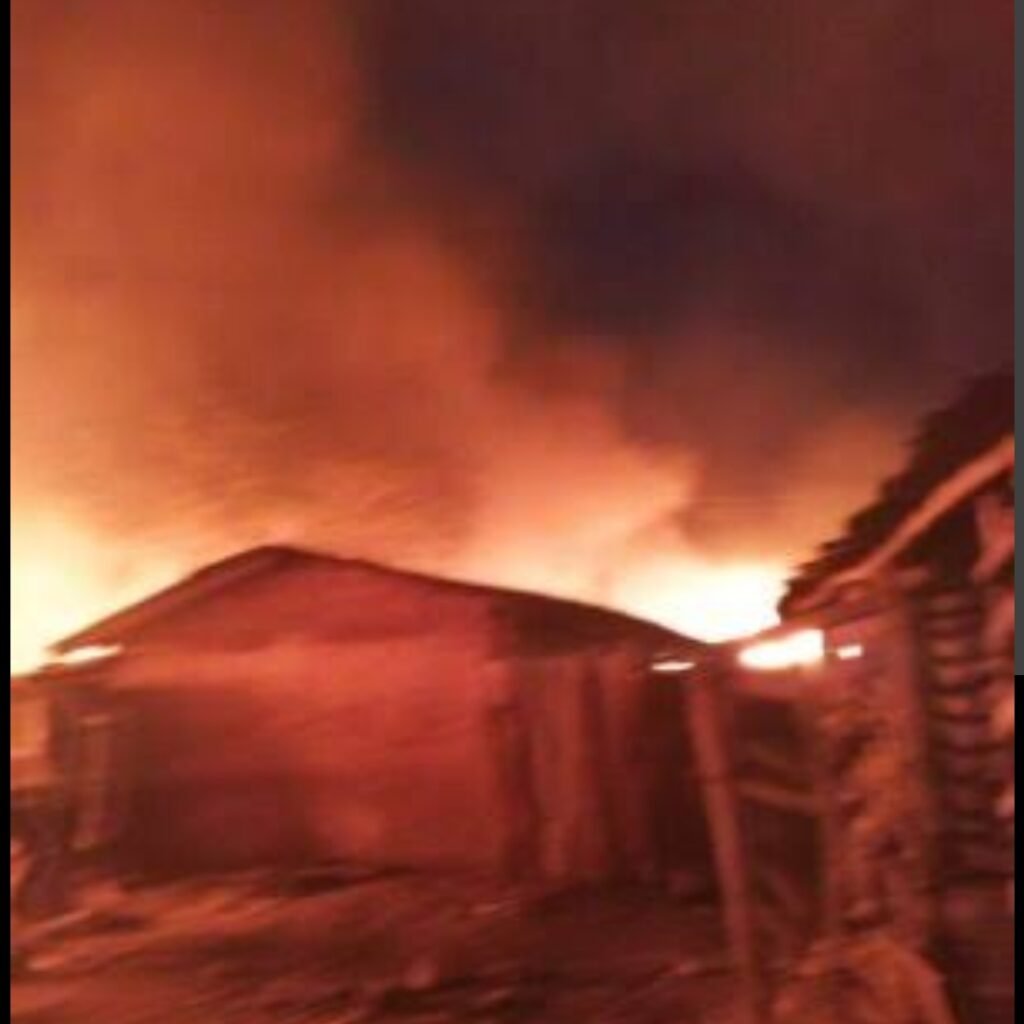
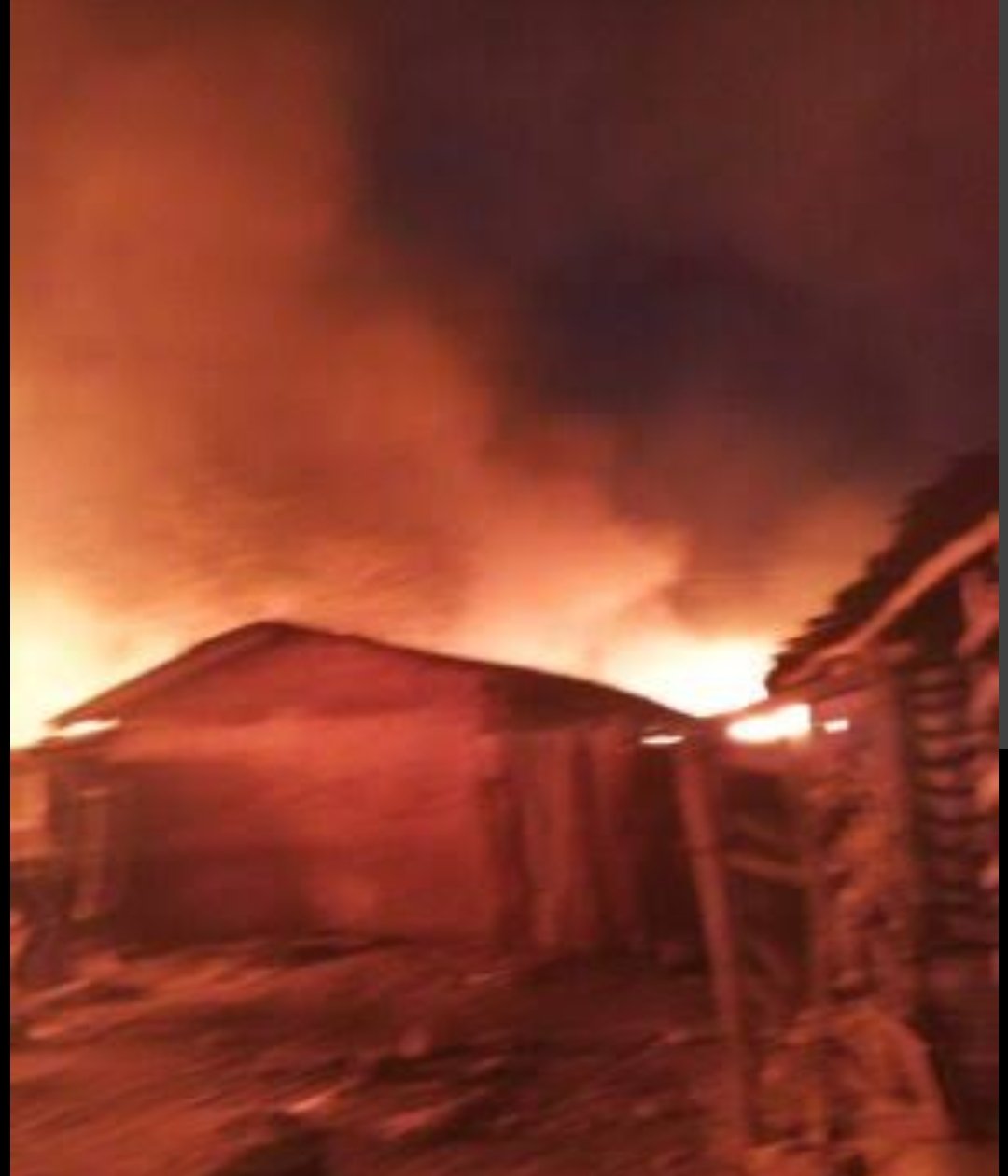
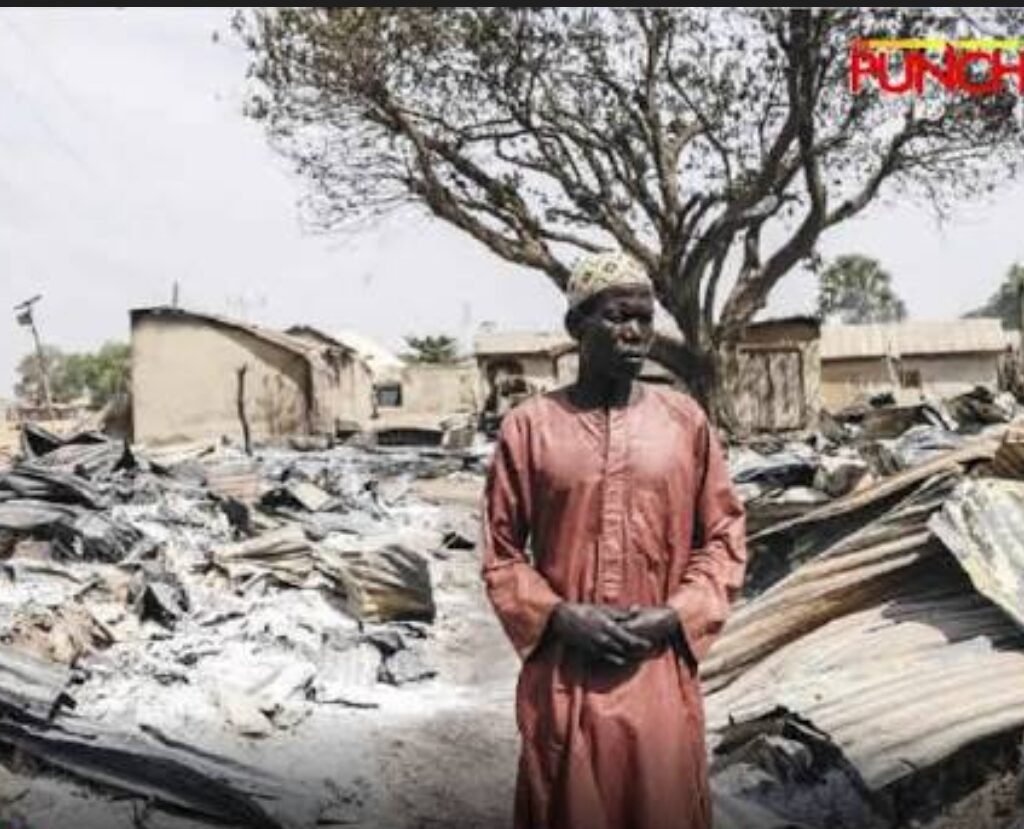
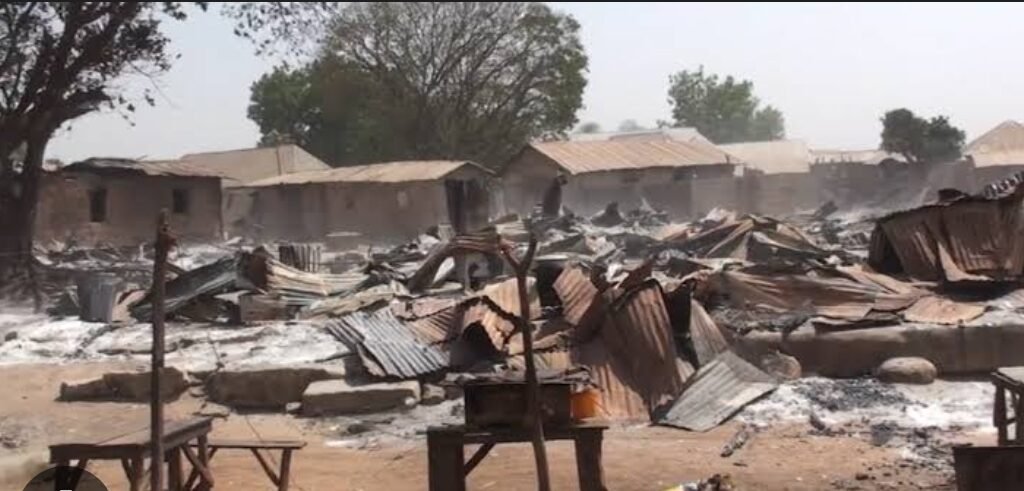
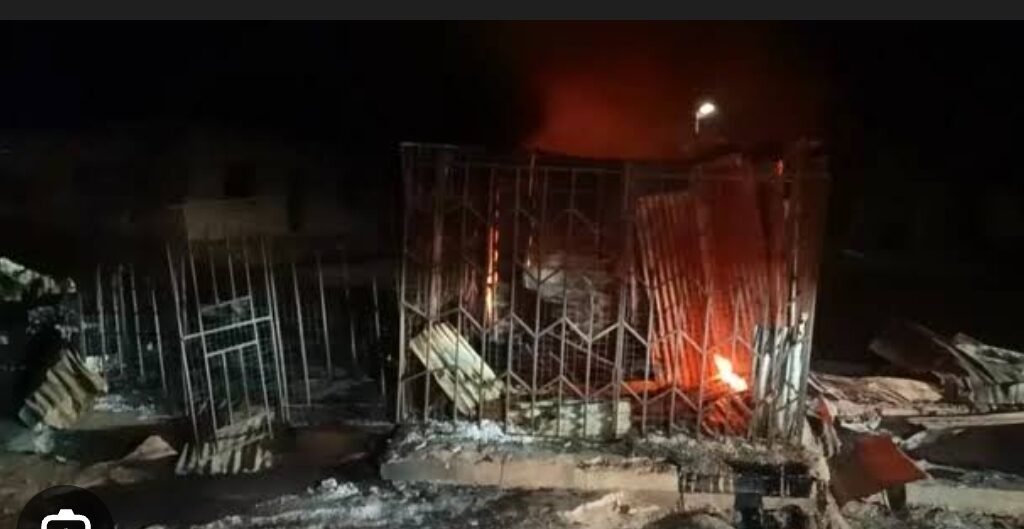
The recent Kaiama attack in Kwara State, which claimed at least 75 lives, is a grim reminder of the persistent security challenges facing Nigeria. The brutality of the assault targeting civilians in their own community underscores the growing threat of violent extremists and criminal elements in rural areas.
What Happened?
According to official reports, the attack occurred on February 3, 2026, in Woro and surrounding villages within Kaiama LGA. Residents, who had resisted extremist indoctrination attempts, became targets of retaliation. The attackers reportedly acted with calculated violence, aiming to terrorize the community and force compliance.
Government and Security Response
In response, the Inspector-General of Police, Kayode Adeolu Egbetokun, ordered an immediate deployment of tactical, operational, and intelligence resources. The Armed Forces of Nigeria and Police have also launched a manhunt for the perpetrators. Official statements emphasize the restoration of peace, protection of lives, and the assurance that justice will be delivered.
While swift, this response highlights both the strengths and limitations of Nigeria’s security architecture. On one hand, rapid deployment demonstrates operational capability and commitment to public reassurance. On the other, the attack reveals gaps in preventive intelligence, community protection, and early warning systems, which allowed extremists to strike with deadly effect.
The Kaiama tragedy is not just a law enforcement issue; it is a national challenge requiring multi-layered solutions. Reactive deployments are necessary, but they cannot replace proactive strategies: community engagement, intelligence sharing, and local capacity building must be strengthened to prevent such attacks before they occur.
Moreover, this incident raises questions about rural vulnerability. Many communities outside urban centers remain exposed, often lacking sufficient police presence and local security infrastructure. Strengthening these areas, combined with regional intelligence cooperation, should be a national priority.
Finally, Nigerians must recognize that security is a shared responsibility. While the Armed Forces and Police play a critical role, community vigilance, timely reporting of suspicious activity, and resilience against extremist ideologies are essential in curbing such atrocities.
The Kaiama massacre is a tragedy, but it must serve as a catalyst for rethinking Nigeria’s security strategy. Beyond immediate deployments and arrests, a forward-looking, intelligence-driven, and community-based approach is required to safeguard citizens. The lives lost demand nothing less than a comprehensive and sustained effort to prevent similar attacks in the future.
If you want, I can also convert this into a Facebook/LinkedIn editorial post with hashtags, bold takeaways, and questions to encourage reader interaction. This could spark civic discussion while positioning you as a thought leader on security issues.