
By Gabriel Ameh Media360Impact Editorial
When our leaders step up to make pledges, donations or assistance at public or private functions, the currency in which they announce, those commitments speaks a message far beyond the amount named.
In Nigeria today we frequently hear these officials say, “We pledge US $100,000 to the Super Falcons,” or “We commit US $10,000 per graduate” yet rarely do they say “₦ (so many millions) naira”.
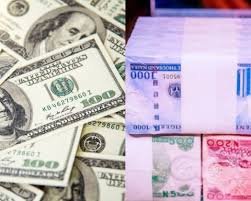
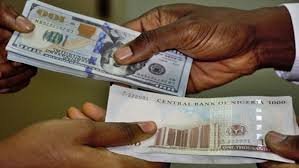
This tendency to reference foreign currency, especially the U.S. dollar, rather than the Nigerian naira, is more than rhetorical; it is symbolic, economic, cultural, and deeply problematic.
It undermines our local content, weakens pride in our currency, perpetuates dependency, and sends the message that we do not value our own money.
The Currency of Dependence
By habitually referencing dollars instead of naira in public commitments, our leadership does three things:
- Signals a lack of confidence in the naira as the symbol of national worth. if leaders themselves announce in dollars, how can citizens believe in the naira’s value?
- Reinforces currency not purpose focus shifts from what the money will do to how much it is “in dollars”. That distracts from the actual substance of the pledge.
- Promotes foreign rather than local precedence the implicit suggestion becomes “foreign currency is more meaningful”, even for domestic causes.
It is worth reminding that Nigeria’s law recognizes the naira as the legal tender for all domestic transactions. Indeed economic commentators such as Jude Idimogu argue that leaders converting all allocations, pledges and references into dollars are part of the reason our currency remains under pressure. Meanwhile, voices like Senator Ned Nwoko’s emphasise that using the naira as the one legal currency is essential to national financial sovereignty.
The Cultural Signal and National Image
Consider the pledges in question:
The President pledges US $100,000 to the Super Falcons (Nigeria’s women’s football team) and US $50,000 each to the technical team.
The Vice President’s wife pledges US $10,000 to graduates of the Foreign Service Academy.
These are noble gestures, but announcing them in dollars means in effect the announcer says: “We are giving foreign currency rather than our own.”
This communicates something unsettling about our notion of value and patriotism: if the naira were truly the medium of choice, why not say “₦ (…) naira” and make the numbers locally meaningful?
In doing so, we deny the naira the visibility it deserves. As the Central Bank of Nigeria (CBN) recently urged citizens to treat the naira as a symbol of national identity, “Respect it and keep it clean.” Yet our leaders seem in public to give vote of no confidence to the very currency they ought to uplift.
Weakened Local Content, Strengthened Dollar Myth
When a pledge is made in dollars, it encourages a perception: that important commitments are denominated in foreign currency, not in our own. Over time, this weakens local content our home-grown industries, products and services and reinforces a foreign-currency mentality.
If leaders want to promote Nigerian goods, services and financial independence, they must first lead by example with their own currency.
We’ve seen official efforts to shift more domestic transactions into naira: government agencies told to invoice in naira rather than dollars. That ambition invites consistency: if you invoice in naira, you must speak pledges and donations in naira. Anything less is incongruous.
The Call to Action
- Declare in Naira first, convert to dollars only if necessary. A leader should say, “We pledge ₦ 50 million” and, if helpful, note the dollar equivalent. This affirms our currency as primary.
- Make the naira visible at public functions. Use banners, pledges, award amounts in naira. Reinforce the naira as the currency of nationhood.
- Align public pledges with local content. If the commitment is meant to spur local industry, state it in naira and emphasise the “made-in-Nigeria” link.
- Media must hold them to it. When anchors and reporters ask “How much in naira?” leaders should respond not evade.
- Frame the discussion. Remind the public: it’s not about rejecting dollars per se, but about dignifying our currency and economy.

A Final Word
If Nigeria’s leaders continue defaulting to dollars in public pledges, they unwittingly broadcast a deeper story: that their own currency is second-class. That our economy is anchored to foreign worth rather than national value.
For a country striving to strengthen its currency, boost national confidence and promote home-grown industries, the symbolic act of naming amounts in naira is not trivial it is foundational.
Our leaders must realise: every time they say “dollars” instead of “naira”, they are not simply choosing words. They are choosing a narrative one that says “we prize foreign currency over our own”.
That narrative must change. And it must begin when they speak.