
By Gabriel Ameh
Nigeria is working towards a stronger system that can help health authorities anticipate and respond to diseases and health emergencies linked to changing weather and climate conditions.
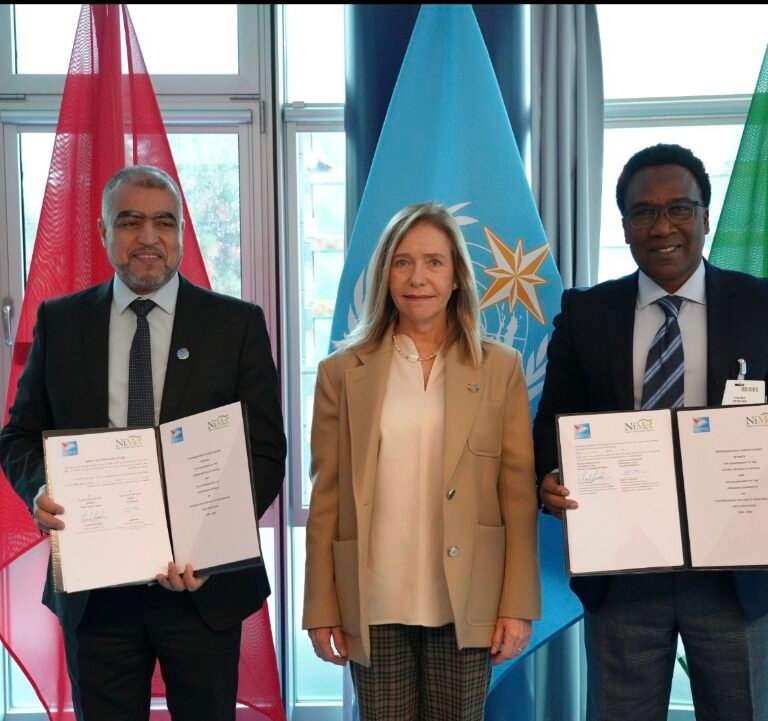
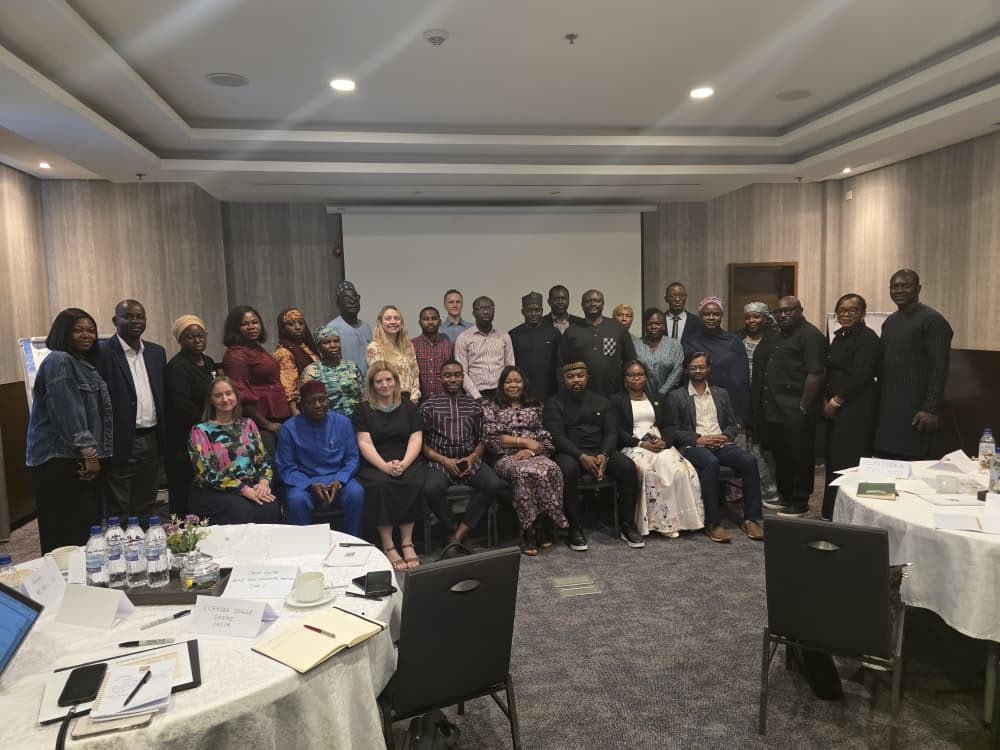
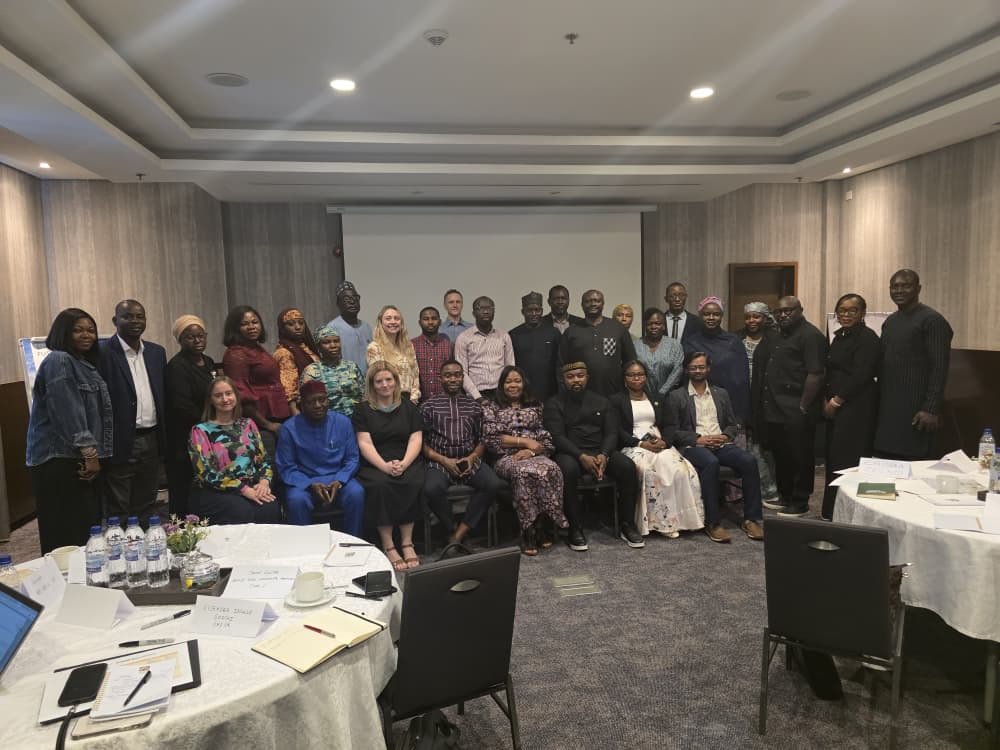
The effort took centre stage at the WISER Climate and Health Learning Lab organised by the Nigerian Meteorological Agency (NiMet) and the UK Met Office in Abuja.
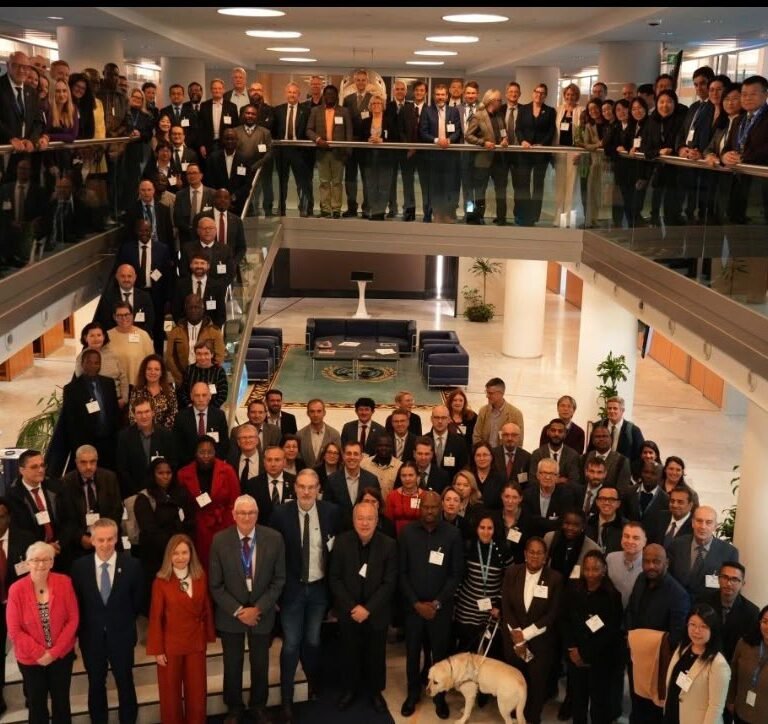
The five-day programme, holding from November 23 to 27, 2026, at the ENVOY Hotel, brought together government agencies and development partners to explore how weather and climate information can be used to protect public health.
Participants included representatives of NiMet, the Federal Ministry of Health and Social Welfare, the UK Met Office, the Foreign, Commonwealth & Development Office (FCDO) and other government institutions.
Speaking on behalf of NiMet’s Director-General and Chief Executive, Prof. Charles Anosike, the Director of Applied Meteorological Services, Mrs. Glory Onyegbule, warned that climate change is increasing health risks through rising temperatures, heat stress, unpredictable rainfall, flooding and climate-sensitive diseases.
She stressed the need for closer cooperation among agencies responsible for weather forecasting, healthcare, water resources and emergency management to ensure communities are better prepared for climate-related health threats.
Anosike said the success of the Learning Lab should go beyond discussions, urging participants to produce practical recommendations, institutional commitments and workable solutions that would support a sustainable Health Early Warning System (HEWS) for Nigeria.
He also appreciated the UK Met Office for its technical support through the WISER programme, calling on stakeholders to contribute ideas that would strengthen the country’s capacity to anticipate and manage climate-related health emergencies.
The discussions focused on how Nigeria could establish a coordinated national health early warning system, with participants examining ways to improve agency responsibilities, information sharing, coordination and the use of existing data and technology.
The programme also highlighted the importance of evidence-based recommendations and policies capable of securing long-term government support for the proposed system.
Representatives of NiMet, NEMA, NOA, NCDC, NIHSA, NBS, NCCC and the Federal Ministry of Health and Social Welfare presented their institutional responsibilities and contributions to climate, health and emergency response. NiMet’s mandate was presented by Oyegade Adeleke, DGM/CS.
Participants were also introduced to the UK Met Office’s ACTION FIRST approach, which encourages agencies to move beyond simply predicting weather conditions to taking practical steps that reduce risks and protect lives and livelihoods.
The approach follows four stages: setup, preparation, warning and review, providing a framework for translating forecasts and risk information into timely action.
An interactive session allowed stakeholders to share experiences, ask questions and discuss challenges involving climate and health, disaster management, agriculture and other related areas, with agencies providing responses based on their responsibilities.
At the end of the session, participants identified indigenous knowledge, institutional weaknesses, technical capacity, sustainable funding and improved partnerships among government agencies as critical areas requiring further attention.
The Learning Lab is expected to support stronger collaboration and practical recommendations towards building a more coordinated climate and health early warning system capable of helping Nigeria prepare for emerging health threats and protect vulnerable communities.