
By Gabriel Ameh
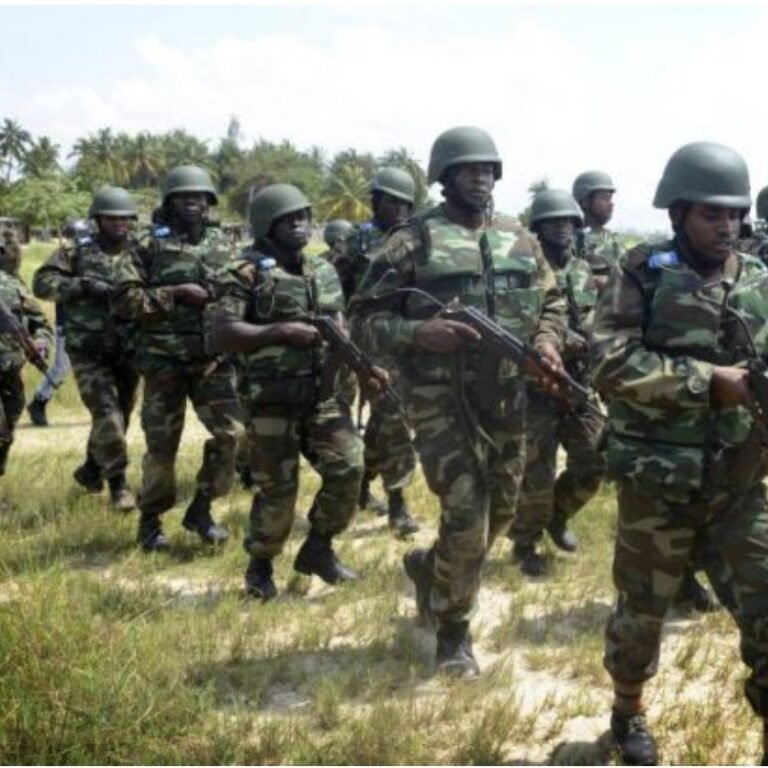
The Nigerian Armed Forces have begun plans to gradually withdraw from internal security operations across the country as the Federal Government intensifies efforts to strengthen the Nigeria Police Force (NPF).
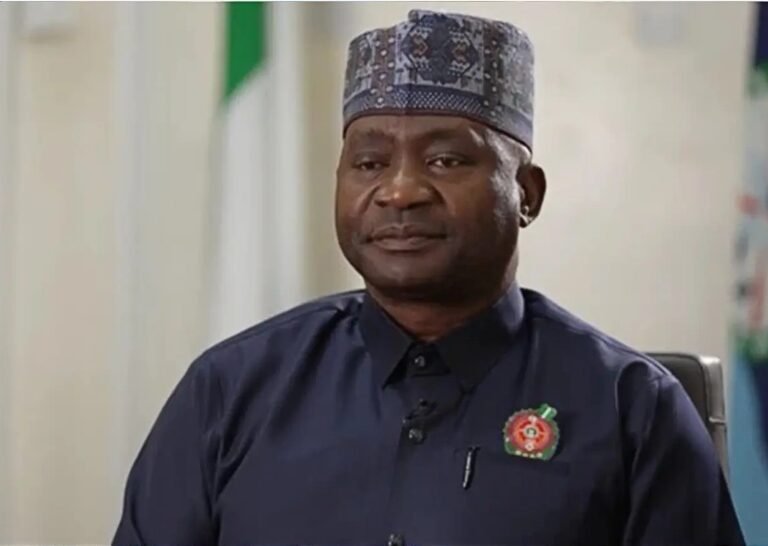
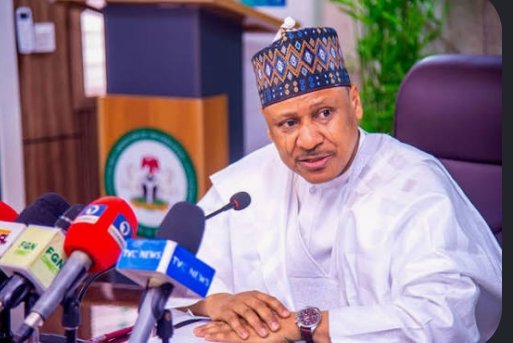
The Minister of Defence, Gen. Christopher Musa (rtd.), disclosed this at the Abuja Roundtable themed “Promise to Proof: The Renewed Hope Conversation”, organised by the APC Progressive Strategy Roundtable.
Musa said the prolonged deployment of military personnel to internal security operations had overstretched the armed forces, making it necessary to rebuild the capacity of the police to take greater responsibility for domestic security.
He explained that ongoing government investments in police recruitment, training, equipment and institutional reforms were aimed at restoring the force’s ability to tackle security challenges across the country.
The minister, however, acknowledged that soldiers were deployed to internal security operations because some threats had overwhelmed conventional law enforcement agencies.
He said improved collaboration among the military, police and other security agencies was producing operational gains, describing the current level of interagency cooperation as unprecedented.
Musa also advocated the reintroduction of tollgates on major highways, supported by modern surveillance and vehicle identification technology, to strengthen security and restrict criminals’ movements.
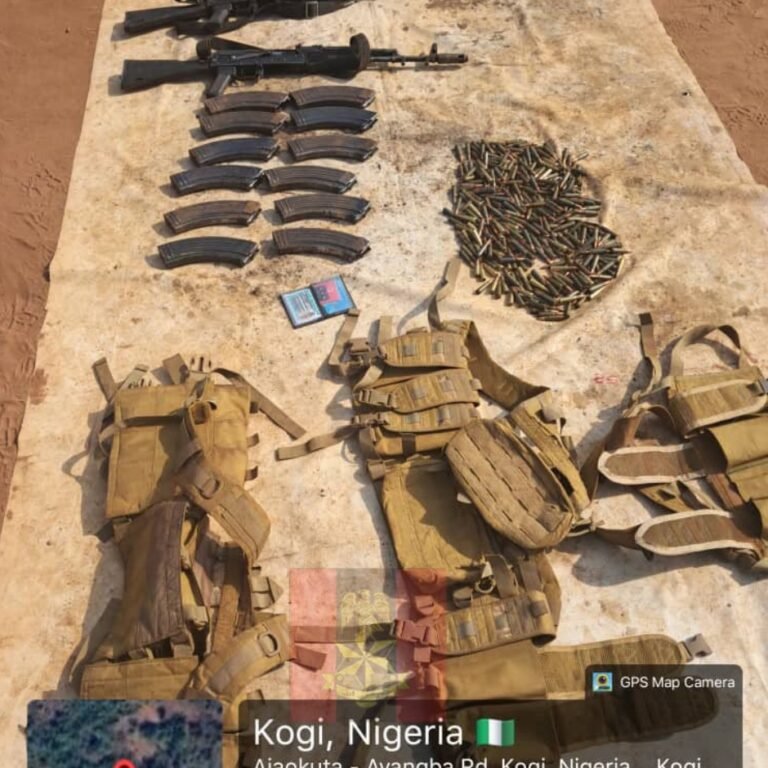
On recent military operations, the defence minister disclosed that troops had neutralised more than 300 terrorists and bandits, including over 10 commanders, within the preceding week.
He attributed the reported successes to improved intelligence gathering, coordinated operations, increased defence spending and the acquisition of modern surveillance and combat equipment.
Meanwhile, the Defence Headquarters has dismissed reports alleging that the Federal Government or the Nigerian military entered into a ceasefire agreement with Boko Haram, the Islamic State West Africa Province (ISWAP) or other terrorist groups.
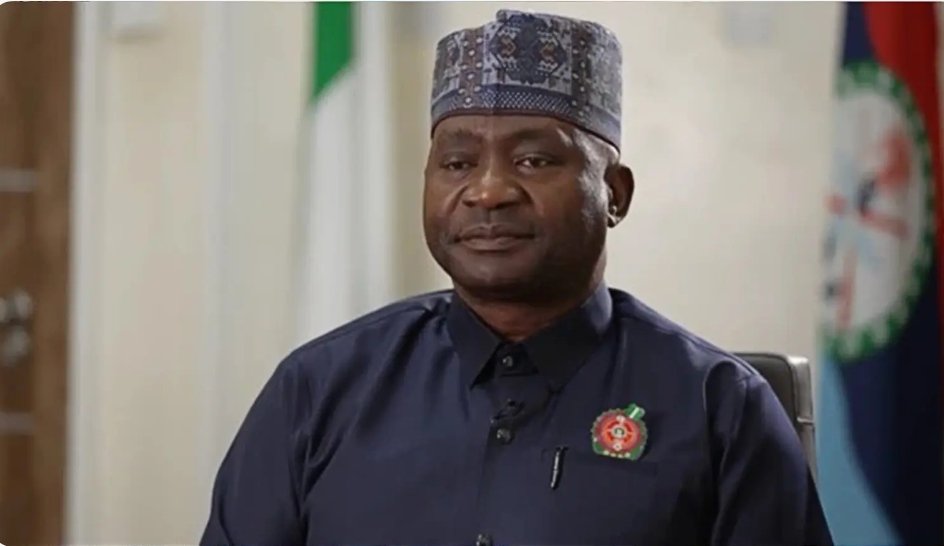
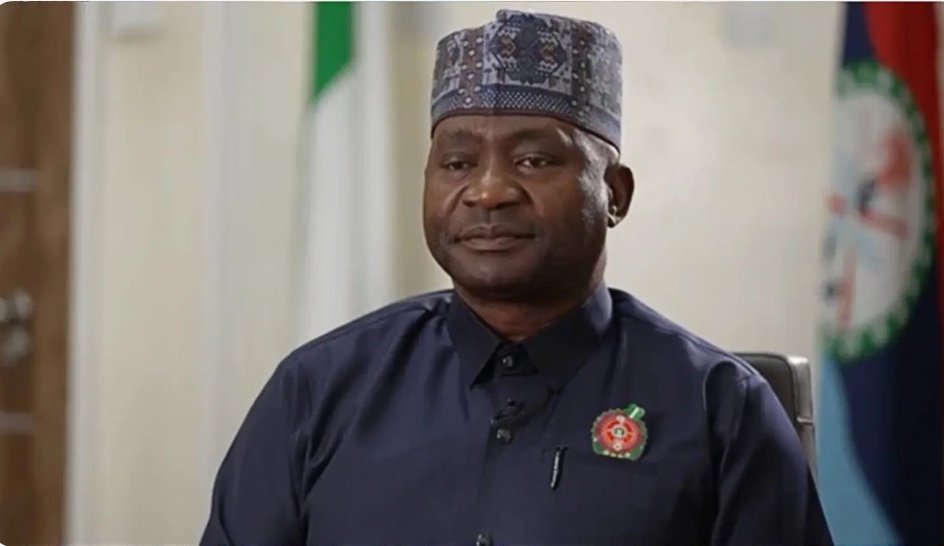
The Director of Defence Information, Maj.-Gen. Samaila Uba, maintained that sustained military offensives against terrorists, bandits, kidnappers and other criminal groups contradicted claims of any ceasefire arrangement.
The clarification followed media reports alleging that the Federal Government had reached a secret ceasefire agreement with the Boko Haram faction led by Bakura Doro, reportedly contributing to relative calm in parts of the North-East for about three months.
Uba insisted that military operations remained ongoing and that troops were not relenting in efforts to dismantle terrorist and criminal networks.
Addressing reports of terrorists and bandits moving into areas where they were previously less active, the defence spokesman described the development as an indication of the impact of ongoing military operations but stressed that the Armed Forces were not taking the situation lightly.
The proposed gradual withdrawal from internal security duties signals a possible shift towards allowing the police to take greater responsibility for domestic law enforcement, while the military concentrates more on its primary defence responsibilities.