
By Emeka Uga Lazarus | Abuja
October 29, 2026
The Federal Government has called for a stronger focus on preventive healthcare, urging health institutions and stakeholders to move beyond awareness campaigns and deliver measurable improvements in the health of Nigerians.
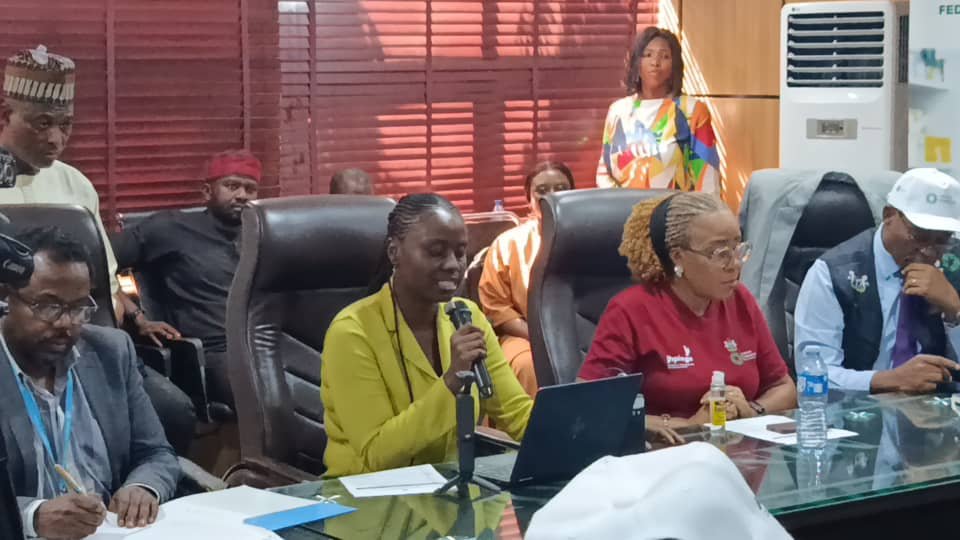
The Coordinating Minister of Health and Social Welfare, Professor Muhammad Ali Pate, made the call on Thursday during the commemoration of the 2026 National Health Promotion Day in Abuja.
The event, organised around the theme, “Health Promotion: Owning My Health” and slogan, “Take Charge, Live Well,” highlighted the importance of prevention, early diagnosis and responsible health-seeking behaviour.
Represented by the Ministry’s Permanent Secretary, Daju Kachollom, Pate described health promotion as a strategic investment in Nigeria’s healthcare system and a critical pathway towards achieving Universal Health Coverage.
Citing World Health Organisation (WHO) estimates, the minister disclosed that Nigeria’s healthy life expectancy at birth stood at 54.1 years in 2023.
He also noted that under-five mortality declined from 132 deaths per 1,000 live births in 2018 to 110 in 2024, while neonatal mortality increased from 39 to 41 deaths per 1,000 live births within the same period.
According to him, the figures demonstrate progress in some areas but also expose persistent gaps requiring urgent attention.

Pate explained that health promotion remained a major component of the Nigeria Health Sector Renewal Investment Initiative, which prioritises maternal and child health, primary healthcare, immunisation, non-communicable diseases, HIV, tuberculosis and malaria.
He identified hypertension detection, hepatitis elimination, cervical cancer screening, improved nutrition and immunisation as some of the interventions requiring sustained public participation.
The minister stressed that the success of health promotion programmes should not be measured by the number of campaigns conducted but by the actual improvements they bring to people’s lives.
He said government agencies and health institutions must pay attention to the number of people reached, health risks identified, referrals completed, patients who receive treatment and illnesses prevented.
STRENGTHENING COMMUNITY PARTICIPATION
Pate called for stronger partnerships among government institutions, healthcare professionals, traditional and religious leaders, schools, the media and private organisations to promote healthier lifestyles and tackle the spread of health misinformation.
He also encouraged Nigerians to seek reliable health information, participate in recommended screening and immunisation programmes, and visit healthcare facilities promptly when necessary.
Meanwhile, the Director of the Health Promotion Department, John Uruakpa, disclosed that more than 20 million Nigerians had been reached through health promotion messages delivered via radio, social media and community outreach programmes.
Uruakpa described Nigeria’s institutionalisation of National Health Promotion Day as a significant milestone, noting that the country became the first globally to establish an official annual observance dedicated to health promotion following approval by the National Council on Health.
The inaugural commemoration took place on October 29, 2024.
He further disclosed that the ministry had strengthened partnerships, trained health educators and community mobilisers, introduced the Healthier Schools, Healthy Communities initiative and developed a draft national monitoring and evaluation framework to measure progress.
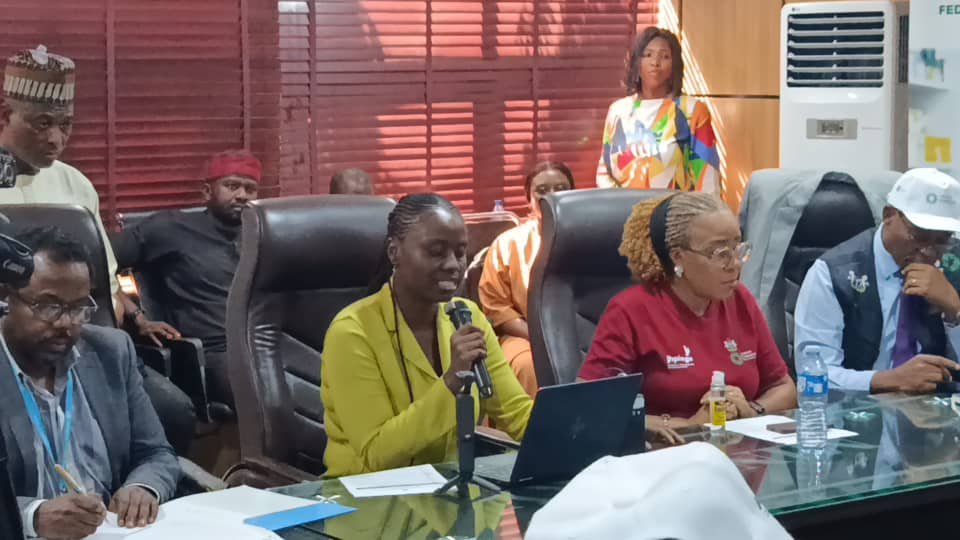
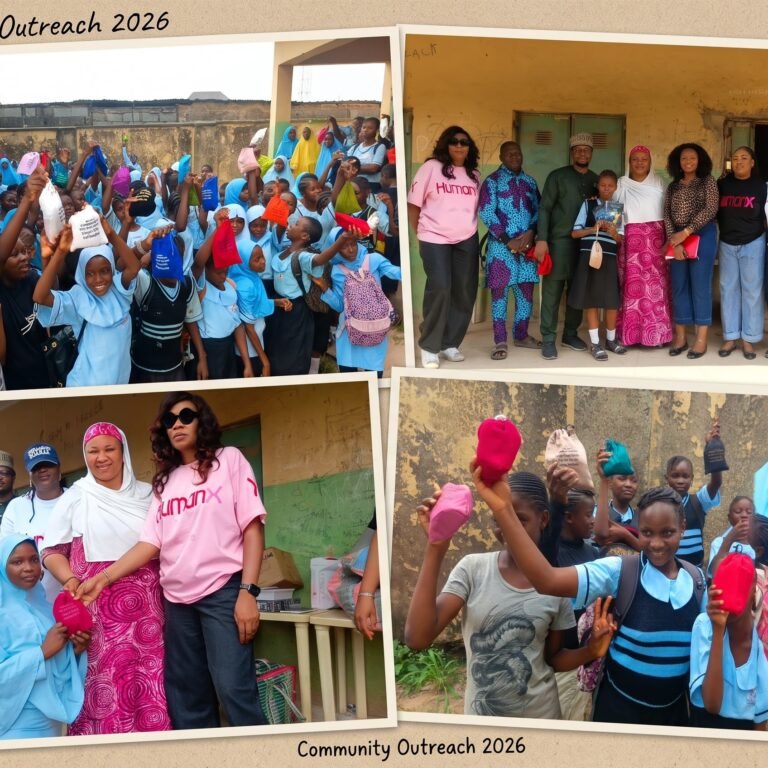
Uruakpa urged stakeholders to take health promotion beyond government offices and major cities by extending activities to communities, schools and primary healthcare centres.
He emphasised that improving public health was a collective responsibility that required active participation beyond the health sector.
WHO, PARTNERS REAFFIRM SUPPORT
The World Health Organisation (WHO) commended Nigeria for institutionalising the annual observance, describing the initiative as evidence of national commitment and leadership in preventive healthcare.
Representing the organisation, Dr Eshetu reaffirmed WHO’s support for the Federal Ministry of Health and Social Welfare, stressing that health promotion must translate into practical interventions capable of saving lives.
Eshetu noted that access to health information alone was insufficient unless individuals and communities could translate that knowledge into life-saving actions.
The organisation pledged continued technical support to ensure that health promotion remained a national priority.
Other development partners at the event included UNFPA, JHPIEGO, SFH, UNICEF, NI, CCSI, MSI, PPFN, ARFH, CARES INT, AAFP, PCDF, ISMPH and AHBN.
The organisations reaffirmed their commitment to supporting Nigeria’s efforts to strengthen preventive healthcare and improve health outcomes.
The commemoration also featured a fitness and wellness walk, alongside a technical session scheduled for October 30.
Post-event activities are expected to include community sensitisation campaigns, health outreaches, school-based health promotion programmes and expert-led webinars on preventive care and healthy living.
WHY NATIONAL HEALTH PROMOTION DAY MATTERS
Nigeria observes National Health Promotion Day annually on October 29, following its approval by the National Council on Health.
The first edition was held in 2024, with the objective of shifting public attention from treating illnesses after they occur to preventing diseases through early screening, health education and healthier lifestyle choices.
The initiative places particular emphasis on preventing non-communicable diseases, including hypertension and diabetes, while encouraging Nigerians to take greater responsibility for their health.
As the country continues to address challenges in its healthcare system, stakeholders say stronger preventive healthcare programmes, community participation and access to credible health information will be essential to improving the quality of life of Nigerians.